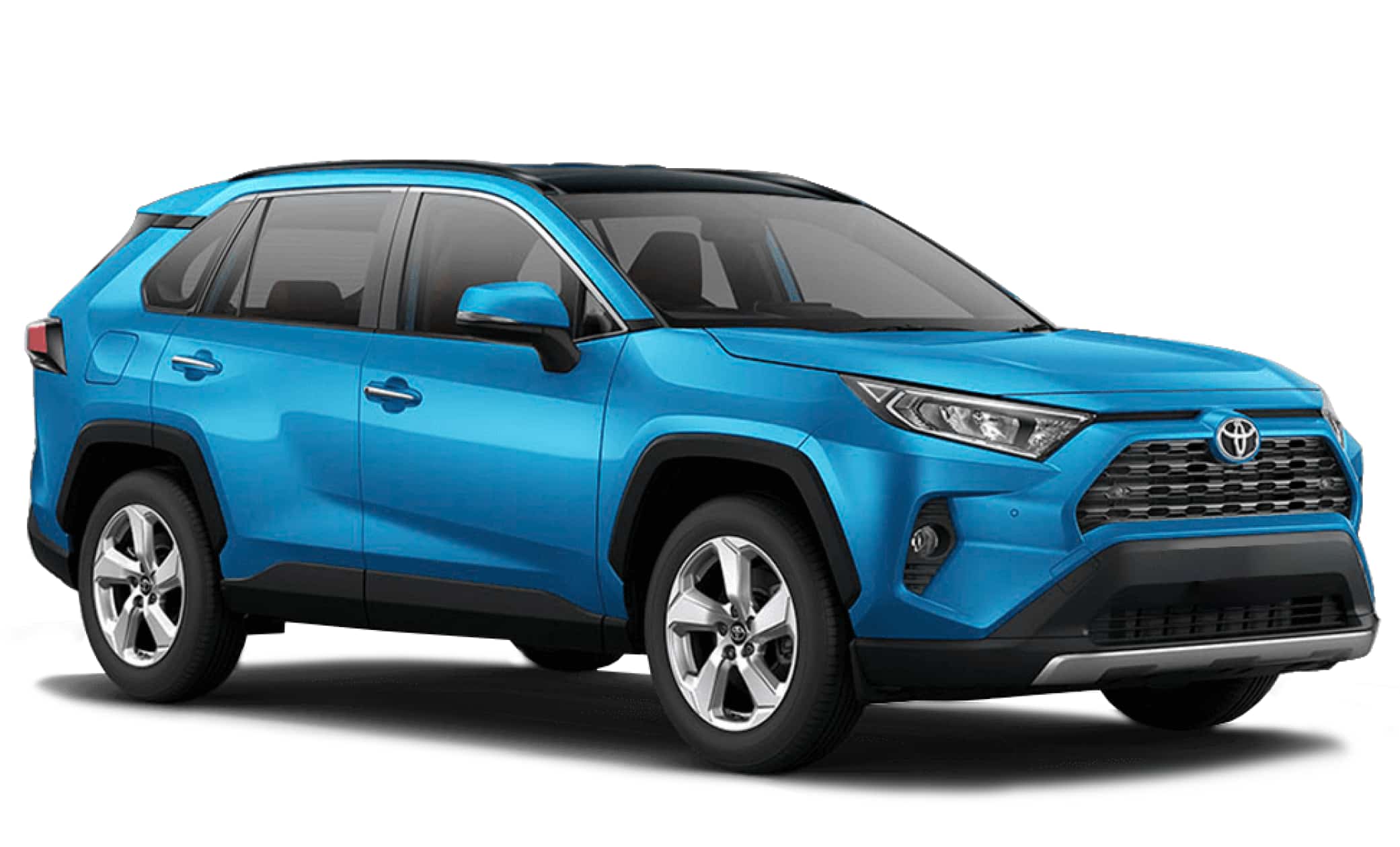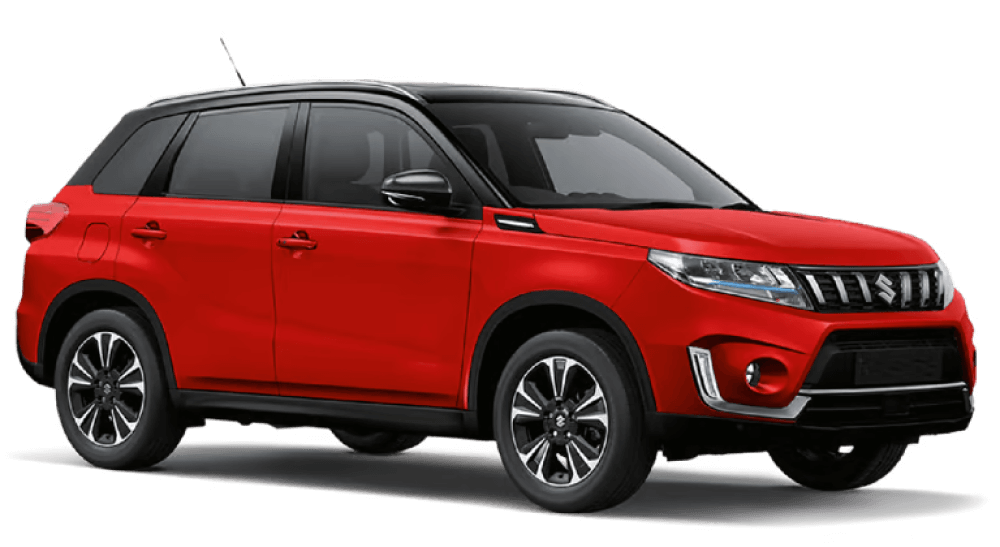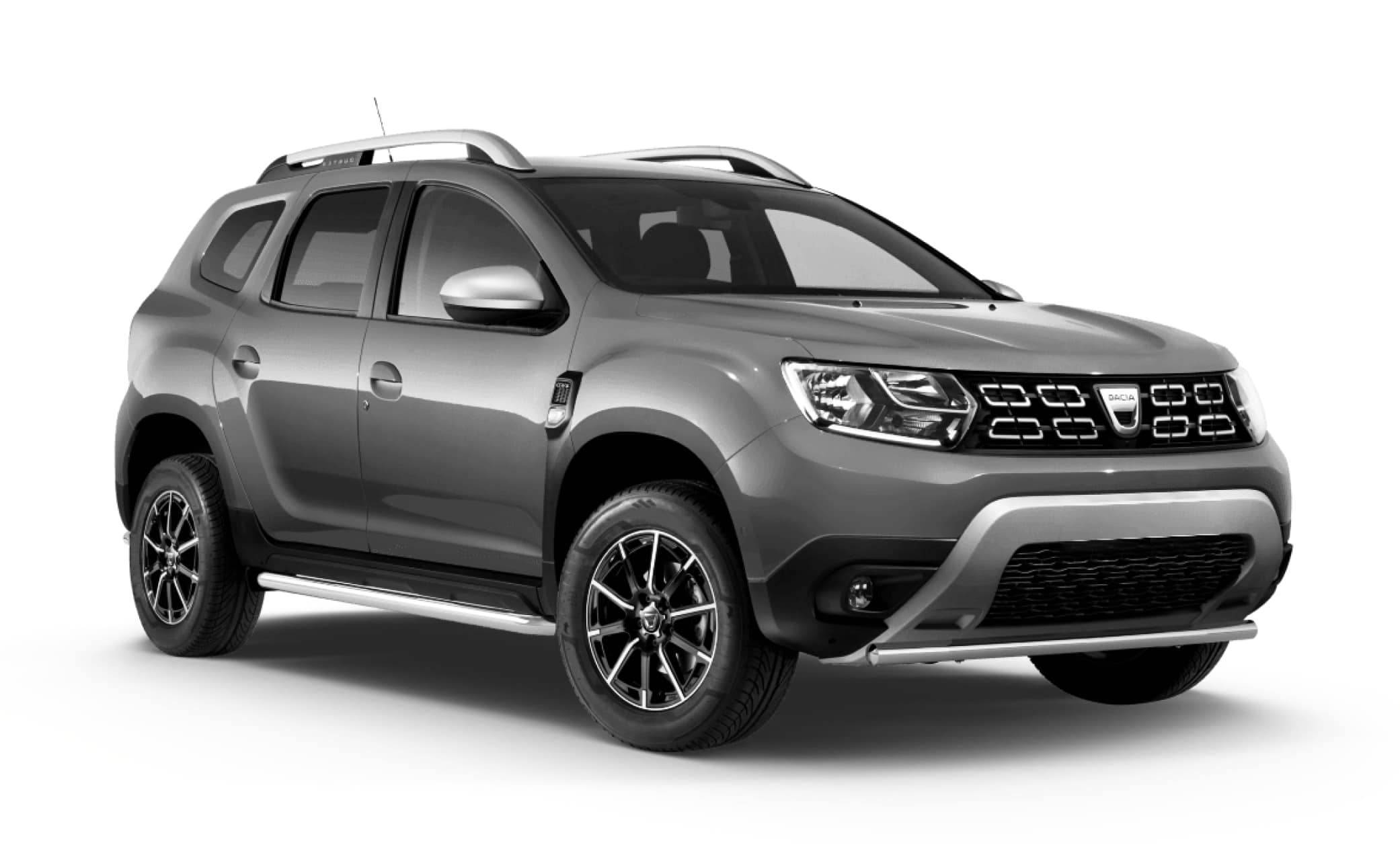






One of the most common questions is, “Do you need a 4x4 in Iceland?” It depends on where you’re going, when you’re visiting, and your risk tolerance.
If you’re driving the Ring Road in June, July, or August, an economy 2WD is usually fine. However, if you’re heading to Landmannalaugar, you’ll need a true 4x4 SUV with high clearance. Visiting in winter? A 4x4 is recommended for better traction with snow, ice, and windy conditions.
Choose your trip type below to find the right car category for your needs.
The Quick Answer: Which Car You Need by Season & Road Type
If you’re looking for a simple answer to whether you need a 4x4 in Iceland, you can look at the season and where you’re going to choose your vehicle.
|
Season |
Paved Roads (Ring Road, Main Roads) |
Gravel Roads (Secondary Roads) |
F-Roads (Highlands) |
|
Summer (June-August) |
2WD is fine |
2WD is okay, but a 4x4 offers more comfort |
4x4 is required |
|
Shoulder Season (May, September-October) |
2WD is fine, but a 4x4 may be better based on weather |
4x4 is recommended due to mud, early snow, and wind |
4x4 is required, but roads may be closed, especially in May or October |
|
Winter (November-April) |
4x4 is strongly recommended for snow, ice, and wind |
4x4 is essential due to less maintenance and slippery conditions |
F-roads are closed |
What “4x4” Means in Iceland (4WD vs AWD vs 2WD)
Some people use the term “4x4” as a universal phrase, but there are some key differences, especially between a 4x4 and an AWD vehicle. Here’s what you should know about each option before you choose a vehicle to rent.
- 2WD: As the name implies, a 2WD vehicle only delivers power to the front or rear axle. This type of vehicle works well on paved roads and on gravel roads with care. However, a 2WD can more easily lose traction in slippery conditions like snow, ice, and loose gravel.
- AWD: All-wheel drive automatically sends power to all four wheels as needed. This type of vehicle improves tire grip on wet, icy, or snowy roads, making it a great choice for winter or gravel driving. However, these vehicles tend to have low ground clearance.
- 4x4: A 4x4 vehicle is built for rough conditions with higher clearance, better suspension, and low-range gears. These vehicles send power to all four wheels as needed and are required for F-roads due to the deep ruts, large rocks, and unbridged river crossings.
In general, AWD helps with traction, and a 4x4 handles rough terrain. If you intend to drive in the Highlands, you must look for a vehicle labeled as a 4x4.
The 3 Factors That Decide Everything
Your choice of vehicle will be guided by three major factors: the season, the types of roads, and your risk tolerance. Let’s look a little deeper at each one to help you figure out whether you should rent a 4x4 for your trip.
1) Time of Year (Month-By-Month Road Reality)
First, let’s look at the time of year you intend to visit. If you’re asking, “Do I need a 4x4 in Iceland?”, start with your travel dates. While there’s no guarantee what the weather will bring, the month you visit can help you think ahead.
The road conditions in Iceland can change dramatically by month. June through August tend to be the most stable weather months with clear roads and few road closures. Renting a 2WD during this season is perfectly acceptable, unless you plan to drive the F-roads where a 4x4 is required.
Visiting in the shoulder seasons, which include May, September, and October, means a higher chance of unstable weather and potentially poor road conditions. Sudden weather shifts, early snow in the fall, and muddy road conditions in spring can make a 4x4 well worth it, but a 2WD can be suitable if you intend to stick to main routes.
Traveling to Iceland in the winter requires careful preparation to deal with slippery roads, snow, ice, and windy conditions that can significantly impact your travel plans. We strongly recommend renting a 4x4 between November and April to give you more stability and traction at a time when even paved roads can be challenging.
2) Your Itinerary (Paved Highlights vs. Remote Regions)
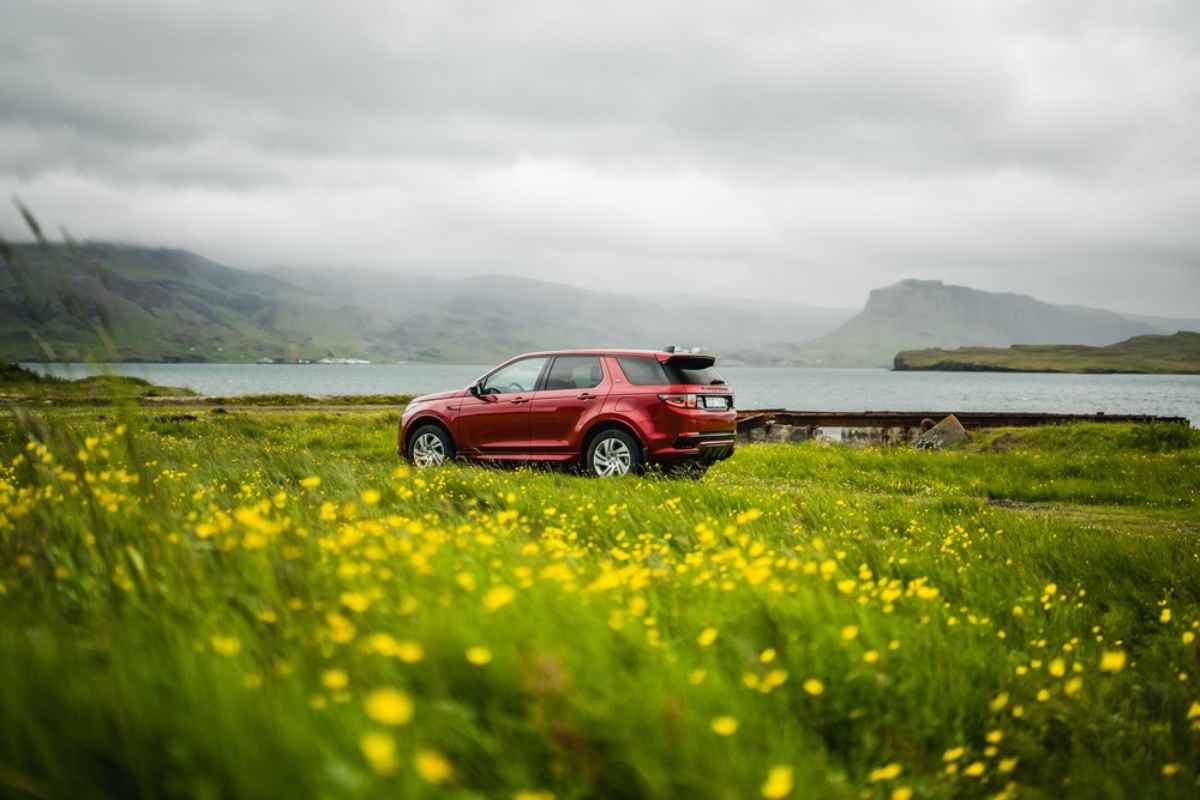
Where you go can also dictate whether you need a 4x4 in Iceland. We recommend plotting your route before you rent a vehicle to ensure you choose the best one to see the things you’re most looking forward to. If your primary goal is to see the main sights along the Ring Road, a 2WD may be all you need. However, if you want to explore Iceland deeper, taking detours and driving into the Highlands, a 4x4 is ideal. If you want to drive the F-roads, a 4x4 is a requirement, not an option.
3) Your Risk Tolerance (Winter Driving Experience, Passengers, Pace)
Finally, you should think about your risk tolerance. For instance, if you’re used to driving in winter weather conditions and have a light itinerary, a 2WD may be suitable. However, if you’re traveling with four passengers and luggage, skip the compact 2WD and go with a larger SUV. No winter driving experience? Don’t risk it with a 2WD. Have limited time or a tight itinerary? A 4x4 reduces delays.
If you’re still unsure, a small 4x4 is generally the safest all-around choice. It handles Iceland’s changing weather and gravel roads well and gives you flexibility without being oversized.
When a 2WD Is Enough in Iceland
You don’t always have to rent a 4x4 in Iceland. There are some situations when you can save money by renting a 2WD instead.
Ring Road and Main Tourist Routes in Summer
The Ring Road and other main routes in Iceland are generally paved and in good condition in the summer. If you’ll be sticking to these routes between June and August, a 2WD is sufficient. While you may still encounter wind and wet conditions, traction won’t be much of an issue. This situation is one of the only times you are guaranteed not to need a 4x4.
City Breaks, Golden Circle, and South Coast Essentials
Shorter trips, such as staying in Reykjavík, driving the Golden Circle, or tackling the South Coast, make sense with a 2WD, as long as the weather and road conditions are good, such as in summer. You can easily reach popular stops like Þingvellir, Gullfoss, Seljalandsfoss, and Vík via paved roads. Even if parking lots or access roads are gravel, they are easily accessible with a smaller vehicle.
What a 2WD Still Needs
If you choose a 2WD, it doesn’t mean you should ignore conditions. First and foremost, check the tires when you pick up your vehicle to make sure they have good tread. Always check the weather and road conditions through official sources. You will need to adjust your driving for wet roads, gravel, and wind.
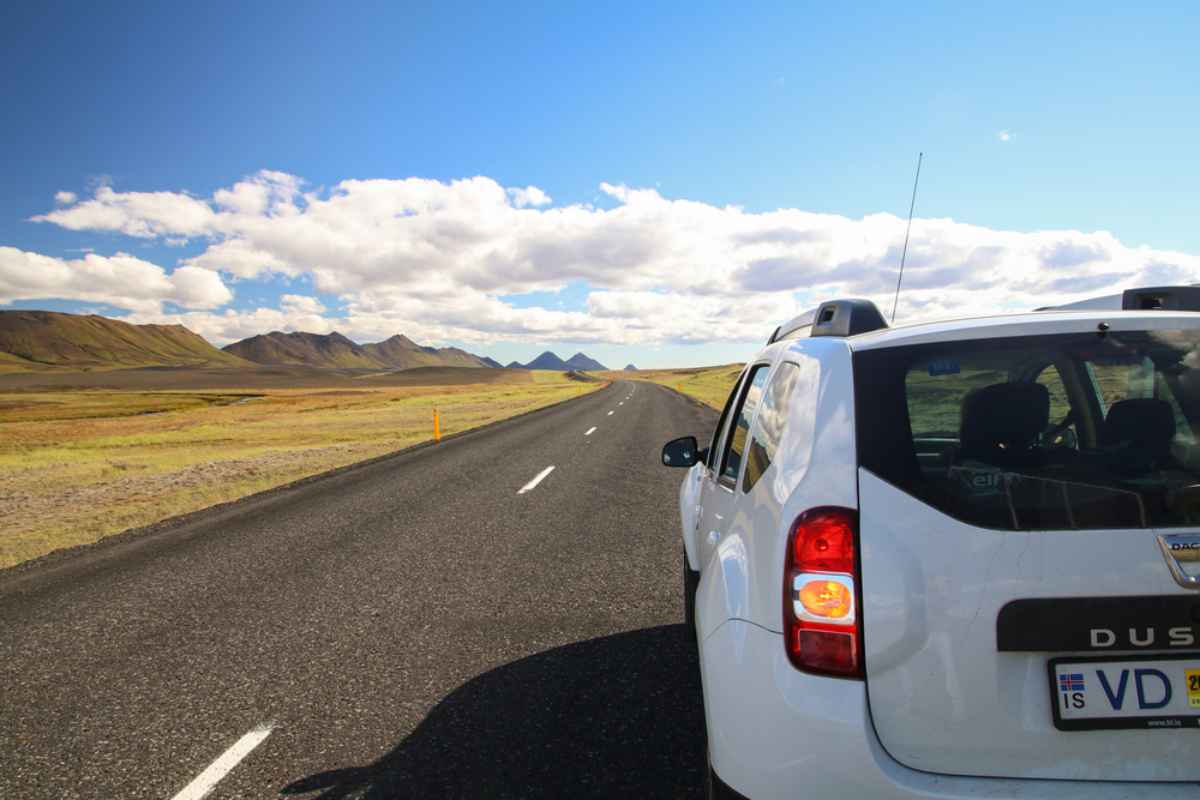
Even if you visit in the summer, Iceland’s roads demand your attention. Maintain safe speeds, keep both hands on the wheel during windy conditions, especially gusts, and don’t assume that every road is safe.
When You Actually Need a 4x4 in Iceland
There are certain situations when the answer to “Do I need a 4x4 in Iceland?” is a resounding yes. Knowing when to rent one will save you a lot of trouble and ensure you get to see the things you want to see.
F-roads and the Highlands (The Non-Negotiable Rule)
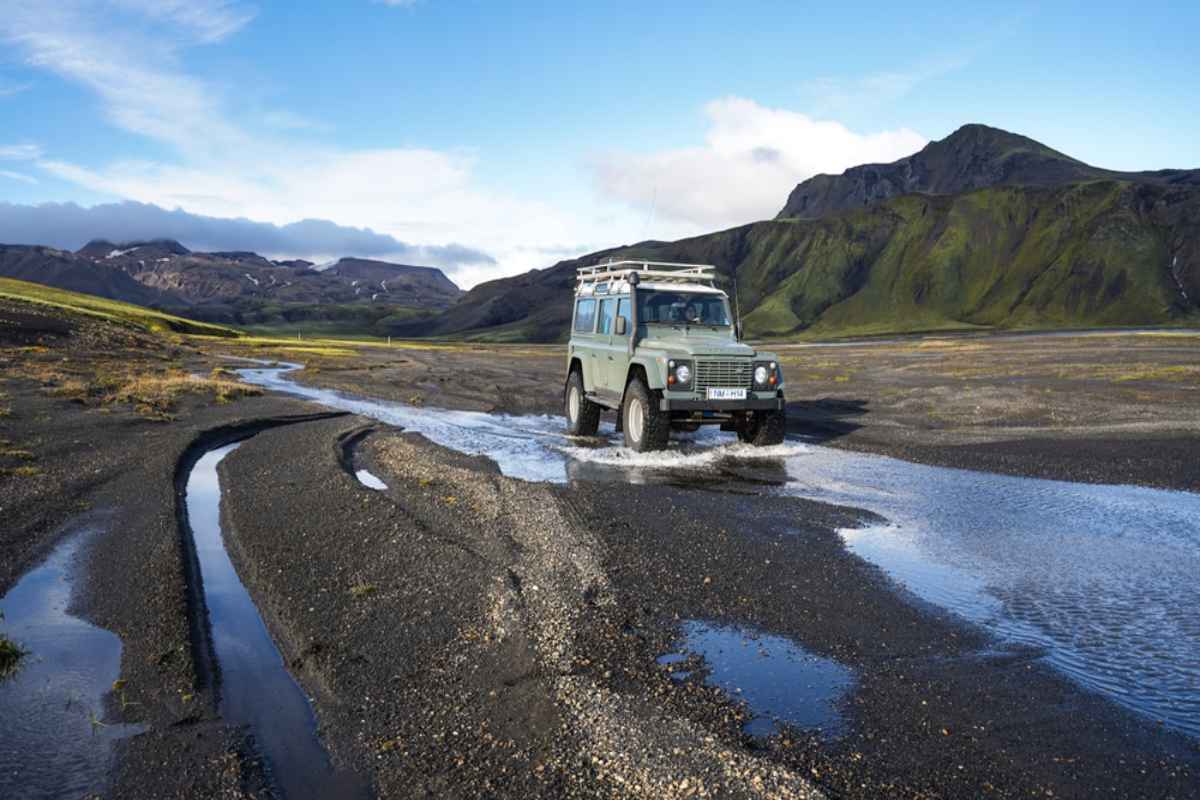
One of the highlights of summer trips is the F-roads into the Highlands, including Landmannalaugar. However, they aren’t for the inexperienced or those who aren’t confident drivers. If you do plan to drive these routes, you absolutely need to rent an F-road-approved 4x4.
F-roads are unpaved and not maintained, which means potholes, washboarding, and unbridged rivers. You’ll need plenty of ground clearance, better traction, and sometimes low gears. Plus, Icelandic law requires a 4x4 to enter the Highlands.
Westfjords and Rough Gravel (When Clearance Matters)
If your itinerary includes the Westfjords or other areas of Iceland where roads are unlikely to be paved, a 4x4 is strongly recommended. While these roads aren’t classified as F-roads, they can still be quite steep and narrow with potholes, larger rocks, and loose surfaces. Roads often wind along cliffsides and mountains with no guardrails. A 4x4 gives you stability, ground clearance, and more comfort on these roads.
Winter and Shoulder Season Driving
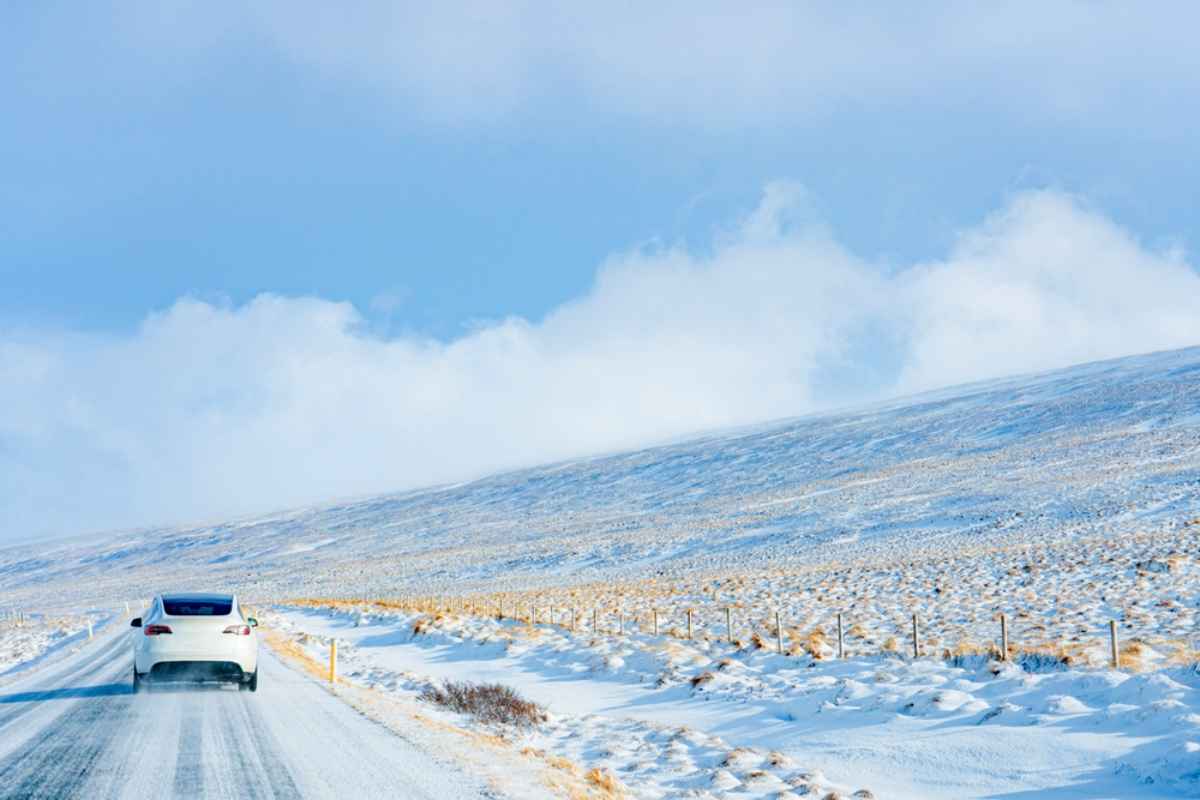
The weather in winter and the shoulder seasons in Iceland is no joke. From November through April, you can expect winter weather conditions, which could bleed into May or October as well. Snow-covered roads, black ice, and high winds are common. With a 4x4, you’ll have better control and traction, which is vital in whiteouts and sudden weather changes, reducing risks and stress.
F-Road Rules You Must Know Before You Book
Planning to visit the Highlands? Choose a true 4x4 SUV with F-road approval from our fleet. But, before you drive on F-roads, you must be aware of the specific rules that apply to these roads. Knowing these rules will ensure you book the proper vehicle and can feel safe and confident during your journey.
Legal/Road Signage Basics (What “F” Really Implies)
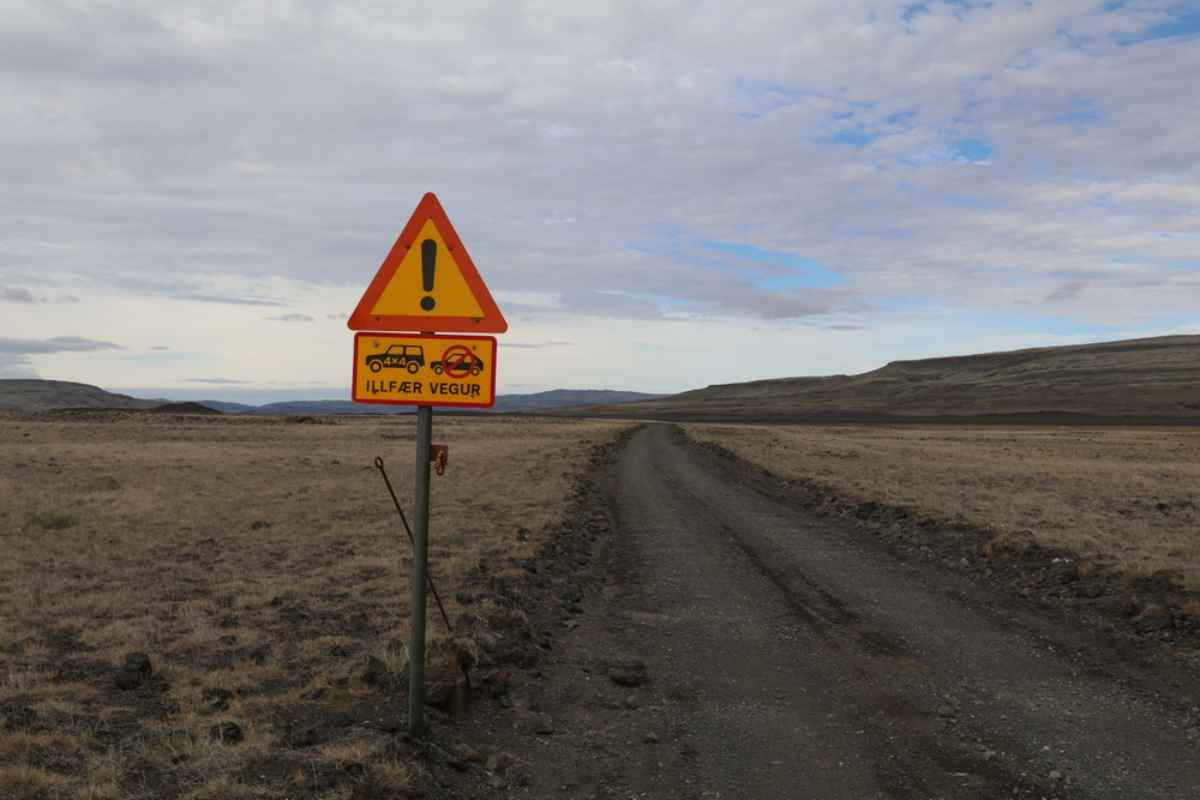
F-roads are distinguished from regular roads by the “F” before the road number (i.e. F208). The “F” stands for “fjall,” which means mountain in Icelandic. These roads are only open in the summer between June and September, depending on conditions each year, and require a 4x4. You can expect loose gravel, deep ruts, steep grades, and unbridged river crossings. If you see a sign that says “F-road” or has a 4x4 symbol, you are not allowed to proceed with a 2WD.
Rental Restrictions and What Can Void Insurance
At Cars Iceland, we let you know which 4x4s in our fleet are allowed on F-roads in the Frequently Asked Questions for each model. Be sure to ask us which F-roads are forbidden for the vehicle you rent, as not all 4x4s are approved for all F-roads. Driving a prohibited road, ignoring road closures, or using a 2WD vehicle on an F-road immediately voids your insurance. Damage from water crossings and undercarriage damage is not covered in most cases.
River Crossings: When “4x4” Still Isn’t Enough
A 4x4 doesn’t guarantee safe passage across river crossings. The rivers in the Highlands can often change in depth and current due to rainfall and glacier melt. Experienced drivers know when to turn back if conditions are too risky. If you aren’t familiar with how to assess a river or don’t feel confident, it’s best to avoid these crossings. Towing from the Highlands can be extremely expensive, and crossing a river incorrectly is dangerous and potentially life-threatening.
Real Route Examples: Pick Your Trip, Pick Your Car
Let’s explore a few real route examples our customers often choose for their journeys.
3–5 Day Reykjavík Base Trip
If you’re basing yourself in Reykjavík, you will likely only need a 2WD vehicle, especially in the summer. Most of the roads you take will be paved with some minor gravel detours. Here’s what we suggest for your itinerary:
Day 1 - Golden Circle
- Reykjavík to Þingvellir to Geysir to Gullfoss
- Detour to Brúarfoss
- Kerið crater
- Return to Reykjavík
Day 2 - South Coast to Vík
- Seljalandsfoss and Skógafoss
- Dyrhólaey
- Reynisfjara black sand beach
- Overnight in Vík or back to Reykjavík
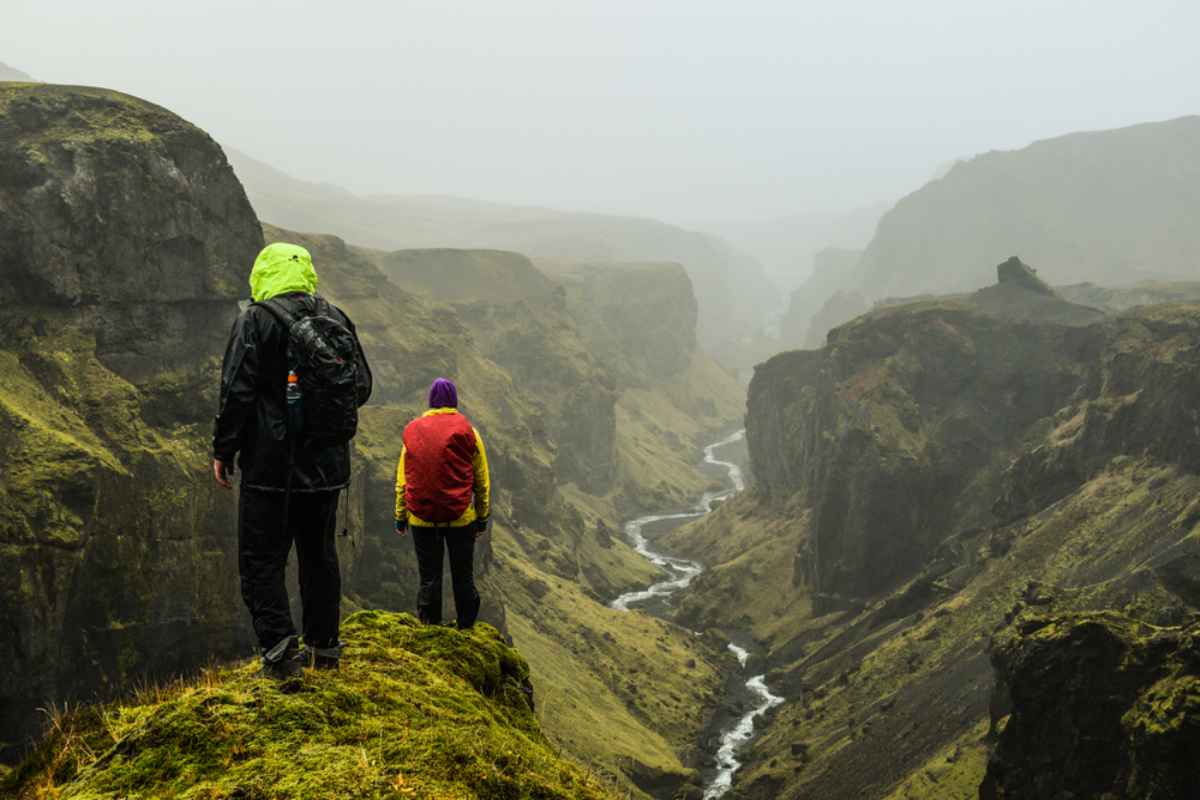
Day 3 - Þórsmörk (Requires a 4x4)
- Drive to Þórsmörk (There are river crossings here. Avoid the last one, even with a 4x4)
- Consider a Super Jeep tour if you don’t have a 4x4 or are unsure
- Hike with glacier views
- Return to Reykjavík
Day 4 - Reykjanes Peninsula
- Seltún Geothermal Area
- Kleifarvatn Lake
- Fagradalsfjall Volcano
- Brimketill Lava Rock Pool
- Gunnuhver Hot Springs
- Bridge Between the Continents
- Blue Lagoon
Day 5 - Explore Reykjavík
- Enjoy the city’s museums, shows, restaurants, and other attractions
7–10 Day Ring Road Trip
If you have a bit more time to explore Iceland, we recommend completing the Ring Road. A 2WD is sufficient in the summer, but we suggest considering a 4x4 for comfort and flexibility to add detours. In winter, a 4x4 is best for this trip.
Day 1-2 - South Coast to Jökulsárlón
- Popular waterfalls and the black sand beach
- Hiking in Skaftafell
- Jökulsárlón glacier lagoon and Diamond Beach
Day 3 - Eastfjords
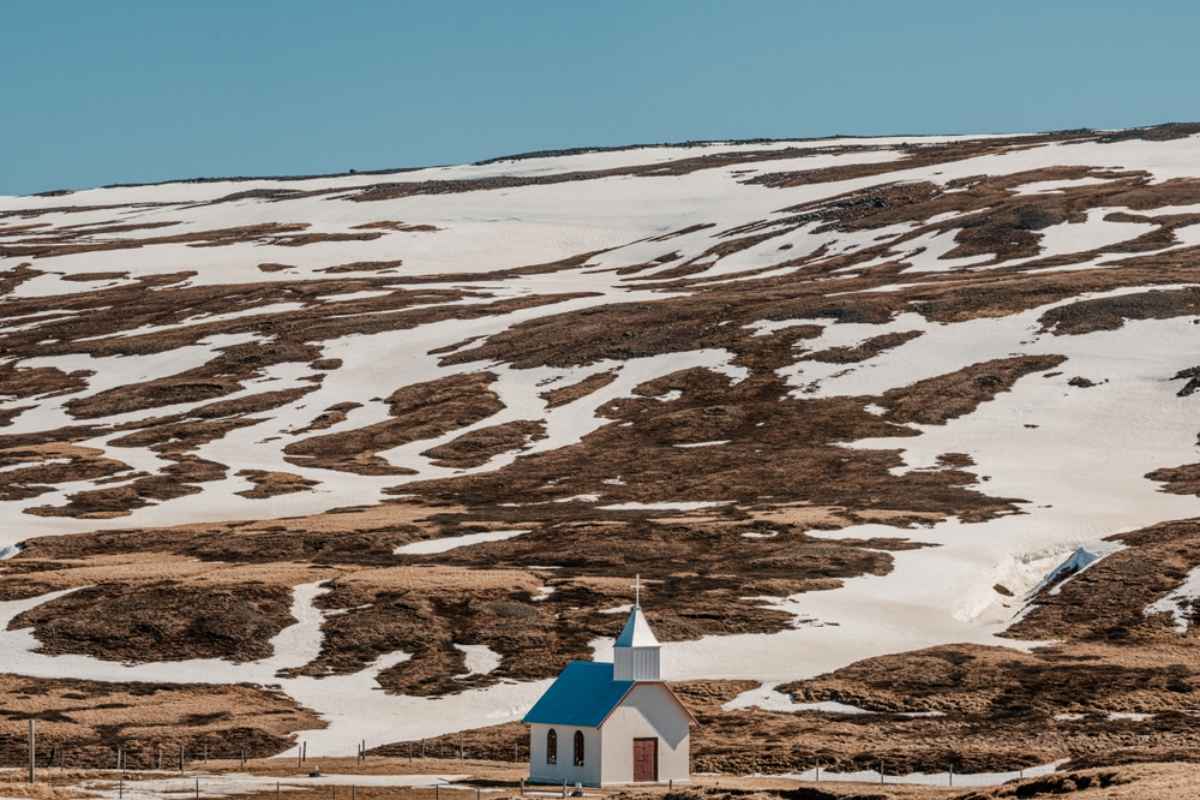
- Scenic coastal driving with some gravel sections
- Small fishing villages
- Wildlife spotting, primarily reindeer
Day 4-5 - North Iceland
- Dettifoss (4x4 is recommended for the east side access)
- Mývatn geothermal area
- Húsavík for whale watching
Day 6 - Akureyri to Skagafjörður
- Eyjafjörður coastline
- Siglufjörður
- Hofsós
- Skagafjörður horse farms
Day 7-8 - West Iceland and Snæfellsnes
- Kolugljúfur Canyon
- Kirkjufell & Kirkjufellsfos
- Búðir Black Church
- Hraunfossar & Barnafoss
Day 9 -10 - Return to Reykjavík
- Spend time enjoying the city
- Give yourself buffer days in case of weather delays or extra stops
Snæfellsnes, Eastfjords, and North Iceland Add-Ons
The beauty of Iceland is all the extra places you can stop if you have time to expand your itinerary. Here are some of our suggestions for expanding on the above itineraries if you rent a 4x4:
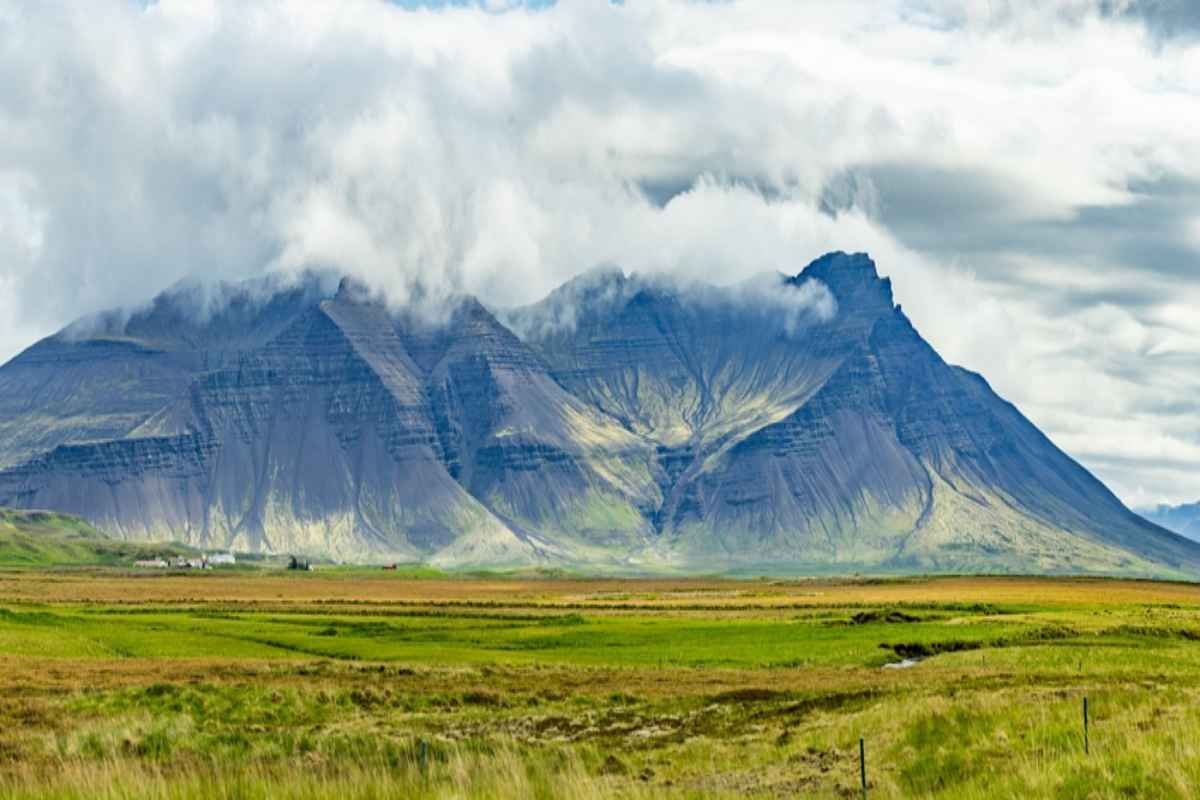
Snæfellsnes (2–3 Days)
- Drive the full peninsula loop
- Access less-visited viewpoints on rough coastal roads
- Drive through Snæfellsjökull National Park in summer
Eastfjords (2–3 Days)
- Explore beyond the main roads into the fjords
- Visit remote villages only accessible by gravel roads
North Iceland (2-3 Days)
- Spend a day exploring the Mývatn
- Explore the Arctic Coast Way
- Find remote geothermal areas
Highlands Highlights
Renting a 4x4 is your key to exploring the more remote Highlands, where you’ll see landscapes that make you feel like you’re on another planet.
Landmannalaugar
- Accessible via F208 and F225
- Multiple river crossings
- Colorful rhyolite mountains and hot springs with numerous hiking trails
Askja & the Central Highlands
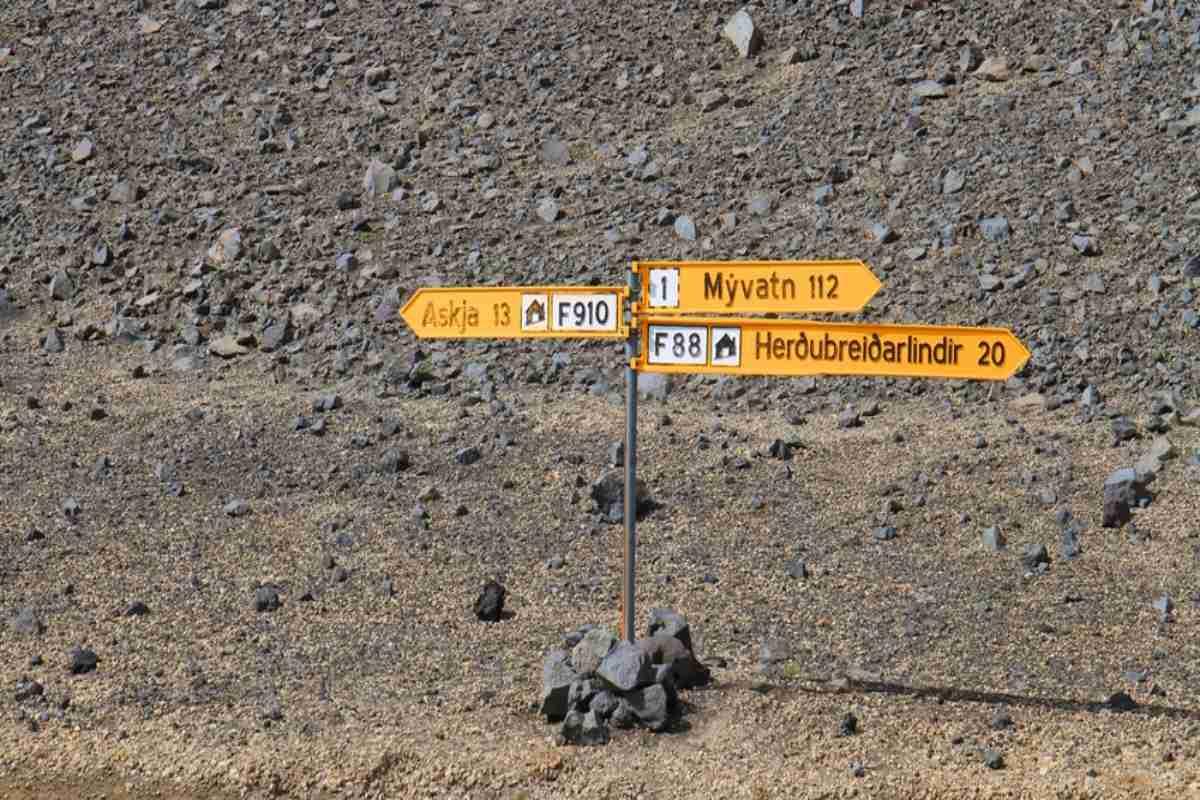
- Accessible via F88 or F905 and F910
- Several river crossings, some deep
- Visit Viti crater and Askja caldera
- A long, remote route, so carry enough fuel and supplies
Kjölur Route (F35)
- A beginner-friendly F-road (still requires a 4x4)
- No river crossings
- Stops at Hveravellir and Kerlingarfjöll
Cost Reality: 2WD vs 4x4 (Rental Price + Fuel + Risk)
Budget is another important consideration when choosing your vehicle. Comparing the reality of costs for a 2WD vs. a 4x4 is a big part of the process. Let’s take a closer look at rental prices, fuel costs, and risks.
Typical Price Differences (and What You Get for It)
The fact is, a 2WD will always be the cheapest option. A 4x4 will cost between 30 and 80% more per day, depending on the vehicle size and the season. However, you aren’t just paying for capability with a 4x4; you’re also paying for higher ground clearance, better traction, and access to more remote locations. You’ll also get peace of mind in rough conditions, including wind, ice, and snow.
Fuel Consumption and Driving Pace Trade-Offs
Fuel is another significant part of the cost of renting. It’s not a surprise that a 4x4 will use more fuel, about 20-40% more, than smaller 2WD cars. You will also need to drive slower on gravel roads, which means more time on the road. While you can expect to pay more for fuel, you get less stress and fewer limitations with a 4x4.
The Hidden Cost: One Mistake on a Prohibited Road
There are real consequences for driving on a prohibited road. Using a 2WD on an F-road, ignoring road closures, and attempting a river crossing without the proper vehicle can all void your insurance. If your vehicle gets undercarriage or water damage, repairs can cost thousands of dollars. Towing is also extremely expensive in remote areas.
While a 4x4 may cost more upfront, it’s well worth it to avoid the high costs of using the wrong vehicle. Compare 2WD vs. 4x4 options to find the best fit for your route and budget.
Insurance and Damage: What Matters More Than Drivetrain
No matter which type of vehicle you choose for your journey, insurance is one of the most critical elements. Too often, we see people return vehicles with damage that would have been covered if they had taken full insurance. Instead, they must pay for the repairs out-of-pocket before flying home.
Gravel, Sand/Ash, Wind, Undercarriage, and Water Damage
Driving in Iceland puts you at risk for damage that you may not experience in other places. Gravel roads can chip paint or crack windshields. Wind can be so strong that it damages your car doors. Some parts of Iceland have sandstorms that can strip paint and damage glass. And finally, rough roads can damage the undercarriage, and river crossings can cause significant water damage. Both damage types are generally not covered.
While a 4x4 doesn’t protect you from all these risks, having the proper insurance will help you keep your costs low.
What to Look for in a Rental Policy Before Checkout
Before you hit the checkout button on our website, there are a few things you need to look for. Check that you have:
- Gravel protection for chips to paint, headlights, and windshields
- Sand and ash protection to protect against damage from sandstorms
- Super collision damage waiver (SCDW) to lower your liability
Read through exclusions. Most policies will exclude undercarriage damage, water damage due to river crossings, and driving on prohibited roads.
You should also check:
- The 4x4 you select is approved for F-roads
- Roadside assistance is included
- The maximum amount of liability
It doesn’t matter if you rent a 2WD or a 4x4; you will need the insurance.
How to Choose the Right Rental Car Category (Fast Checklist)
Here’s a quick breakdown of which rental car category is right for your journey.
Minimum Specs By Season
At a minimum, you should rent the following category of car if you’re planning to travel in each specific season:
|
Season |
Minimum Rental Category |
Special Considerations |
|
Summer (June-August) |
2WD car |
Upgrade to a small 4x4 if you want comfort on gravel, extra space, or flexibility. A full-size 4x4 is needed for the Highlands. |
|
Shoulder Season (May, September-October) |
AWD or small 4x4 |
Sudden weather changes, blowing snow, muddy gravel roads, and strong winds require a little more than 2WD |
|
Winter (November-April) |
4x4 with winter tires |
Non-negotiable for safety. Better traction on ice, stability in crosswinds, and improved control |
Recommended Car Classes By Itinerary
|
Itinerary |
Rental Recommendation |
Extra Thoughts |
|
Reykjavík, Golden Circle, & South Coast (in Summer) |
2WD compact or midsize vehicle |
Upgrade to a small 4x4 for a shoulder season or winter trip, or if you want extra comfort or space. |
|
Full Ring Road |
Summer: Midsize 2WD or small 4x4 Shoulder/Winter: 4x4 strongly recommended |
Fully paved and well-maintained. Weather conditions in the shoulder and winter seasons often benefit from a more stable 4x4. |
|
Snæfellsnes, Eastfjords, North Iceland, and Other Detours |
Small to mid-size 4x4 |
Better for gravel, wind, and uneven roads. |
|
Highlands/F-Roads |
Medium-large 4x4 |
Look for high ground clearance, F-road approval, and suitability for river crossings |
Match your itinerary to the right rental category above to choose the vehicle that safely fits your plan.
What to Check Daily Before Driving in Iceland
Renting the right vehicle for the time of year and your itinerary is just the first step in a safe, enjoyable trip. You will need to closely monitor the weather and road conditions daily, sometimes multiple times a day, to determine whether to move forward with your plan or revert to plan B or C.
Road Conditions and Closures
The main roads are generally well-maintained, and many of the secondary roads can be used year-round. However, road conditions can change as quickly as the weather, and sometimes roads close for a short time or perhaps longer when the weather requires it.
The best thing you can do is check the Icelandic Road Administration website, umferdin.is, for the latest road conditions. This website is updated frequently and has a color-coded system to indicate the condition of the roads and whether they are closed.
Weather and Wind Thresholds
The weather is another critical element to monitor daily. Your best source for this information is the Icelandic Meteorological Office website, vedur.is. This website is filled with information, including wind, temperature, and precipitation forecasts, and any upcoming or current weather warnings. Always check this website first thing in the morning, and several times throughout the day.
Pay close attention to wind speeds. Wind is often the biggest problem you will encounter when driving around Iceland, especially in a high-profile vehicle. Driving can become challenging at 15-17 m/s and is considered dangerous when they are over 20 m/s. Watch for road signs indicating wind speeds and gusts near mountain passes, and stop to wait it out if these numbers are red.
FAQ: Do I Need a 4x4 in Iceland?
Do you need 4-wheel drive in Iceland? The answer really depends on where you plan to go and when. If you still have questions, read through the below FAQ to find your answers or reach out to Cars Iceland for help choosing the right vehicle.
Do I need a 4x4 for the Ring Road?
You won’t need a 4x4 to drive the Ring Road in the summer months, as long as you only plan to drive the main and secondary roads. However, a 4x4 can give you more comfort in varying weather conditions and more flexibility to take detours. In the shoulder season or winter, we recommend renting a 4x4, even for the Ring Road.
Do I need a 4x4 in summer?
A 4x4 is only required in the summer if you plan to drive the F-roads into the Highlands. For standard routes like the Golden Circle, Ring Road, and South Coast, a 2WD is fine. However, F-roads demand a proper 4x4 with plenty of ground clearance.
Is AWD “good enough”?
Sometimes, AWD is all you need. If you want to improve traction on wet roads, gravel, or light snow, such as in the shoulder seasons, an AWD is suitable. However, most AWD vehicles don’t have proper ground clearance and stability for rough terrain, making them a poor choice for F-roads.
Can I drive F-roads with a 2WD if the road looks fine?
No, you are legally required to have a 4x4 to drive on the F-roads due to the high risk. Even if the road looks easy, you are likely to encounter unbridged river crossings, deep ruts, and otherwise rough surfaces. Driving a 2WD on these roads will void your insurance. It’s dangerous, and repairs will be costly.
What’s the best option for winter in Iceland?
A 4x4 is your best option for driving safely in November through April. You can expect snow, ice, strong winds, and limited daylight, making driving more challenging. A 4x4 gives you better traction and control, which increases safety and reduces your stress.
If you’re ready to book a rental car for your next Iceland trip, check out our fleet and find the one that fits your itinerary.