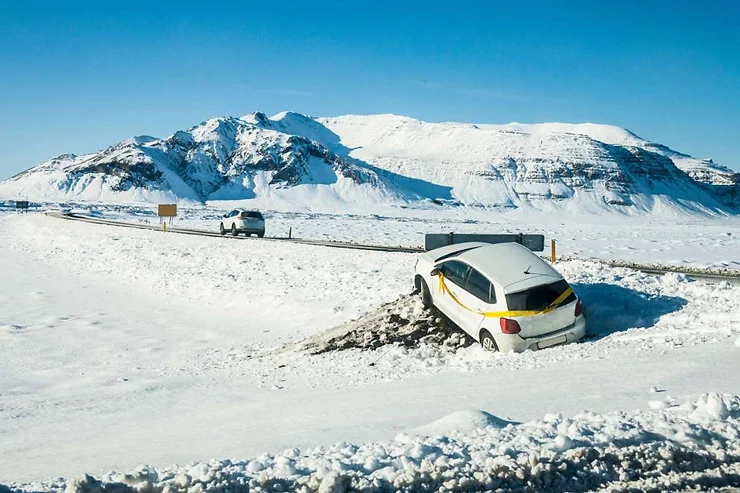


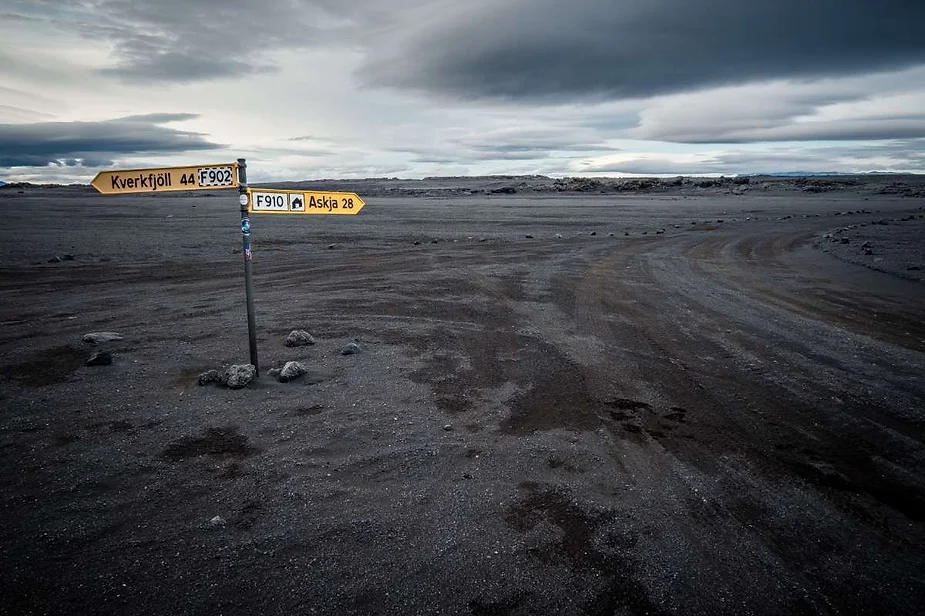


F-roads in Iceland are the part of the journey that guidebooks gloss over or water down. These aren’t cozy sightseeing routes. They test your planning, your vehicle, and your nerve. Skip the prep, and you’ll end up stranded, fined, or fighting with your insurance company while a tow truck empties your wallet.
We don’t do the silky version here. You’ll get the hard truth: what gear you actually need, how insurance really works, and the rules people break before realizing the mistake costs more than their plane ticket. If you want glossy promises, read somewhere else. If you want to drive the Highlands without wrecking your trip, stick around.
What Are F-Roads in Iceland?
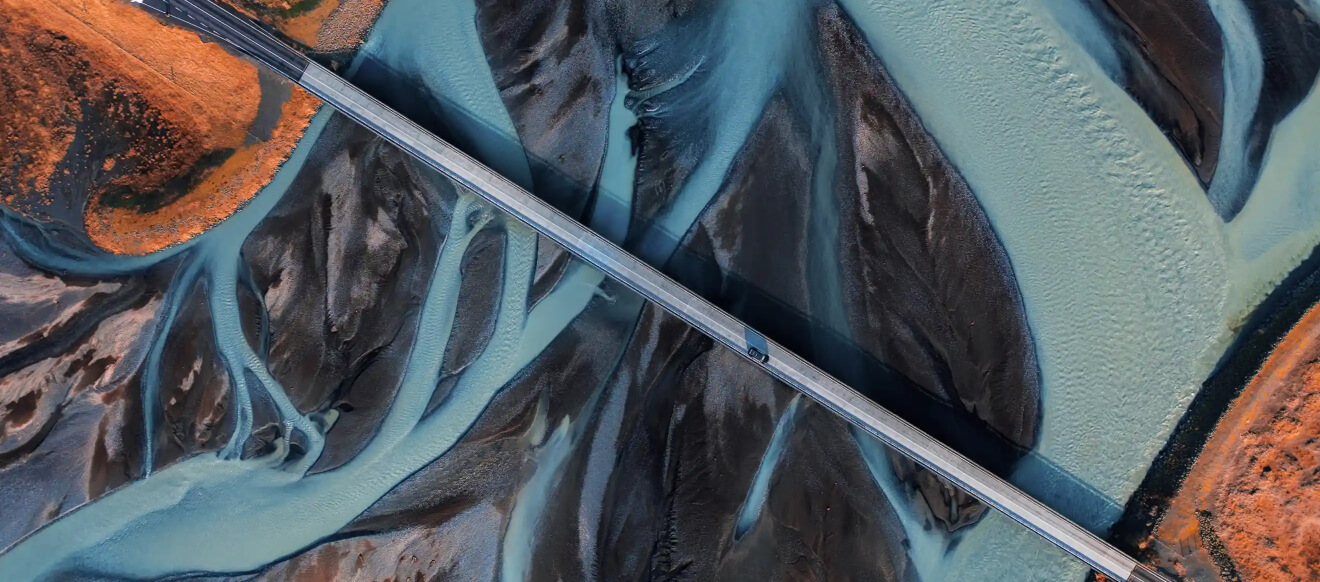
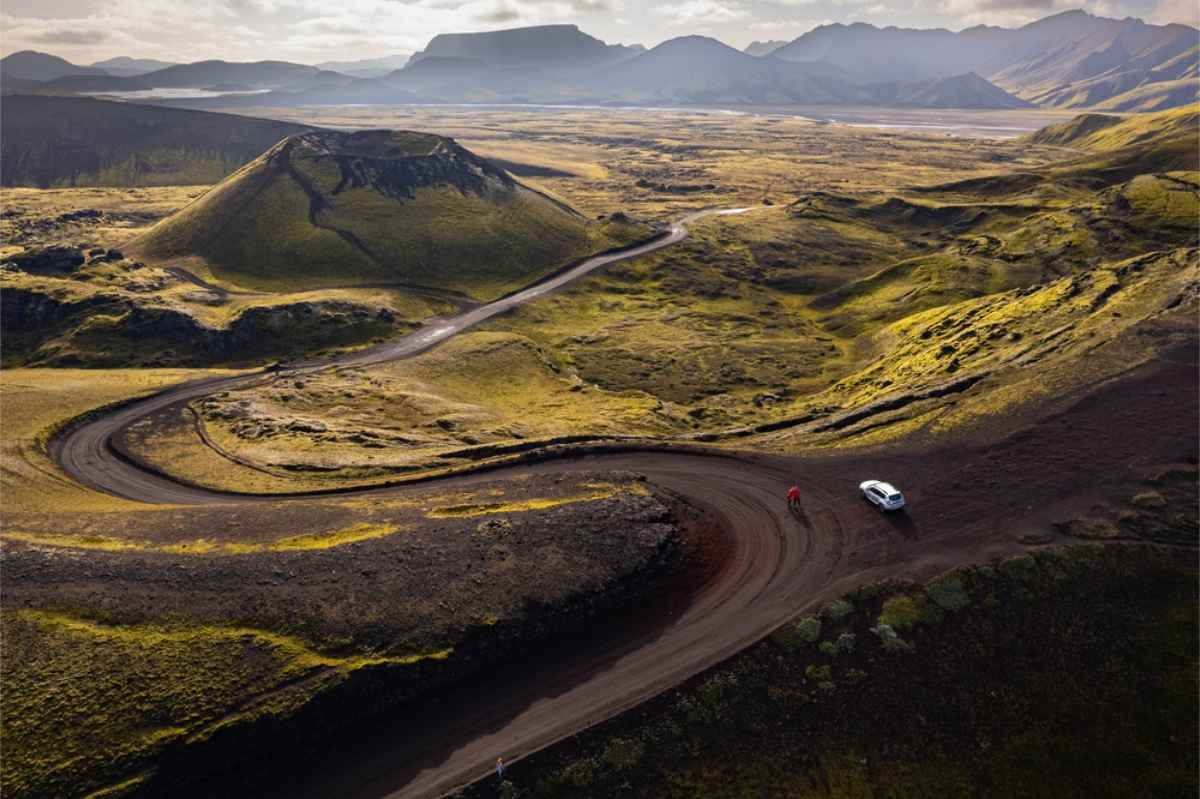
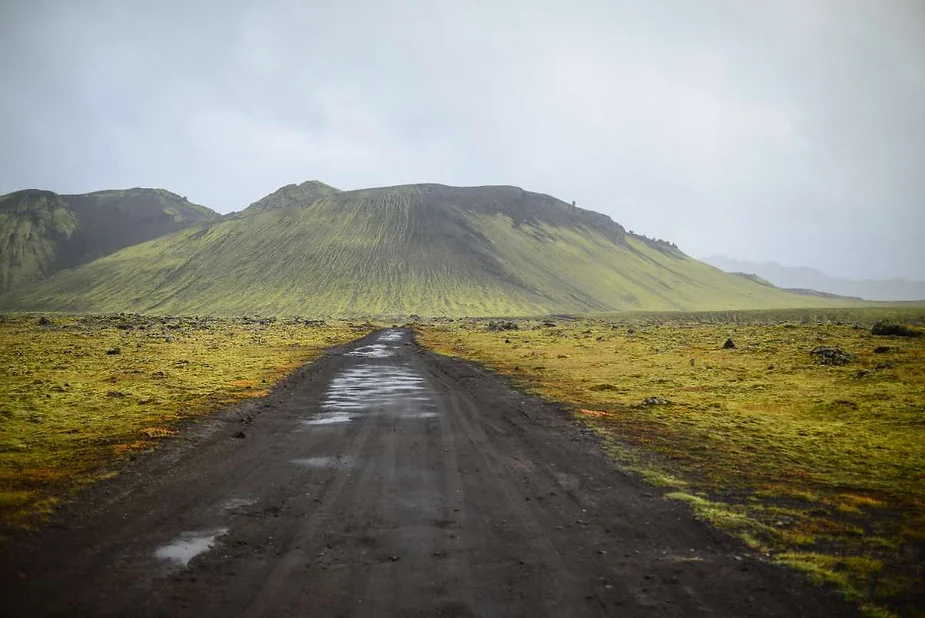
So, what are Highland F-roads? Think of them as Iceland’s not-so-friendly invitation to the Highlands. ‘F’ stands for Fjallvegur mountain road. Cute name, brutal reality. These tracks swap asphalt for gravel, boulders, and river crossings that don’t come with bridges or cozy touristy restaurants along the way.
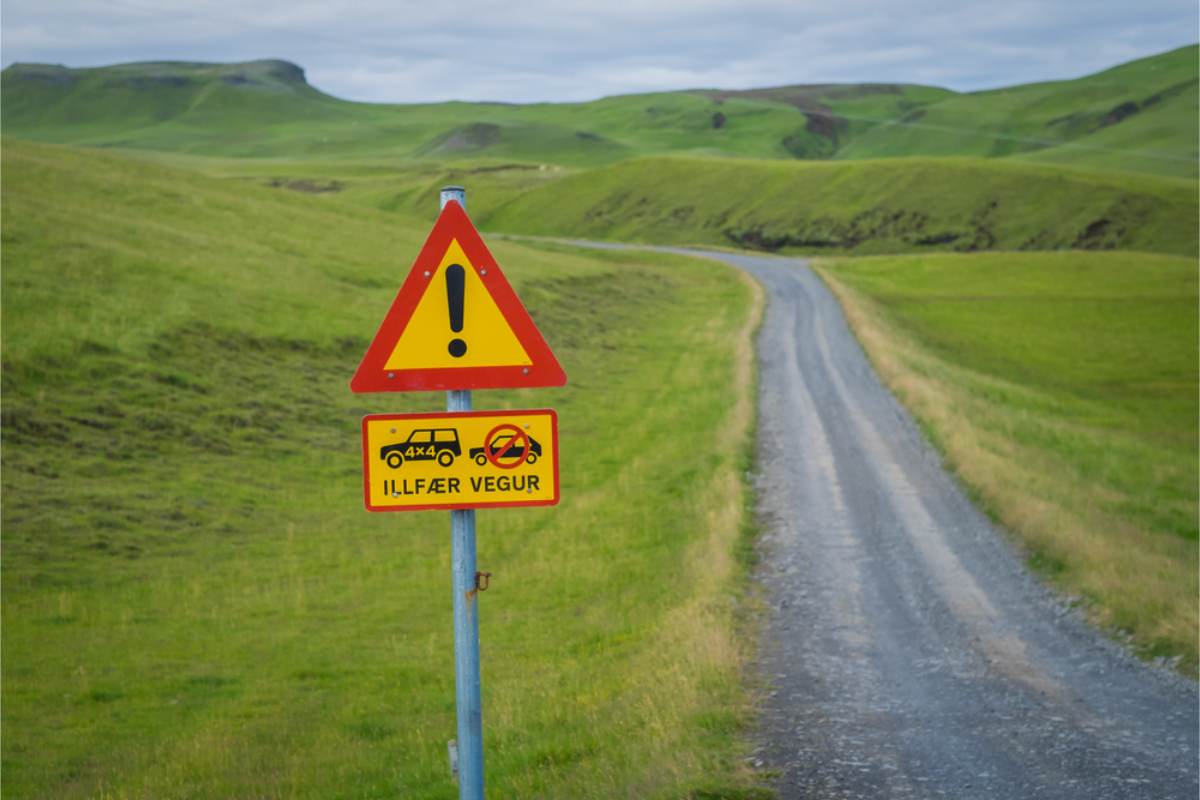
Regular gravel roads? Fine, manageable. F-roads are their wild cousins, the ones your insurance paperwork side-eyes. By law, only 4×4 vehicles are allowed. Take anything less, and it’s not just risky, it’s flat-out illegal.
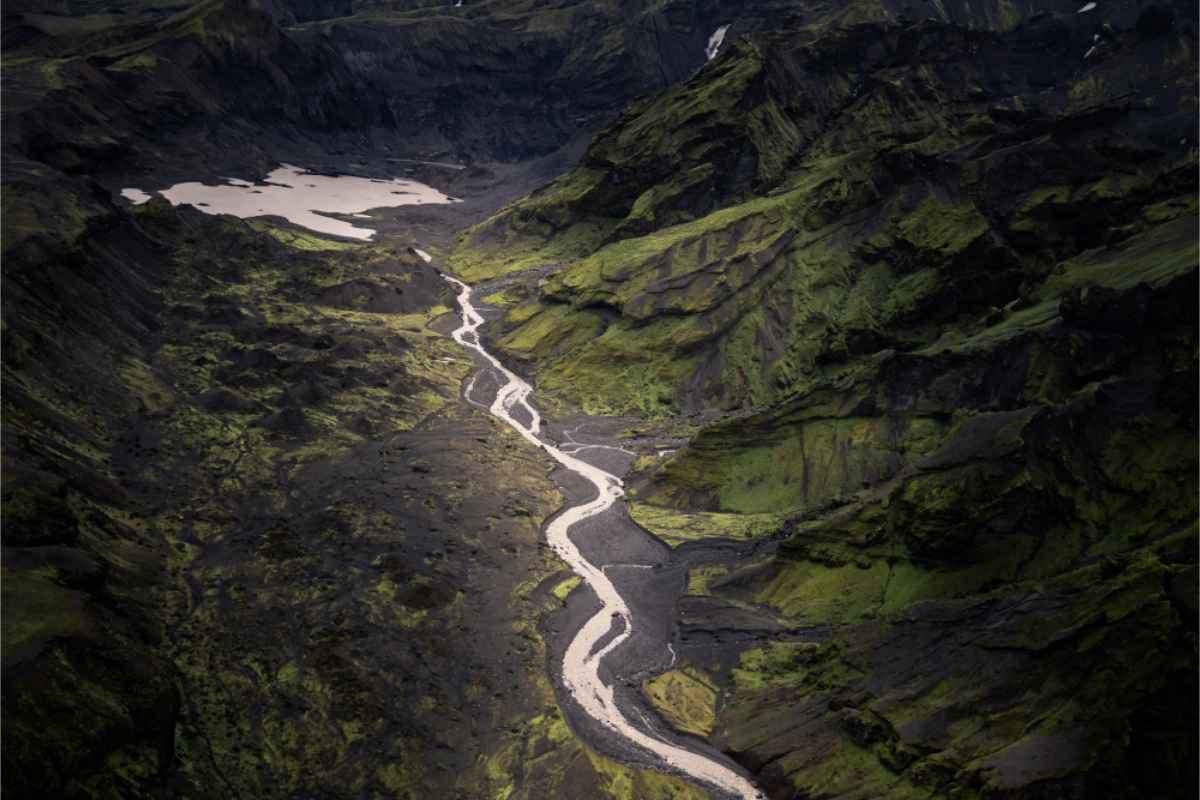
And yes, insurance will happily abandon you if you try. The payoff, though? Raw landscapes, lava deserts, geothermal valleys, and silence so deep it feels unreal. You’ll also encounter miles of black sand, endless lava, and glacial rivers that make you second-guess your life choices. So, if this sounds like the perfect addition to your Iceland trip, be sure to rent the right kind of vehicle!
Where Can You Find F-Roads in Iceland?
Most of Iceland’s F-roads are tucked away in the Highlands. You’ll also find one in the Westfjords, the F66, a steep track cutting across mountains with a few river splashes thrown in. That road alone connects the north and south of the region and is every bit as rugged as it sounds.
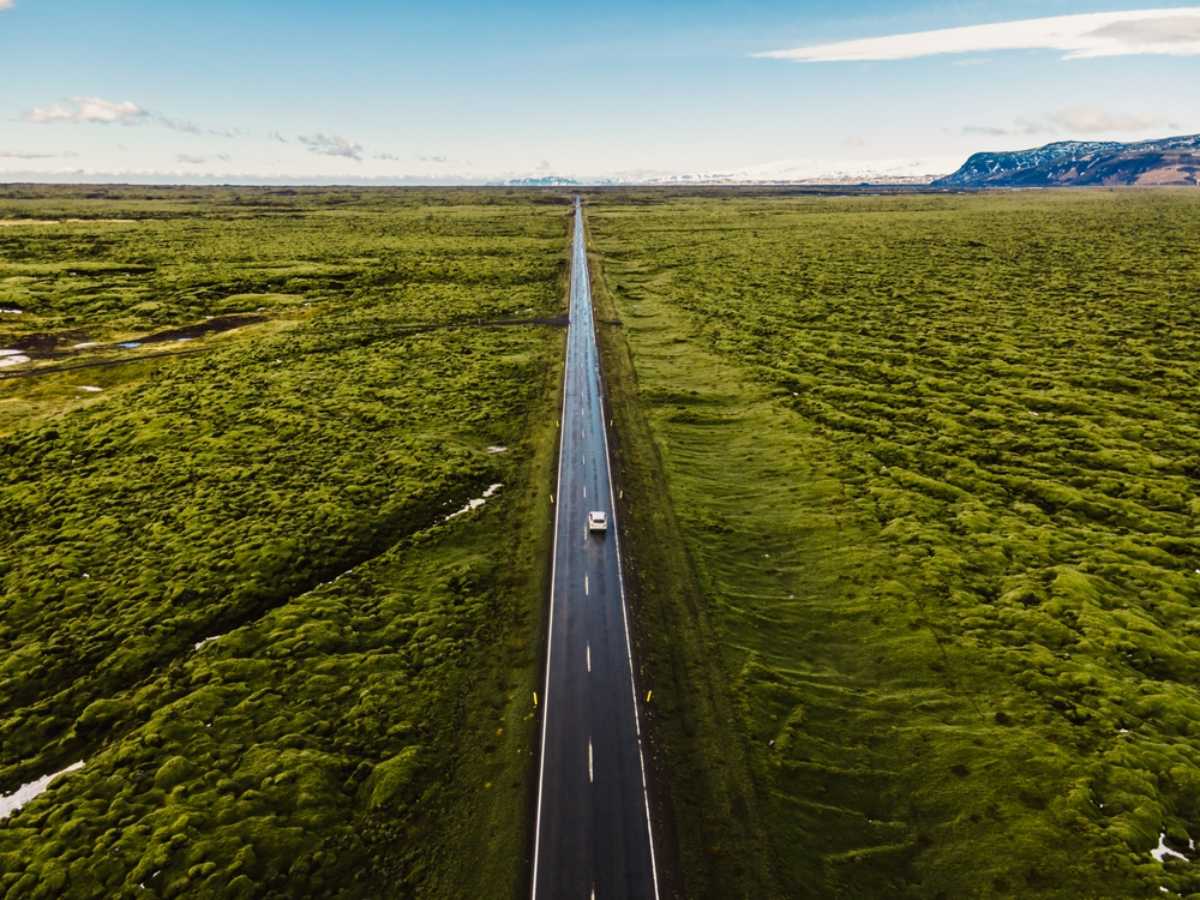
The thing about Iceland’s F-roads is their remoteness. Cell service? Spotty at best. Gas stations, stores, or help of any kind? Forget it. Once you leave the Ring Road behind, you’re basically on your own.
That’s part of the charm, but also why preparation isn’t optional. Key connections branch straight off the Ring Road, leading into legendary routes. Each route delivers raw scenery that most people can only dream of seeing.
When Do F-Roads Open and Close?
Iceland’s F-roads opening dates each year usually land somewhere between mid-June and early October. Easy routes like F35 sometimes sneak open in late May. The tougher, more remote tracks? They like to drag their feet until early July. Closing comes fast, late September or October, when the first storms or early snow make things ugly.
Want real info, not wishful thinking? Check Umferdin.is and SafeTravel.is for real-time updates. They’ll tell you what’s open, closed, or still buried under snow. July and August are prime time: roads in their best condition, daylight stretched long, and just enough predictability to keep you moving. Outside that, you’re gambling with Iceland’s mood swings.
Knowing when are F-roads open and when do the F-roads close is vital to planning your trip if you want to embark on an adventure into the remote Highlands. It’s much easier to pinpoint the opening dates versus the Iceland F-road closing dates because there’s no telling when winter will start to settle into the interior. The websites listed above will be your best friends.
|
Mountain Road Routes 2020-2024 |
Earliest Opening Date |
Latest Opening Date |
Median Opening Date |
|
F206 – Lakagígar |
12th June |
1st July |
18th June |
|
F208 – Fjallabaksleið north |
|||
|
1.Sigalda – Landmannalaugar |
1st June |
23rd June |
13th June |
|
2.Laugar – Eldgjá |
25th June |
8th July |
29th June |
|
3.Eldgjá – Skaftártunga |
10th June |
26th June |
12th June |
|
F210 – Fjallabaksleið south |
|||
|
1.Keldur – Hvanngil |
23rd June |
15th July |
6th July |
|
2.Hvanngil – Skaftártunga |
23rd June |
13th July |
3rd July |
|
F225 – Landmannaleið |
9th June |
26th June |
19th June |
|
F261 – Emstruleið |
23rd June |
15th July |
4th July |
|
35 – Kjalvegur |
|||
|
1.Gullfoss – Hveravellir |
1st June |
12th June |
10th June |
|
2.Hveravellir – Blönduvirkjun |
8th June |
14th June |
11th June |
|
F26 – Sprengisandur |
|||
|
1.Hrauneyjar – Nýidalur |
21st June |
13th July |
7th July |
|
2.Nýidalur – Bárðardalur |
21st June |
13th July |
7th July |
|
F752 – Skagafjarðarleið |
21st June |
13th July |
7th July |
|
F 821 – Eyjafjarðarleið |
23rd June |
24th July |
11th July |
|
F88 – Öskjuleið |
|||
|
1.Inn að Herðubreiðarlindum |
14th June |
2nd July |
25th June |
|
2.Herðubreiðarlindir – Dreki |
14th June |
2nd July |
25th June |
|
F894 – Öskjuvatnsvegur |
14th June |
13th July |
1st July |
|
F864 – Hólsfjallavegur |
30th May |
2nd July |
15th June |
|
F902 – Kverkfjallaleið |
20th June |
30th June |
26th June |
|
F905 – Arnardalsleið |
13th June |
30th June |
22nd June |
|
F910 – Austurleið |
30th June |
26th July |
18th July |
|
F52 – Uxahryggjavegur |
2nd May |
5th May |
3rd May |
|
F550 – Kaldadalsvegur |
4th May |
23rd June |
29th May |
This Iceland F-roads map will show you where each one leads, so be sure to review it carefully to determine which routes you’re interested in taking. You can then use this information, including the chart above, to plan your route and choose the most appropriate rental car to meet your needs.
What Type of Car Do You Need for F-Roads?
On Icelandic F-roads, we can’t stress this enough: you need a 4x4. Not a wannabe AWD crossover. Not the cheapest compact on the lot. A proper 4x4 built to take hits from gravel, ruts, and the occasional river. In fact, your rental insurance will be void if you drive onto these roads with the wrong vehicle. It’s just not worth the risk or the potential fines!
High ground clearance is the key. Aim for at least 20 cm (8 inches) so you don’t rip the undercarriage open on the first stretch of uneven terrain. Rental companies are crystal clear about which models are approved for F-road use, and they don’t put that fine print in for fun.
So, confirm before you rent any car in Iceland if you plan to hit the F-roads. You’ll be glad you did!
Why 4×4 Vehicles Are Mandatory
By now, you probably understand what an F-road is in Iceland. Rough tracks carved through lava, potholes big enough to swallow tires, rocks that can scrape the bottom of a car, steep inclines, and rivers that refuse to play nice. A two-wheel drive has no chance here. It bottoms out, loses traction, and leaves you stranded in the middle of nowhere. That is why the law says 4×4 only, and honestly, it is not negotiable.
And yes, you are probably tired of hearing about insurance, but we have to warn you again. Use the wrong vehicle and your coverage disappears instantly. Drive a 2WD onto an F-road, and you are not just breaking the rules; you are volunteering to pay every cent of recovery, damage, and fines. That is not a risk; it is a guarantee.
Fines Are Steep
If you ignore the advice of renting a 4x4 for the F-roads in Iceland and attempt it anyway, you are looking at some high costs. If you damage the vehicle, the cost of repairs is quite steep compared to what you’re probably used to. Depending on the severity of the damage, you could be on the hook for the cost of the car.
However, it isn’t just repair costs you have to worry about when driving into the Highlands, especially in an unapproved car. For example, recovering a vehicle from the remote Highlands can easily cost up to 450,000 ISK ($3700 USD/3100 EUR) due to the distance. If you need help outside regular business hours (8 am - 5 pm on weekdays), the costs increase.
On another note, if you decide to drive off the marked roads in the Highlands, you’re looking at adding some fines to your overall trip cost. Off-road driving is strictly prohibited in Iceland and comes with high fines. Base fines generally start around 350,000 ISK ($2900 USD/2400 EUR), but could go up to around 1.2 million ISK ($10,000 USD/8300 EUR) in severe cases.
In short, don’t be that person. Choose the right 4x4 for your F-road adventures and stay on the roads!
Recommended Car Models for F-Road Driving
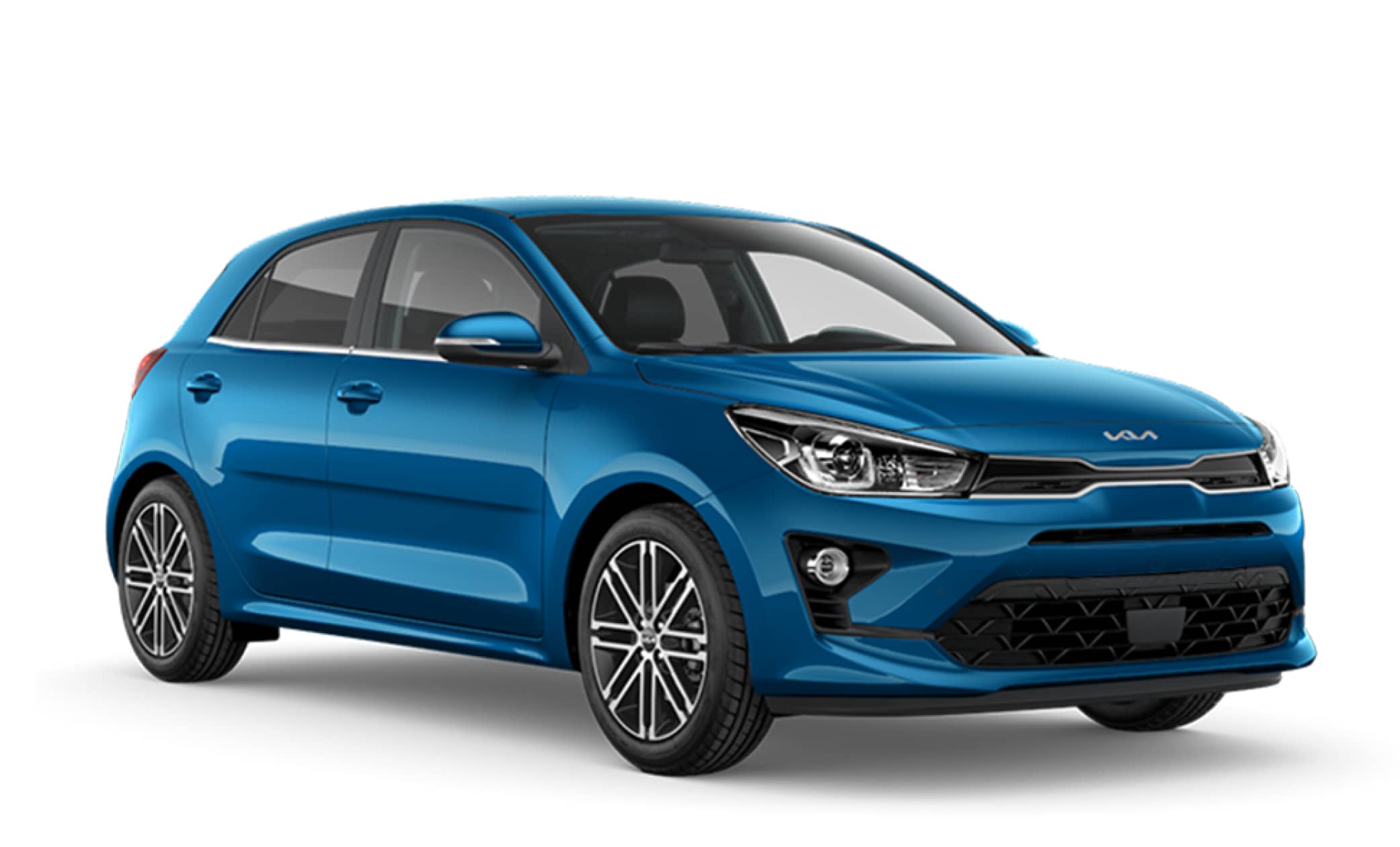
Here’s a no-nonsense look at five of the best choices from our 4x4 fleet. Each one has its strengths, and each is fully ready for Icelandic F-roads.
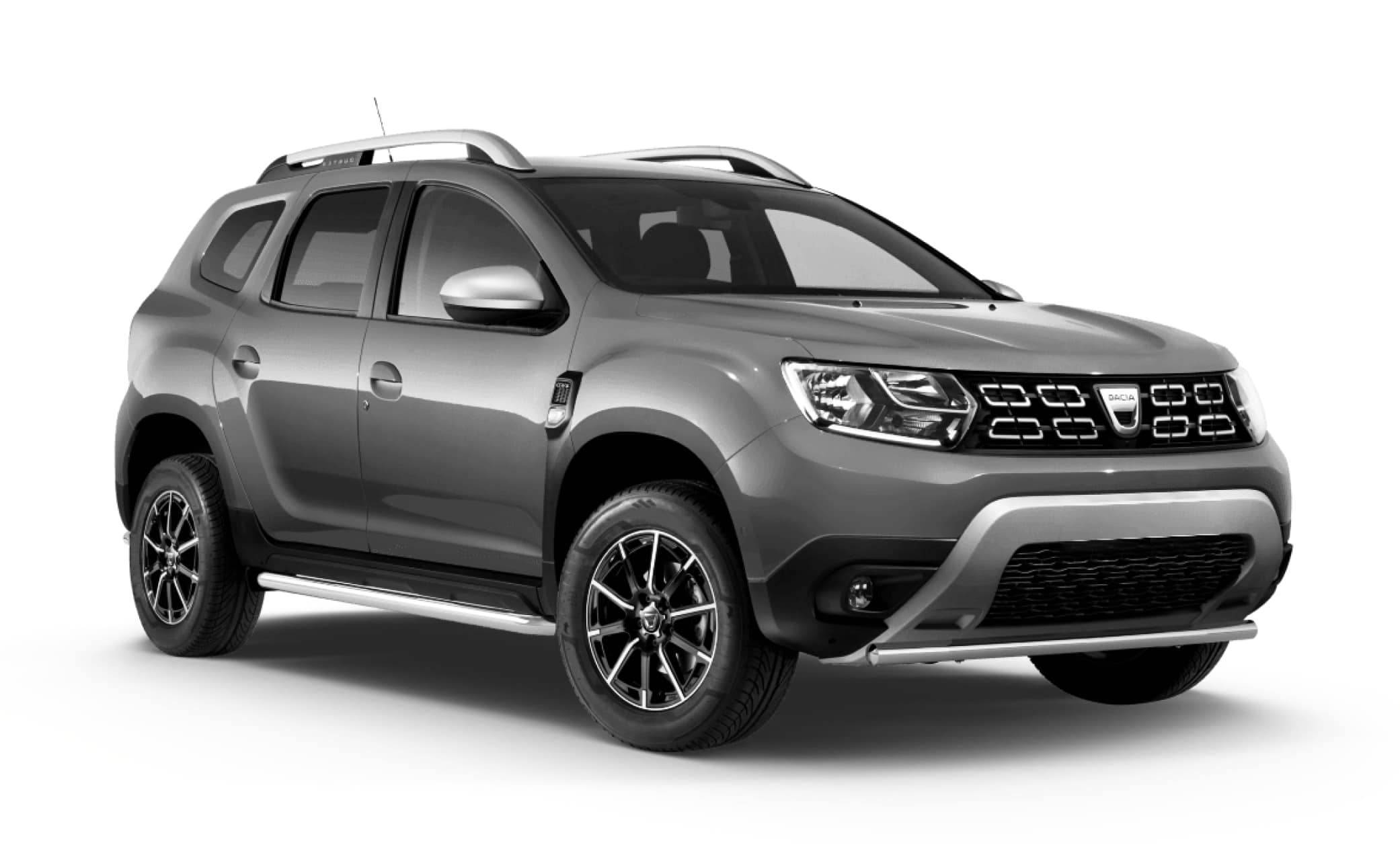
Dacia Duster (manual)
The Dacia Duster is a classic for Iceland, and for good reason. It’s compact enough to make parking in Reykjavik painless, yet rugged enough to chew through gravel and uneven Highland tracks. With proper 4WD and decent ground clearance, it can take on moderate river crossings and handle the unpredictable surfaces of Icelandic F-roads.
Folks who don’t want to overspend but still want a vehicle capable of tackling the Highlands often land here. It’s efficient on fuel, steady on long drives, and easy to maneuver on tight tracks. Think of it as the gateway 4x4: affordable, reliable, and tough enough to get you to Landmannalaugar without drama.
Specs:
- Transmission: Manual
- Seats: 5
- Drive: 4WD
- Insurance: CDW, SCDW, TP, GP included
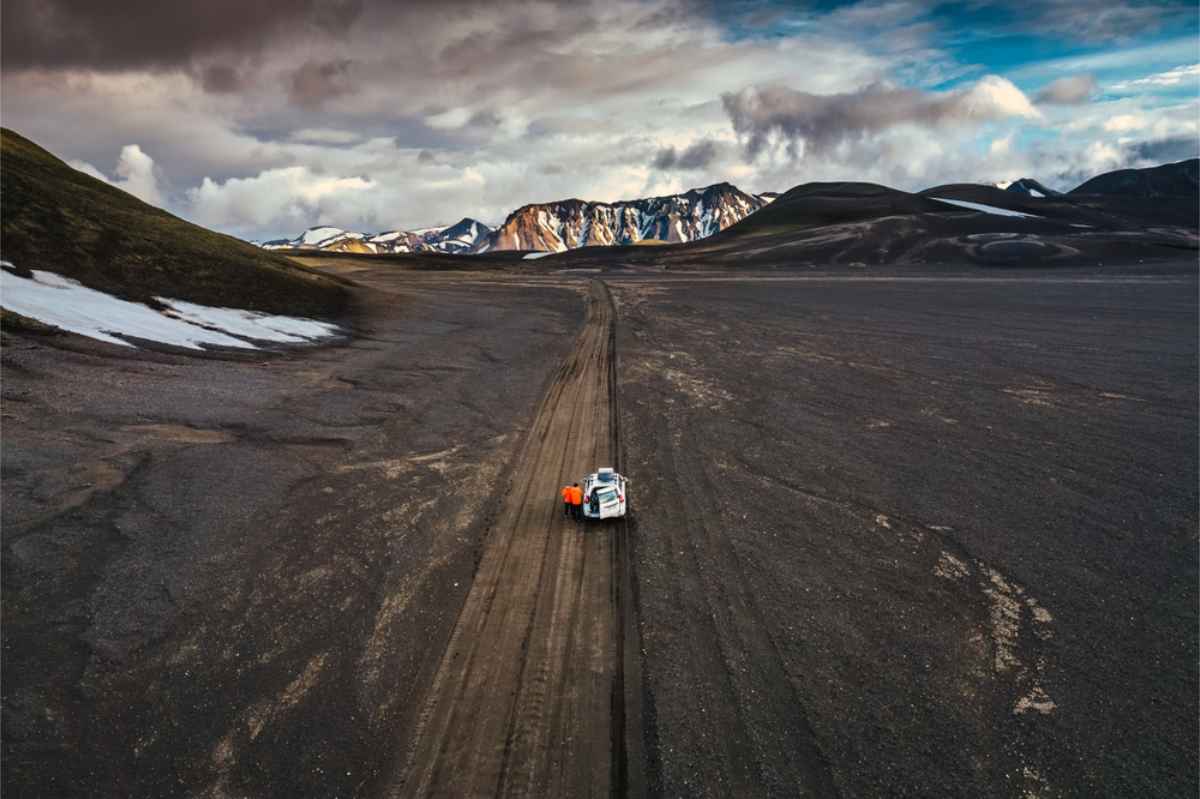
Suzuki Jimny (manual)
The Jimny is a tiny tank disguised as a 4x4. It’s boxy, quirky, and unapologetically rugged. With just two seats, it’s not built for families, but solo adventurers or couples who want to explore Icelandic F-roads love it.
The Jimny’s narrow frame lets it slip through Highland trails where bulkier SUVs struggle. It’s also light, which helps when crossing shallow rivers or climbing steep inclines. Comfort is limited, luggage space is laughable, but capability?
That’s where it shines. If you want raw adventure and don’t mind sacrificing a bit of comfort, the Jimny is your no-nonsense Highland partner.
Specs:
- Transmission: Manual
- Seats: 2
- Drive: 4WD
- Insurance: CDW, SCDW, TP, GP included
Jeep Renegade (automatic)
The Jeep Renegade mixes modern comfort with rugged performance. The automatic transmission makes it easy for drivers not used to manuals, while solid clearance and capable 4WD ensure it can handle Iceland’s unpredictable terrain.
It feels confident on gravel, steady in shallow rivers, and agile enough for most Highland tracks. It’s a good middle-ground option: not as basic as the Jimny, not as huge as the Land Cruiser, but perfectly at home on Icelandic F-roads.
The Renegade suits travelers who want a balance between adventure and comfort, with space for friends or family and enough muscle to handle demanding drives.
Specs:
Transmission: Automatic
Seats: 5
Drive: 4WD
Insurance: CDW, SCDW, TP, GP included
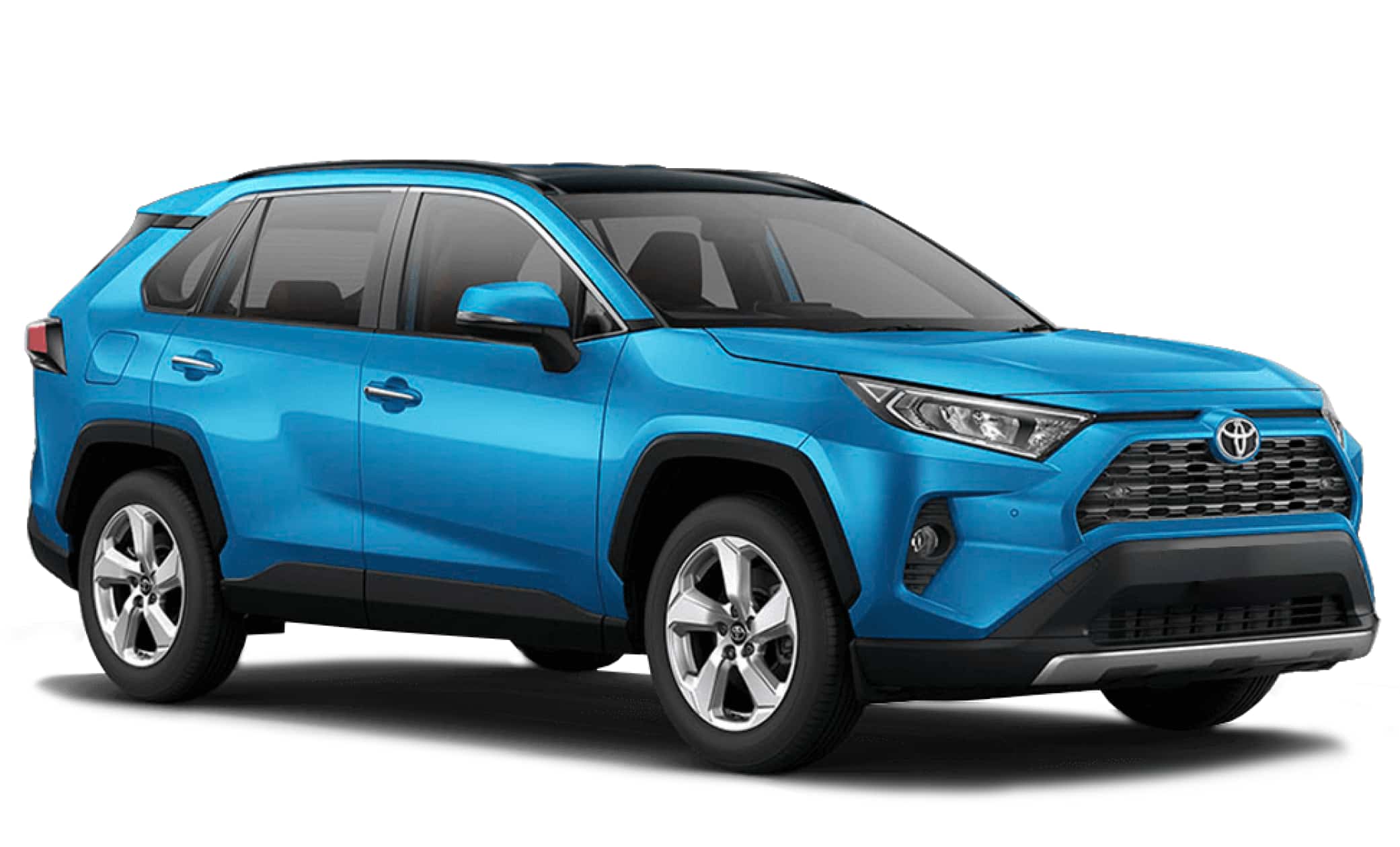
Toyota RAV4 (automatic)
The Toyota RAV4 is the reliable all-rounder in the fleet. It offers comfort for longer Ring Road trips while still holding enough grit to tackle most F-roads. With spacious seating for five and ample luggage space, it’s the family-friendly option that won’t leave you stranded in the Highlands.
Gravel, uneven surfaces, and moderate water crossings are no issue, and the automatic transmission keeps driving stress-free. It’s not built for extreme Highland punishment, but for most people, it’s the perfect middle ground: strong, comfortable, and versatile. A smart pick if you want one car for both city driving and Highland exploration.
Specs:
Transmission: Automatic
Seats: 5
Drive: 4WD
Insurance: CDW, SCDW, TP, GP included
Toyota Land Cruiser 150 (automatic)
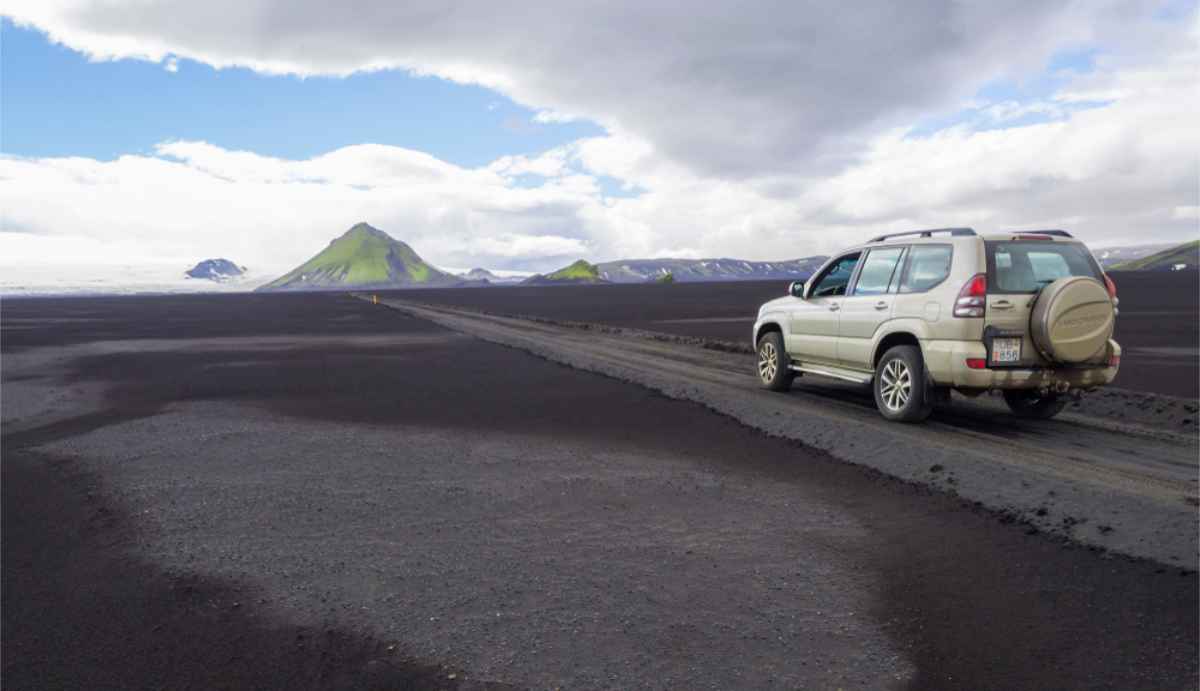
The Land Cruiser 150 is the heavyweight champion, built for the toughest F-roads Iceland has to offer. With serious clearance, a powerful engine, and space for seven passengers, it’s designed for travelers who want peace of mind in the Highlands.
Deep rivers, sharp inclines, and long stretches of brutal terrain are where this SUV feels at home. It’s not the cheapest option, but it’s the one you take if you don’t want surprises. Comfort is high, the cabin is spacious, and it’s fully capable of carrying families or groups across Iceland’s harshest roads. If safety and reliability are non-negotiable, this is your answer.
Specs:
Transmission: Automatic
Seats: 7
Drive: 4WD
Insurance: CDW, SCDW, TP, GP included
Honorable Mentions
While the above options are our top picks for your adventure on the F-roads in Iceland, they aren’t the only choices you have when you book with us. Some of the other vehicles in our fleet that you can consider include the following:
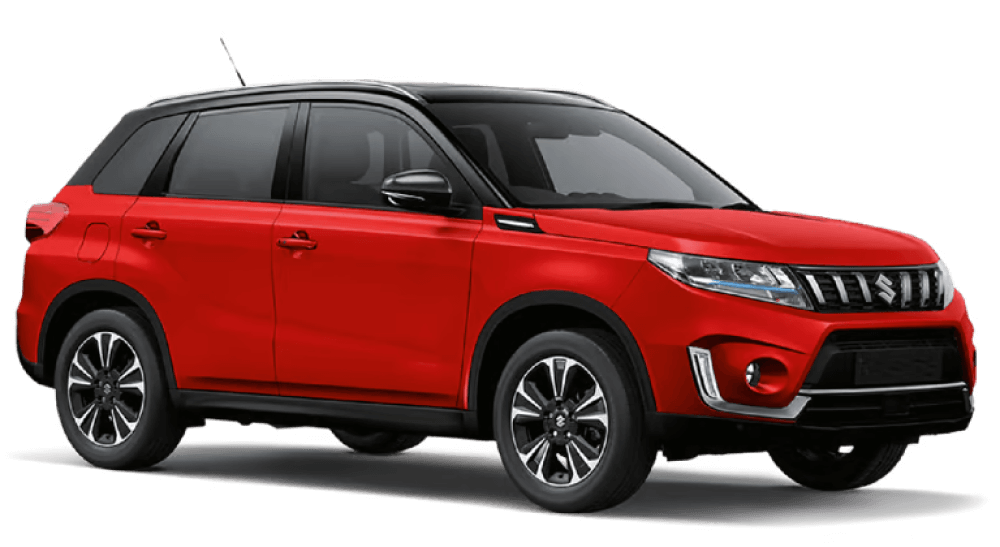
- Suzuki Vitara (as long as it’s a 4x4)
- Dacia Bigster
- MG EHS (limited to only certain F-roads, so be sure to ask first)
- BMW X1
- Nissan X-Trail (only if it’s AWD, and no rivers)
- Toyota Land Cruiser 250
Always talk to one of our representatives if you’re not sure whether a particular vehicle is suitable for your plans. We can help you choose the best option for the F-roads in Iceland.
Which Vehicles Should You Avoid?
The biggest mistake you can make if you’re planning to add Highland destinations to your itinerary is choosing the incorrect vehicle. Renting a 4x4 is more expensive than a smaller 2WD car, but you really need to think about where you want to go. A normal 2WD vehicle is just fine if you’re planning to stick to the Ring Road and some of the minor offshoots, but it just won’t cut it in the Highlands.
Now, if you think that you can rent an SUV and save some money by opting for a 2WD without restricting where you go, think again. Renting anything other than a 4x4 can result in significant damage to the vehicle. If it’s determined that you drove a vehicle where it wasn’t allowed, your rental insurance will be null and void, leaving you with a big bill to pay before you head home. Never think that you can rent a regular car and still get to the Highlands, unless you plan to take a tour.
What Insurance Do You Need for F-Roads?
If you’re planning to tackle Icelandic F-roads, insurance is not just paperwork; it’s survival. At Cars Iceland, every rental already comes with a solid base: CDW, SCDW, Gravel Protection, and Theft Protection. That means your vehicle’s bodywork is covered, your liability deductible is reduced, and you’re safe against the constant shower of gravel chips that Iceland loves to throw at windscreens and headlights. Theft? Covered, too, with no deductible. Nice start, but it’s not enough for the Highlands.
Here’s the truth. Standard CDW will never cover undercarriage damage or doors ripped by wind gusts. And river crossings? Insurance will abandon you entirely. No company in Iceland covers that risk. If you drive through a river and wreck the engine, it’s on you. So, if you have no experience fording a river, we don’t recommend giving it a shot. It could end up being a costly mistake.
In the long run, our optional extras matter, especially if the Highlands are on your list. The Liability Waiver reduces your deductible to zero.Sand & Ash Protection is another must-have, especially in the south and east, where storms can strip paint and crack glass in minutes. Together, these plans give you the best defense available.
| Feature | Included Insurance (CDW / TP / TPL / PAI) | Premium Insurance | Zero Excess (Optimal for F-roads) |
|---|---|---|---|
| Coverage for F-road Hazards | Not included | Not included (covers Gravel Protection only) | Yes (Gravel, Sand & Ash, Tire Protection) |
| Financial Risk (Deductible) | Standard deductible applies | Lower deductible than basic | Zero deductible |
| Key Included Protections | Collision (CDW), Theft (TP), Third-Party (TPL), Personal Accident (PAI) | all the basics + Super CDW (SCDW) and Gravel Protection (GP) | All Premium protections plus zero liability on covered cases. |
| Approximate Daily Cost | Included in rental | From 4,000 ISK | From 5,400 ISK |
| Best For | General driving on paved and maintained roads | More peace of mind on standard roads | Best for F-road travel |
How to Drive on F-Roads Safely
The advice you’re about to read is probably the most important part of this entire guide. F-roads don’t forgive mistakes, and bad decisions here cost more than money. Listen closely, it might save your trip, and prevent you from buying a wrecked car at the end of the trip. That’s no souvenir anyone wants.
River Crossings: Tips and Warnings
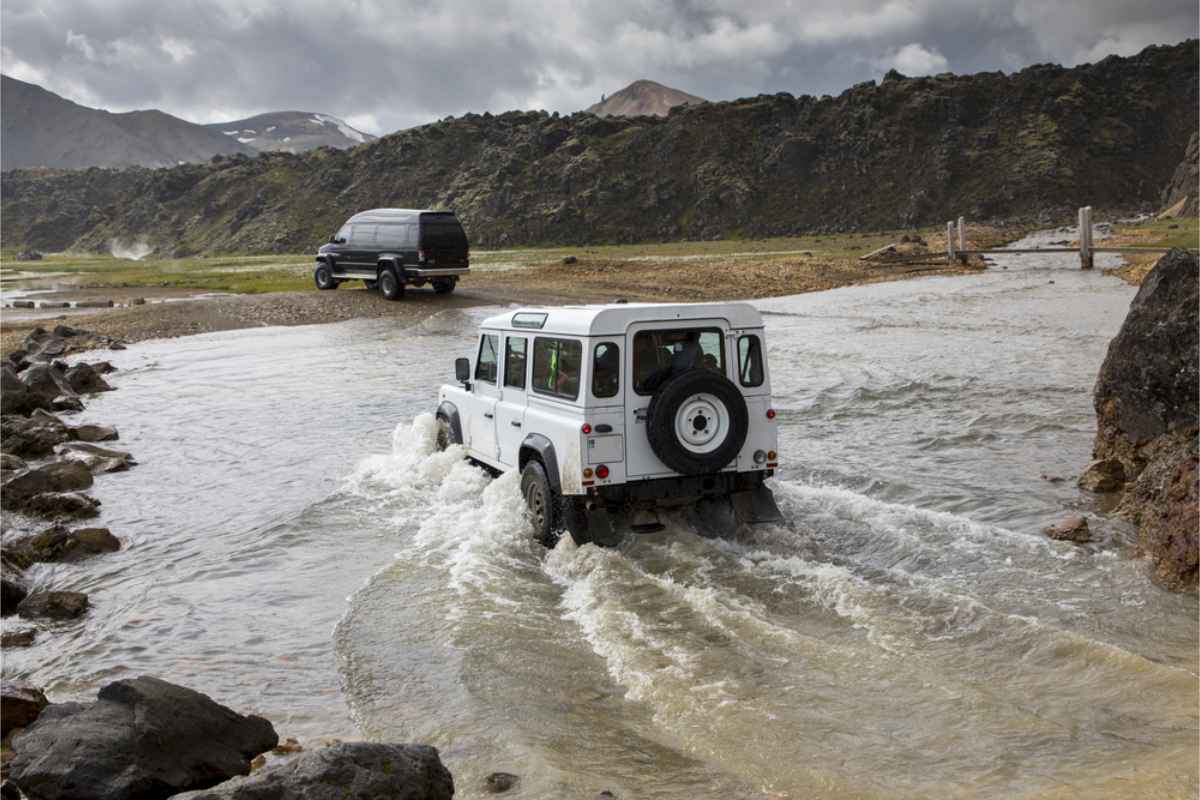
Rivers are the single biggest gamble on Icelandic F-roads. Get them right, and you feel like a champion. Get them wrong, and you are phoning (if there is a signal) for help while water seeps into the cabin. The first rule is patience. Stop before the crossing. Walk to the edge and check the depth, current, and riverbed. If the water is cloudy, throw a stone in to see how deep it goes, or roll up your pants and walk across.
When it looks manageable, shift into low gear, roll forward slowly, and keep a steady throttle. Do not stop mid-river. That hesitation is what leaves cars stuck in the current. Look for guideposts or markers like the orange poles on F208. They often mark the safest path across. If other cars went before you, their tracks are usually a good clue.
Cross slightly downstream with the current to cut resistance. Always accept that risk is built in. Cars get damaged. People get stranded. If the river looks too fast or too deep, turn back or wait. Nothing you want to see is worth flooding an engine. And if you are not sure, send someone outside to guide you through. One clear signal from a spotter can make all the difference.
Fuel, Supplies, and Emergency Planning
Gas stations in Iceland are mostly clustered around the Ring Road and towns. Once you turn onto F-roads, stations become scarce and eventually vanish completely. That is why topping off the tank before heading into the Highlands is non-negotiable.
Some routes, like F26, stretch for more than 200 km (124 mi) with zero services in between. If your rental policy allows, carry an extra fuel canister for long or back-to-back Highland trips. Fuel is just the start. Weather in the Highlands can change from sunshine to sleet in minutes, so bring extra food, water, warm layers, and blankets.
Think survival kit, not picnic basket. Since cell reception is often nonexistent, register your travel plans on SafeTravel.is so rescuers know where to start if things go sideways. A satellite phone or an emergency beacon is worth every krona if you break down far from help. Roadside assistance will eventually reach you, but ‘eventually’ in Iceland can mean hours, and it certainly won’t be cheap
Rules to Follow on F-Roads
By now, you know what an F-road is in Iceland, but knowing is not enough. Driving them safely means following rules that exist for good reason. First, never leave the marked tracks. Off-roading is illegal, it scars fragile moss and volcanic soil for decades, and it instantly voids your rental insurance. If you think fines are expensive, try explaining environmental damage to the authorities.
The surface itself is no joke. Gravel is loose, roads are narrow, and blind corners appear out of nowhere. Adjust your speed. A safe 60 km/h (37 mph) on flat stretches can become dangerous on bends where control slips easily. Always give way to uphill vehicles or buses since they cannot maneuver as easily on steep ground.
Headlights should stay on at all times, even in daylight, because Highland weather can turn visibility into a guessing game. Use signals properly so other drivers know your next move. Courtesy and caution are part of the deal out here.
Most Popular F-Road Routes and Destinations
You’ve made it this far, so you already know the rules, the risks, and why a 4x4 is non-negotiable. Now it’s time for the fun part. These are the F-roads worth your fuel, the ones that actually lead somewhere unforgettable instead of just rattling your bones. Here are what we think are the best F Roads in Iceland.
Suggested F-roads Based on Your Travel Experience
| Traveler Type | Recommended Route | Days | Difficulty Level | Why Choose It |
|---|---|---|---|---|
| Beginner | F35 Kjölur | 1 | Easy | No river crossings, good road conditions |
| Intermediate | F208 North | 2 | Moderate | Access to Landmannalaugar without river crossings |
| Expert | F26 Sprengisandur | 2–3 | Difficult | Extremely remote route with total isolation |
F208 to Landmannalaugar
The F208 is one of the best F-roads in Iceland, stretching roughly 100-105 kilometers (62-65 miles) through the southern Highlands. It links some of the country’s most rugged volcanic landscapes with the geothermal wonderland of Landmannalaugar. This road is split into two very different experiences: the northern section and the southern section.
The route you choose will rely heavily on many factors, like your personal experience with river crossings and rough roads, the vehicle you rent, the weather, and how much time you have. Below are the basics of each section of F208 to help you decide which is right for you.
F208 North
The northern leg, sometimes marked simply as 208, is the easier option. It runs on rough gravel with potholes and other small obstacles, but avoids the stress of river crossings. In good weather, even a smaller 4WD SUV can make the drive. It is less dramatic in terms of scenery, but it is also far less risky. For many, this section is a safe and practical way to reach Landmannalaugar without too much pressure behind the wheel.
This route has a few must-sees before you reach your ultimate destination at Landmannalaugar:
- Sigöldugljúfur Canyon
- Hnausapollur
- Ljótipollur
F208 South
The southern stretch is where things get serious. Expect multiple river crossings with depths ranging from 40-60 cm (16-24 in). These crossings demand a solid 4WD with good ground clearance and some confidence with river fording. The reward is a drive through black sand deserts, lava fields, and mountains painted in shades that do not look real. It is demanding, but the landscapes are unforgettable.
This route is your access point to views at:
- Eldgjá Canyon
- Rauðibotn Crater
- Mælifell Volcano
Quick real story:
Did you know that back in 2025 a couple in a 4x4 stopped at a wide, shallow river crossing for a photo? Another 4x4 following them, not wanting to lose momentum, entered the crossing too closely. The first vehicle unexpectedly stalled in the middle. The second vehicle, unable to stop, hit the first, causing damage to both.
How you can avoid this: Always cross rivers one vehicle at a time. Wait for the car ahead to completely exit the crossing and clear the area before you enter. This prevents chain-reaction accidents and allows you to see if they encounter any hidden obstacles.
F26 Through the Highlands (Sprengisandur)
The F26, better known as Sprengisandur, is the giant of Iceland’s Highland network. At roughly 250 kilometers (155 miles), it is the longest and one of the most isolated routes you will find on any Iceland F-Roads map. The road cuts through the barren middle of the country, wedged between two massive glaciers, Hofsjökull and Vatnajökull. This is wilderness in its rawest form.
There are no gas stations, no accommodation, and no handy cafés along the way. Once you turn onto F26, you are on your own. The terrain is a constant mix of rough gravel, flat desert-like stretches, and rocky sections punctuated by unbridged river crossings. Weather can flip from clear skies to freezing wind and sleet in minutes, so conditions demand respect.
A proper 4×4 with high clearance is mandatory. Smaller cars will not survive the ruts, boulders, or water crossings. Cell service is rare, which makes emergency planning vital. Carry extra fuel, food, water, and warm clothing as if you were heading into an expedition, because that is exactly what this feels like. If possible, plan this trip with a group or at least one other car for safety reasons.
F35 (Kjölur Route)
The F35, also called the Kjölur Route, is one of the more forgiving drives you will find on any F-road map of Iceland. In fact, it is no longer classified as an F-road, but still has some of the restrictions. Stretching about 168 kilometers (104 miles), it cuts across the Highlands, threading between the massive Langjökull and Hofsjökull glaciers on the Kjölur plateau. It is not an easy road by city standards, but compared to other F-roads, it is considered a milder option.
The terrain is mostly rough gravel with no river crossings, which makes it a good introduction to the Highlands for drivers who are new to this type of travel. Driving the full route usually takes around 5 to 6 hours if you keep stops short, but there’s plenty to see. A proper 4×4 is still legally required, as the road surface and mountain conditions can quickly punish anything smaller.
The F35 is not just about the drive. Along the way, you get access to some of Iceland’s most unique natural sights. Kerlingarfjöll, a rhyolite mountain range glowing with geothermal activity, sits close by, while Hveravellir offers bubbling hot springs in the middle of nowhere. The route often opens earlier in summer than others, making it a popular choice for those looking for Highland wilderness without the full brutality of tougher F-roads.

F249 (Þórsmörk)
The F249 is often ranked among the most exciting and scenic F-Roads in Iceland. The route takes you through dramatic landscapes of glaciers and lava fields, but like most F-Roads, it comes with challenges, including river crossings. The most notorious is the Krossá River, where water levels can change daily.
Fed by glacier melt and rainfall upstream, the Krossá River can quickly become unpredictable and, at times, dangerous. It is not recommended to attempt this river without a heavily modified 4x4. Instead, park before crossing the river and cross on the footbridge. Each year, drivers get stuck in this river, destroying their vehicles and putting their lives at risk. It’s just not worth it!
Quick real story:
Back in 2024 two friends driving in the highlands rejected the safe option to walk the crossing first; Mark edged the BMW into the cold water. For a moment, it seemed okay. Then, with a sickening lurch, the front wheels dipped into a hidden hole.
The engine roared as it ingested a wave of water, and with a final, pathetic cough, everything went silent. The powerful BMW was now a dead, waterlogged metal box, stranded in the middle of the river.
How you can avoid this:
Understand that sometimes driving a 4x4 is just not enough. You do need experience; don't underestimate the environment. Currents can be unpredictable and deceiving. If you don't feel sure enough, simply don't. Better safe than sorry.
F570 (Snaefellsjökull)
F570, Jökulshálsvegur, is the mountain road that winds around Snæfellsjökull glacier, offering breathtaking views of lava fields, craters, and the rugged Snæfellsnes Peninsula. It’s an adventurous drive that puts you right in the heart of Iceland’s volcanic beauty.
But, as with most F-Roads, conditions can be tricky! Snow patches can linger well into summer, and the road is steep and narrow in sections. A proper 4x4 is mandatory, and you should always check conditions before heading out. This F-road often opens last and closes first, giving you a small window to enjoy the spectacular views.
F66 (Westfjords)
F66, also called Kollafjarðarheiði, is a mountain pass cutting across the rugged Westfjords. The road takes you over steep hills and through remote valleys where you’ll find raw, untouched Icelandic beauty at every turn. Like most F-Roads, it demands caution: expect rough gravel, steep climbs, and small river crossings that can be unpredictable after heavy rain.
A 4x4 is essential, and before setting out, always check the weather and road conditions. The reward? A dramatic shortcut through one of Iceland’s most isolated and awe-inspiring regions.
Frequently Asked Questions About Iceland’s F-Roads
Do you still have some questions about driving the F-roads in Iceland? Here are our answers to some of the questions our customers often ask when choosing a rental car for a Highlands adventure.
Is Route 35 in Iceland paved?
No, most of Route 35 is unpaved. The pavement ends just past Gullfoss, so you can expect a gravel road with potholes, washboarding, and rocky sections.
What makes Sprengisandur unique?
F26 is the longest, loneliest route. There are no services on this rough gravel road with numerous river crossings through raw wilderness. It is Iceland’s toughest drive and for prepared travelers only.
What is the easiest route to Landmannalaugar?
The northern F208 is easiest with no river crossings, just gravel and potholes. It features easier terrain, less stress, and is more accessible than the demanding southern approach.
Is it safe to drive solo on F-roads?
It is possible, but risky. These roads have remote terrain, no cell signal, and rivers waiting to trap you. Only go alone if you are fully equipped and experienced.
Can I camp anywhere along an F-road?
No. Wild camping is heavily restricted. Use designated campsites to protect Iceland’s fragile landscapes and avoid fines or trouble.
Do I need a special permit to drive on F-roads?
No, you don’t need a special permit, but you do need the right vehicle. Only 4x4 vehicles are legally allowed on F-roads in Iceland, and for good reason! These roads can get rough, with steep climbs, deep ruts, and river crossings.
What happens if I get stuck in a river?
First, don’t panic (and definitely don’t keep revving the engine; that usually makes things worse). If you rented a camper or 4x4, call the roadside assistance number provided by your rental company. Keep in mind, though, that towing a vehicle out of a river isn’t cheap, and insurance rarely covers water damage. The best advice? Always check the river before crossing, ask locals for tips if you can, and when in doubt, don’t drive through.
Is there mobile coverage on F-roads?
Coverage is hit-or-miss. Around some Highland routes, you might get a decent signal, but many stretches are complete dead zones. That’s why it’s smart to download offline maps, let someone know your route in advance, and carry a GPS or satellite device if you’re going remote.
Ready to Conquer Iceland’s F-Roads?
F-roads in Iceland are not for the faint-hearted, but with the right car rental in Iceland and insurance coverage, they become the adventure of a lifetime. Our 4×4 fleet is built for this terrain, and our insurance packages give you the armor you need to face gravel, rivers, and the unpredictable Highlands.
No hidden traps, no nasty surprise bill. Just trust, preparation, and the road ahead. The scenery will blow your mind, but the Highlands do not forgive mistakes. Trust your gut at every river. If it feels unsafe, it probably is. Out here, you do it right, or you regret it.