





Should I rent a car in Iceland? In most cases, yes. If you’re asking do you need a rental car in Iceland, the answer depends on how much you actually want to see. If your plan goes beyond Reykjavík and a few fixed tour stops, renting a car becomes the practical choice. The only real exceptions are short city stays or trips fully built around guided tours.
Iceland isn’t built for passive travel. There’s no seamless train network. Buses won’t take you where you actually want to stop. And the places you’ve seen in photos? Most of them require a bit of independence to reach properly.
Where things usually go wrong is simple. You underestimate distances. You assume getting around will be easier than it is. Then, suddenly, your plan depends on bus schedules or tour availability. Not ideal.
This guide breaks it down properly: when you need a car, when you don’t, what renting a car in Iceland actually costs in 2026, including the new distance-based road tax, and what tends to catch people off guard once they’re here.
Do You Need to Rent a Car in Iceland?
Do you need a rental car in Iceland if you want to explore beyond Reykjavík? Not strictly. But that’s not really the right question. The real question is whether you want control over your trip or if you’re fine working around fixed schedules.
Outside Reykjavík, public transport is limited, infrequent, and not built around the places you actually want to stop. You can get from point A to point B. Stopping at five waterfalls in between? Not happening. So it comes down to how you plan to travel.
Trip length matters. If you’re here for more than two or three days, relying on buses or tours starts to feel restrictive quickly. Travel style matters too. If you prefer flexibility, adjusting your day based on weather or mood, a car isn’t optional. It’s the whole advantage. Season also plays a role. In winter, plans change. Roads close. Weather shifts. Having your own vehicle gives you room to adapt instead of canceling.
On the other side, convenience has its place. If your plan is simple, structured, and short, you can get by without driving. But you’re trading freedom for predictability. From what we see every day, the pattern is consistent. People who skip renting a car usually realize halfway through their trip that they’re spending more time waiting than exploring. And by then, it’s too late to fix it properly.
When Renting a Car Is Worth It
Should you rent a car in Iceland when your trip goes beyond a simple city visit? That’s usually where the answer shifts from ‘maybe’ to ‘yes.’ If your plan includes routes like the South Coast past Vík, a full Ring Road loop, or even a day trip to Snæfellsnes, relying on tours or buses starts to break down quickly.

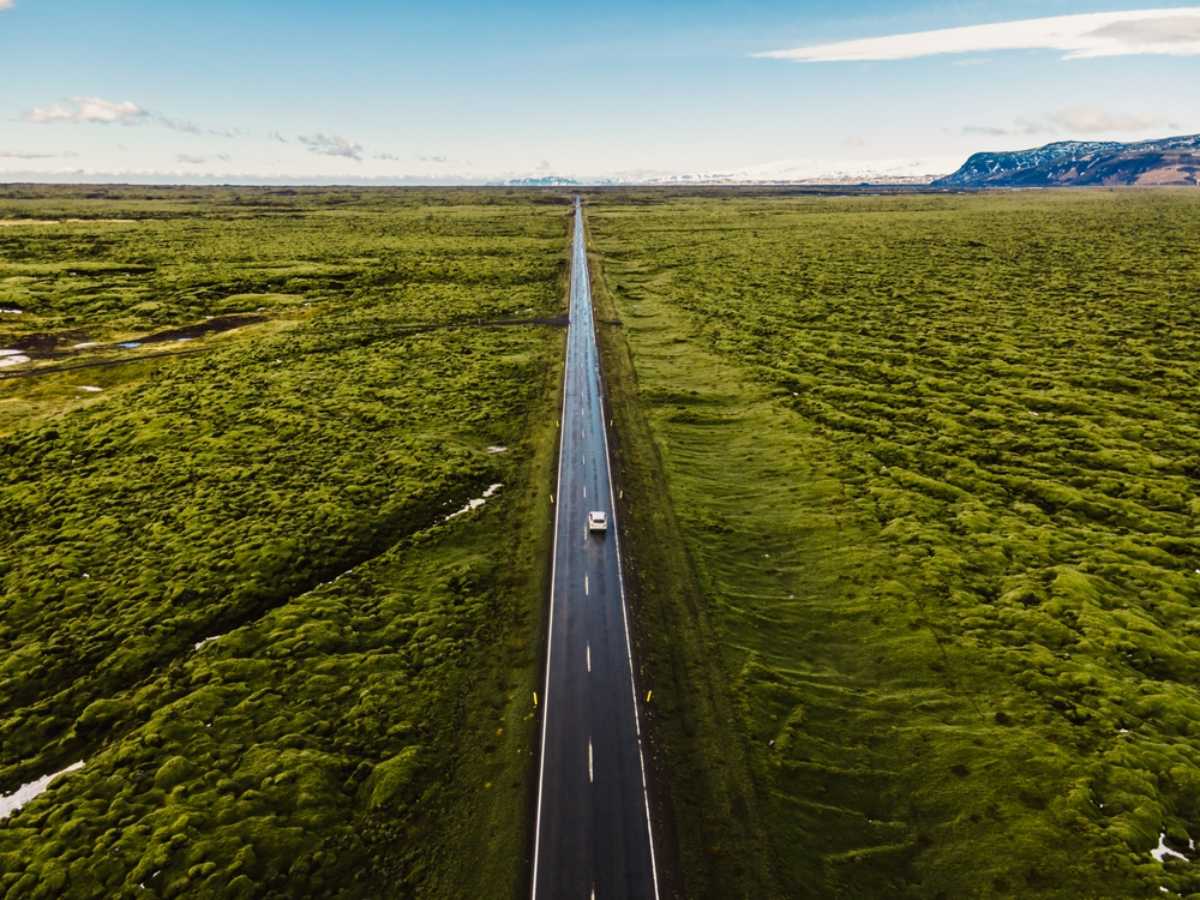
Distances are longer than they look on a map. What seems like a short drive often turns into a full day once you factor in stops. This is where most people miscalculate. You don’t just drive from one place to another. You stop. A lot. Waterfalls, viewpoints, and random pull-offs that weren’t even on your plan.
If you’re trying to fit multiple stops into one stretch, doing it without your own car becomes restrictive fast. It also becomes obvious when your schedule isn’t fixed. If you’re moving between regions or covering more than 150-200 km in a day, you need control over your timing. Tours won’t give you that, and public transport won’t even attempt to.
Then there’s the practical side. If you’re traveling with two or more people, the cost of renting a car in Iceland starts to make sense quickly when shared. This is usually the tipping point. The moment your trip involves distance, multiple stops, or more than one region, having your own car stops being a luxury and becomes the better way to do it.
When You Might Not Need a Rental Car
Should I rent a car in Iceland if I’m only staying in Reykjavík or following a fixed plan? Not necessarily. This is one of the few situations where skipping the rental actually makes sense. If your trip is short, say one or two nights, and you’re based entirely in Reykjavík, you won’t get much value from having a car.
The city is walkable, and most day tours pick up directly from central locations. The same applies if you’ve already booked guided tours for everything. Golden Circle, South Coast, glacier activities. If your days are fully structured, the car will spend more time parked than moving.
It also comes down to comfort. If you’re not confident driving in strong winds or winter conditions, forcing it isn’t worth it. Iceland can be straightforward to drive, until it isn’t. Short stopovers fall into the same category. If you’re just passing through and not planning to explore beyond a limited area, a rental becomes unnecessary.
The honest part? Renting a car you barely use is just a waste of budget. It happens more often than you’d think.
Pros of Renting a Car in Iceland
When you rent a car in Iceland, you’re not just making things easier. You’re taking control of how your trip actually unfolds. That’s the difference.
You’re no longer tied to departure times, fixed routes, or how long you’re allowed to stay somewhere. You decide when to leave, where to stop, and what’s worth your time. That shift becomes obvious the moment your day doesn’t go exactly as planned.
The alternative is structured travel. It works, but it’s predictable. Same stops, same timing, same pace for everyone. Renting a car gives you something different. And that difference is control. Once you’ve experienced that, it’s hard to go back. Here’s where that starts to matter.
Freedom and Flexibility to Explore at Your Own Pace
- Start and stop on your terms - You decide when the day begins and ends, not a departure board or guide schedule. That alone changes how relaxed your trip feels
- Stay longer where it’s actually worth it - Some stops look average on paper and deliver in real life. Having your own car means you’re not forced to move on just when it gets interesting
- Leave quickly when something doesn’t live up to it - Not every stop is a highlight. You’re not stuck waiting around just because it’s on the itinerary
- Avoid crowds by adjusting your timing - Early mornings and late evenings change the experience completely. Same place, fewer people, better conditions
- Make small adjustments throughout the day - Detours, extra stops, skipping sections. You can adapt without reworking your entire plan
- What actually happens - The best moments usually aren’t scheduled. They happen somewhere between the stops you thought mattered most
Access to Remote Destinations Beyond the Tour Routes
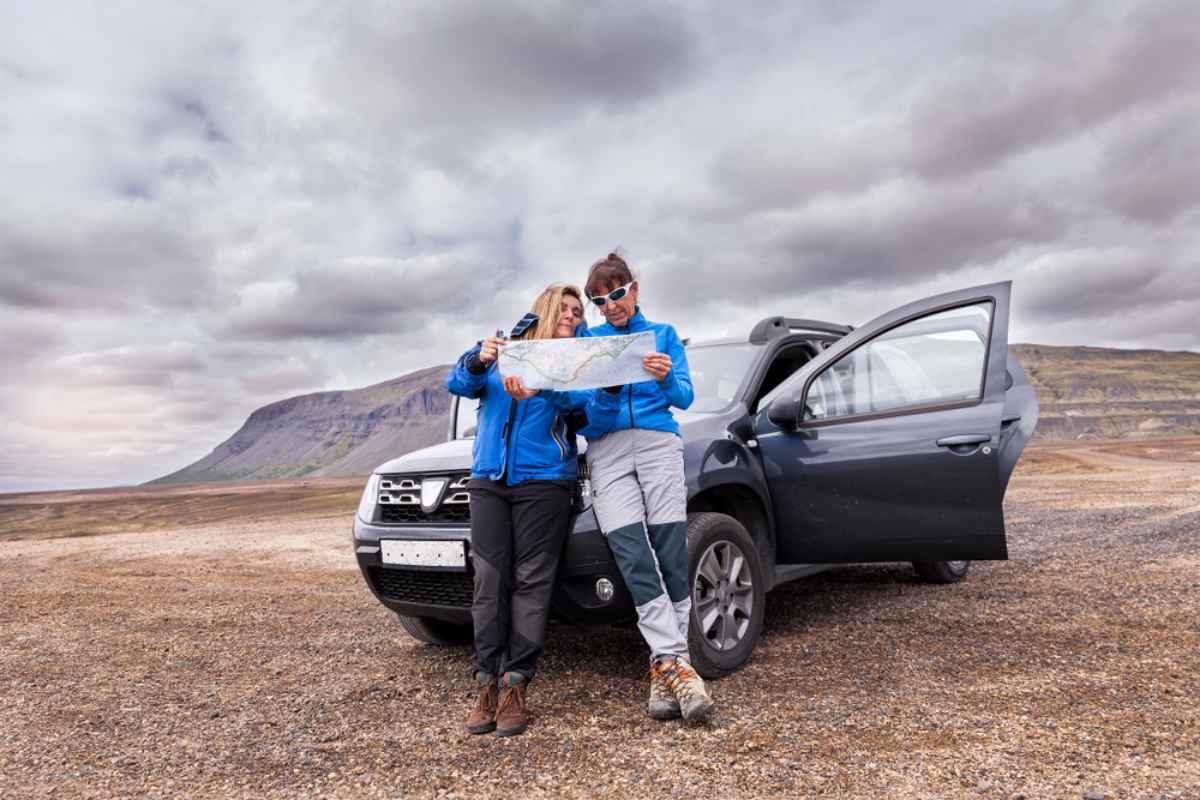
- Reach places tours don’t go - You’re not limited to standard stops like Gullfoss or Skógafoss. Smaller, less obvious locations become part of your route
- Find quieter viewpoints - A short detour often leads to fewer people and a better experience. Not every great spot has a parking lot full of buses
- Take detours without overthinking it - See something interesting? You turn off. No schedule to check, or requesting permission
- Access F-roads when conditions allow - With the right vehicle, you can reach parts of the Highlands that tours either skip or simplify
- Understand the real difference - Bus routes are fixed and repetitive. Self-drive routes change depending on what you decide to explore
- What you’ll notice - Tour travel is predictable. Self-driving isn’t. That unpredictability is usually where the trip gets better
Cost Savings for Couples, Families, and Groups
- The math changes once you’re not alone - A rental car in Iceland has mostly fixed costs. Daily rate, insurance, road tax, and parking. Add more people, and each person pays less
- Simple example - A mid-size 4x4 at $100-$150 per day feels expensive… until you split it. Two people? $50-$75 each. Four people? Suddenly, it’s closer to $25-$38 per person for the same setup
- Tours don’t work like that - You pay per seat, every time. No discounts for sharing space, and no flexibility to justify the cost
- Fuel isn’t what it used to be - Prices have dropped roughly 30% from previous highs, so driving doesn’t eat into your budget the way it used to
- Where it really makes sense - Couples, families, and small groups almost always come out ahead when they split a rental
- Be honest about solo travel - If it’s just you, the advantage disappears. You’re carrying the full cost alone, while everyone else is splitting it**
Challenges to Consider Before Renting
Do I need to rent a car in Iceland when I’m not fully prepared for the conditions? That’s where you pause for a second. Up to this point, it sounds straightforward. More control, better access, fewer restrictions. All true. But it’s not effortless. You’re taking on responsibility the moment you pick up the keys.
Driving here isn’t difficult… until it is. Weather shifts quickly. Wind is stronger than expected. Roads aren’t always forgiving. And if something goes wrong, it’s on you to deal with it.
That doesn’t mean you shouldn’t rent a car. It just means you need to approach it properly. Understand what you’re taking on, not just what you’re gaining. This is where the reality comes in.
Weather and Road Conditions
Wind is the real issue in Iceland’s weather. Not snow, not rain. Strong crosswinds are what catch most people off guard. It affects how the car handles, it makes doors difficult to control, and in exposed areas, it can change driving conditions quickly.
The bigger problem is how fast things shift. You can start your day in clear conditions and end it in low visibility or strong wind without much warning. What looked manageable in the morning doesn’t always stay that way. Roads add another layer. You’ll drive on good paved stretches, but also gravel sections, narrow roads, and coastal routes where conditions feel more extreme.
Season matters. Summer is generally predictable. Winter is not. Ice, snow, and limited daylight change how you approach every drive. Locals check Vedur.is (Icelandic Meteorological Office) and Umferdin.is (real-time traffic information) daily before driving. That’s the difference.
Driving Rules You Should Know
Driving in Iceland is straightforward, but the rules are enforced, and mistakes get expensive quickly. Headlights must be on at all times, regardless of daylight. It’s one of the most common things people forget after picking up the car.
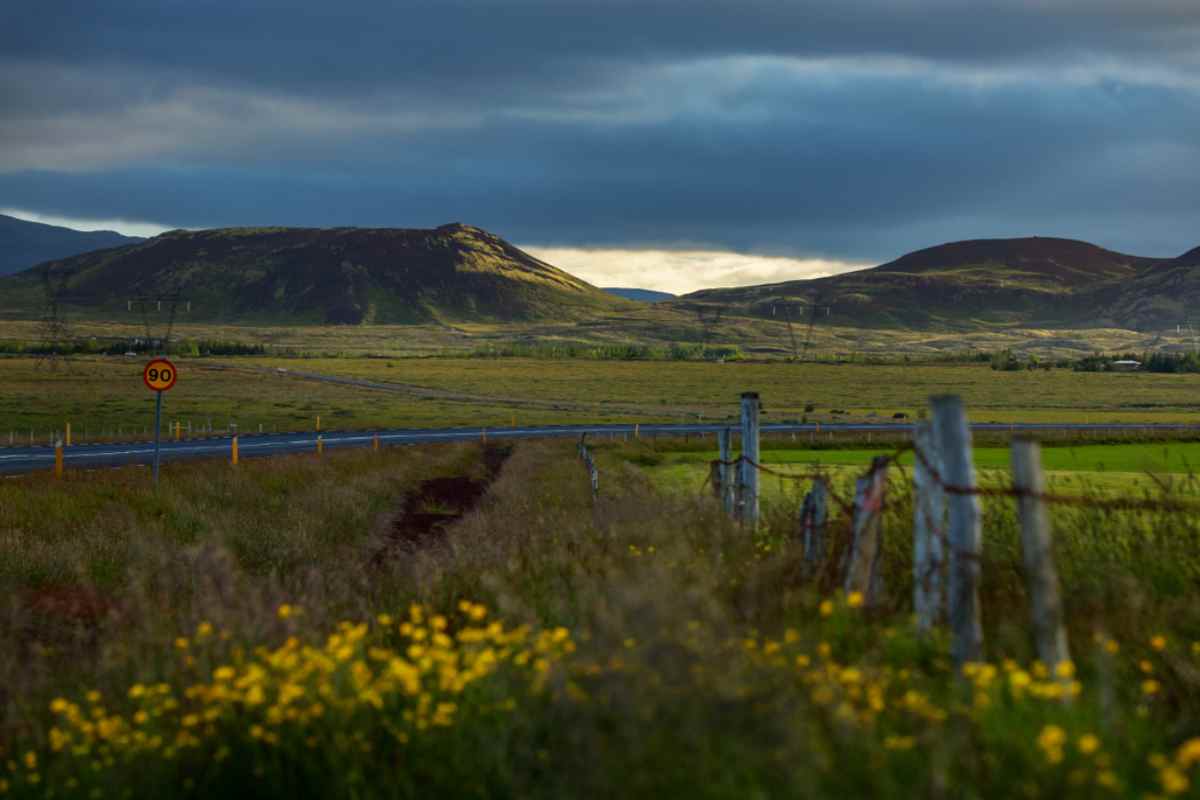
Speed limits are strict and not loosely interpreted. You’re typically looking at around 50 km/h in towns, 80 km/h on gravel roads, and 90 km/h on paved roads. Cameras and roadside checks are common, and fines add up fast.
One-lane bridges are where we see hesitation most often. The rule is simple. The vehicle closest to the bridge goes first. What actually happens is people slow down, second-guess, or both cars try to go at once.
Roundabouts catch people off guard as well. The inside lane has priority. If you’re not used to it, it’s easy to misjudge and cut across another vehicle. Off-road driving is illegal, no exceptions. This isn’t something we’re saying to be cautious. It’s enforced by the Environment and Energy Agency of Iceland, and fines are significant.
Every season, we see cases where people assume a short detour would be fine. It isn’t. Parking also catches people off guard. Paid zones appear in places that don’t look regulated, especially near popular stops. Skipping a payment usually leads to a fine being issued afterward.
Understanding Rental Costs, Insurance, and the 2026 Kilometer Road Tax
Car rental prices in Iceland aren’t fixed. They shift based on season, vehicle type, and how far in advance you book. For a 7 to 10 day trip, you’re typically looking at around $1,500 to $4,000 for a compact car or small SUV in summer. Winter is cheaper. Longer rentals usually bring the daily rate down.
The base price covers the vehicle and standard insurance, but that doesn’t mean you’re fully covered. Basic CDW and liability are usually included, but the excess is high. This is where people get caught off guard.
Most people upgrade. Mid or full coverage reduces the excess significantly, often down to a manageable amount or zero. It also adds protection for things that actually happen here. Gravel damage, wind-related door damage, and sand exposure. These aren’t edge cases.
Now to the 2026 change. Iceland introduced a kilometer-based road tax, charged based on how far you drive. On paper, that means longer trips like the Ring Road increase your total cost, even if your daily rental rate looks low.
Here’s where Cars Iceland handles it differently. Instead of tracking kilometers and adding a variable charge at the end, the road tax is built into a flat daily fee of around $12, included in your quoted price. You see the total upfront. There’s no mileage calculation at return, and no extra line items added later.
That means you can plan your route without thinking about distance-based charges stacking up. The cost is predictable from the start, which is how it should be.
Renting a Car vs. Public Transport vs. Guided Tours
When deciding on car hire in Reykjavik, Iceland, you’re really choosing between three ways to move around the country, each with a different trade-off. Here’s how they compare in practice.
Comparing Costs and Convenience
At this point, the difference isn’t about freedom anymore. It’s about how efficiently you can move through your trip.
With a rental car, you group stops together and cover multiple locations in a single day without needing to plan around external schedules. Distances in Iceland add up quickly, and combining stops efficiently makes a noticeable difference over a 5 to 7-day trip.
Guided tours simplify everything, but they break your itinerary into separate bookings. One day for the Golden Circle, another for the South Coast. Each comes with its own cost and time structure, and combining regions isn’t always practical.
Public transport is the cheapest on paper, but it limits how much you can realistically see in a day. Routes don’t align with most major attractions, and connections aren’t built for sightseeing.
Limitations of Public Transport in Iceland
Do you need to rent a car in Iceland if you’re planning to rely on public transport? In most cases, yes, because it’s not designed for how people actually travel here. Buses connect towns, not attractions. Getting to places like waterfalls, viewpoints, or glacier areas often means you’re dropped far from the actual site, with no practical way to continue.
Timing is the bigger issue. Services are limited, and missing one connection can cost you hours, not minutes. Planning your day around fixed departure times quickly becomes restrictive.
There’s also no ability to combine stops. You’re moving from point to point, not building a route. In practice, it works if you stay in Reykjavík or move between a few main towns. Beyond that, it limits what you can realistically see in the time you have.
When Guided Tours Make More Sense
Guided tours make sense in specific situations. Not as a full replacement, but when they solve a problem you don’t want to deal with yourself.
Short trips are the most obvious case. If you’re here for one or two days, booking a tour is often more practical than organizing a rental you’ll barely use. The same applies in winter if you’re not comfortable driving in wind, snow, or low visibility conditions.
They also work well for activity-based days. Glacier hikes, ice caves, or snowmobiling. These are guided anyway, and it’s easier to join from a central pickup than plan everything around a rental.
What we see quite often is a hybrid approach. Customers rent a car for most of their trip, then book a guided tour for one or two specific days where conditions or logistics make more sense that way.
That’s where tours fit best. They solve specific gaps. They’re not a complete way to explore the country, but used selectively, they work well.
Rental Car vs. Campervan in Iceland
This isn’t about what vehicle is ‘better.’ It’s about how you want your trip to function day to day. A rental car keeps things separate. You drive during the day, then check into accommodation at night. Your route is flexible, but your evenings are predictable. No setup, no campsite planning, no dependency on facilities.
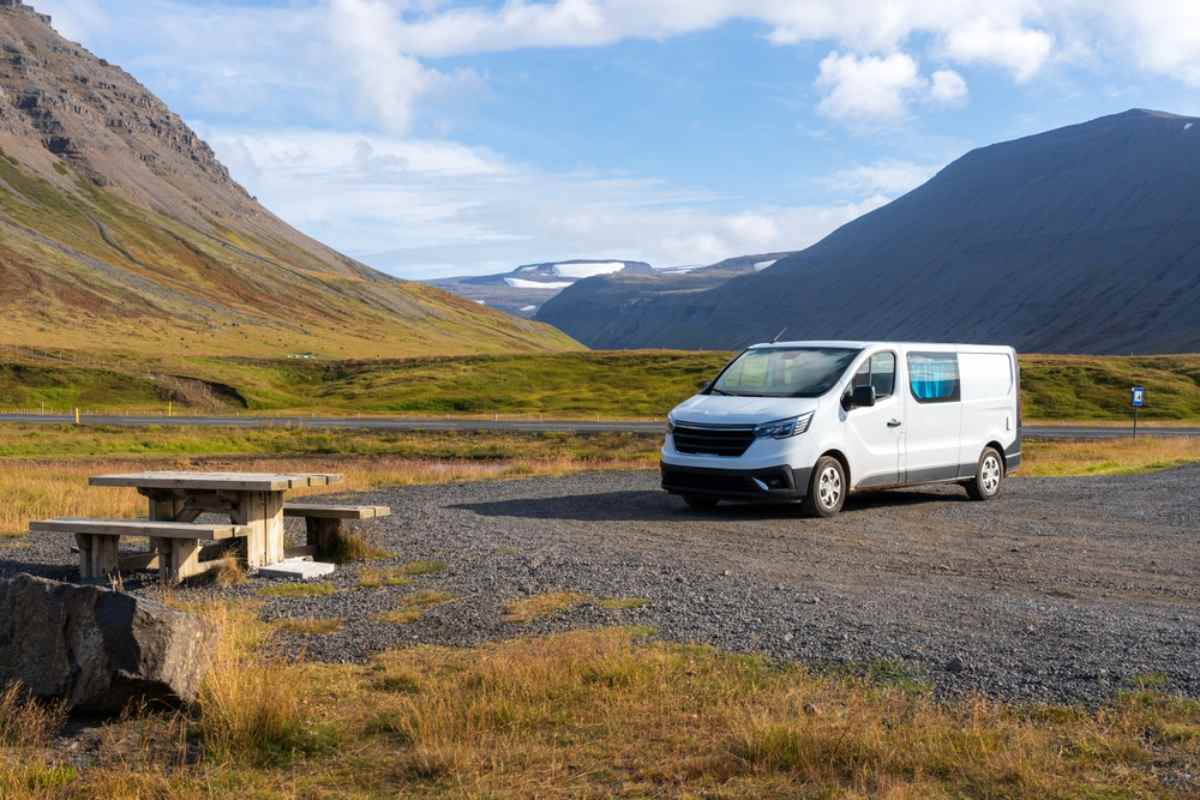
A campervan combines everything into one system. You’re driving, sleeping, and organizing your trip from the same space. That gives you more independence, but it also means you’re working around campsite locations, availability, and basic logistics like showers and electricity.
Where people misjudge this is thinking that campervans are always the easier or cheaper option. They’re not. They work best on longer trips where you’re moving continuously and want to control accommodation costs.
What we see in practice is simple. Short to mid-length trips tend to work better with a rental car. Campervans make more sense when the trip itself is built around that lifestyle.
Choosing the Right Vehicle for Your Trip
Not all cars are interchangeable in Iceland. The right choice depends on where you’re going and when you’re going.
A vehicle that works perfectly on the Ring Road in summer can quickly become the wrong choice in winter or on rougher routes. This is where most booking mistakes happen. People choose based on price or size, not on conditions.
You need to match the vehicle to your route and the season. Paved roads, gravel sections, Highlands access, winter driving. Each changes what you actually need.
Getting this right upfront avoids problems later. Getting it wrong usually shows up once you’re already on the road.
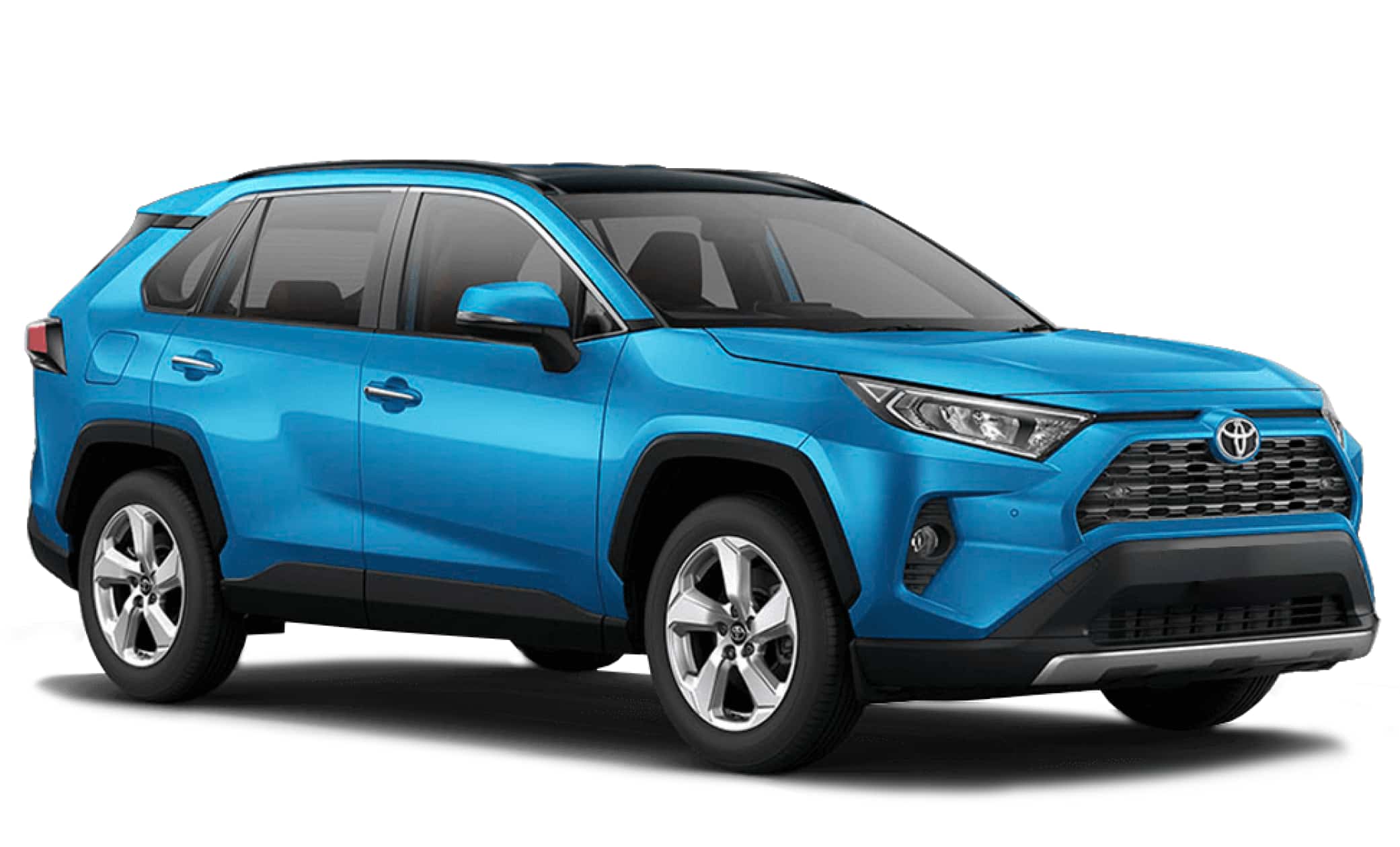
4x4s and SUVs for F-Roads, Highlands, and Winter
Should I rent a car in Iceland if I’m planning to travel into the Highlands or in winter? This is where a 4x4 or SUV stops being optional. F-roads require a 4x4 by law. These are rough, unpaved routes with river crossings, loose gravel, and uneven surfaces.
A standard car isn’t allowed there, and even if it were, it wouldn’t handle the conditions. In winter, it’s less about access and more about control. Snow, ice, and strong winds make driving unpredictable. A 4x4 gives you better traction and stability, especially outside main roads.
Ground clearance also matters more than people expect. Even on non-F-roads, you’ll encounter uneven surfaces that smaller cars struggle with. The most common mistake we see is booking based on price instead of conditions. It usually becomes a problem once the trip has already started.
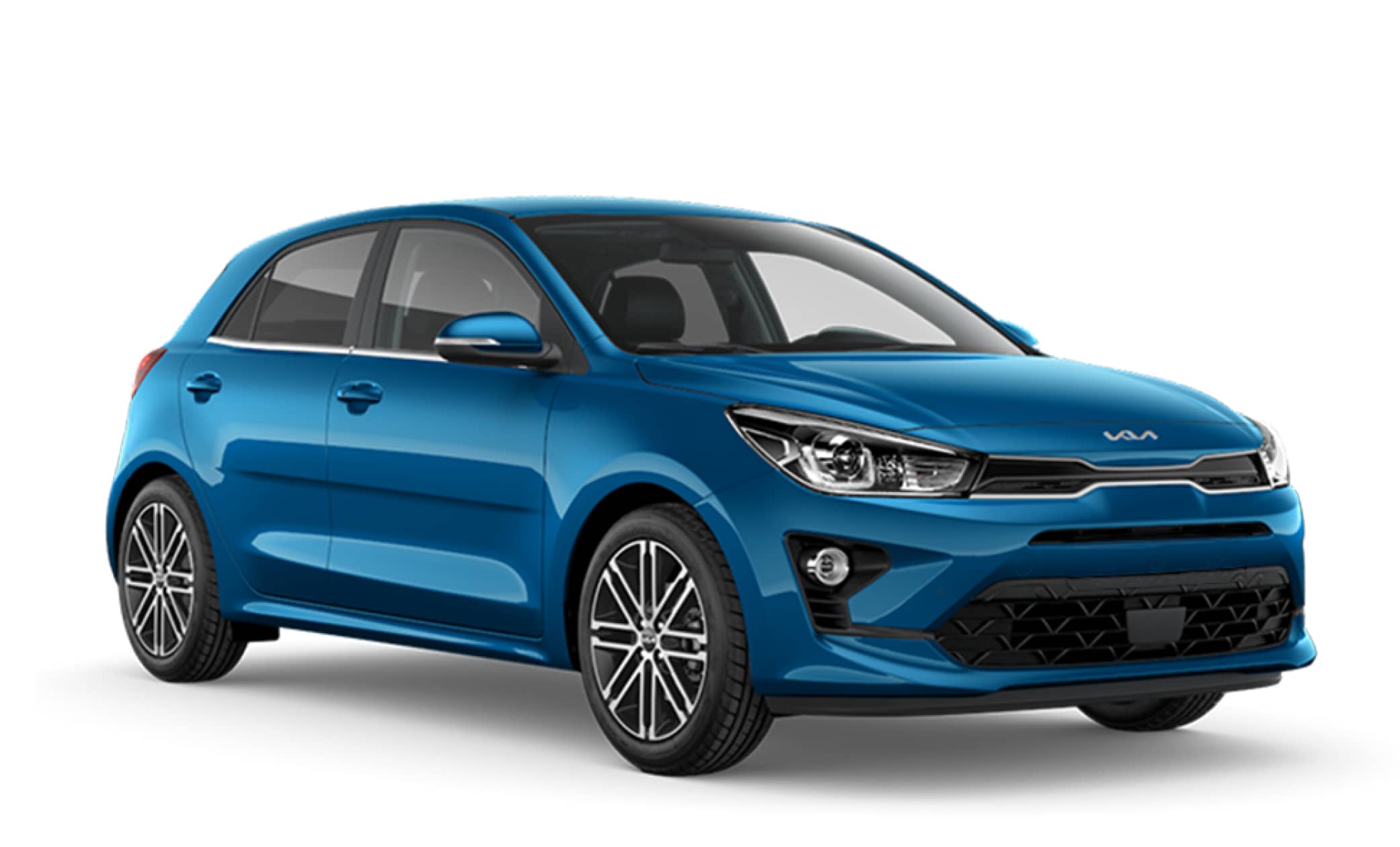
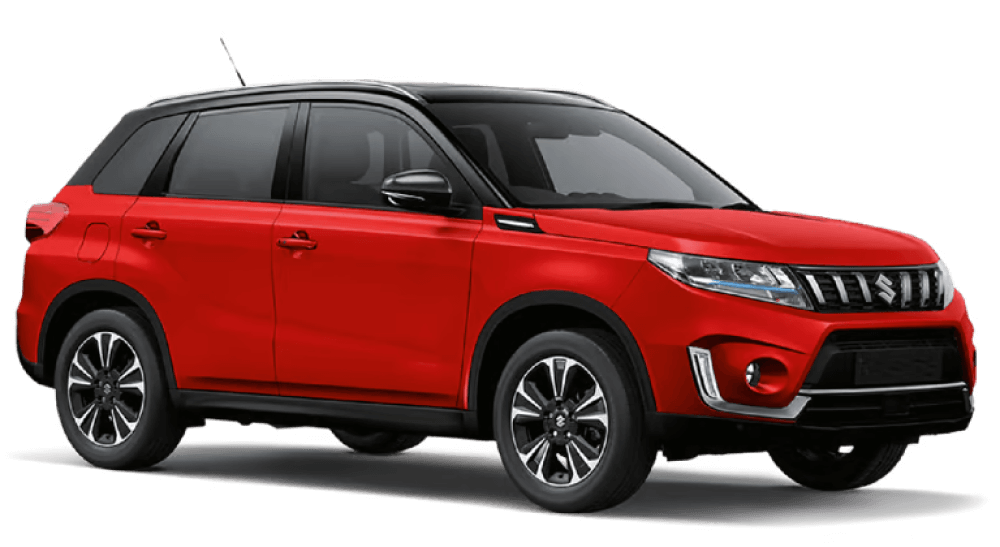
Economy Cars for the Ring Road and Golden Circle
Economy cars are the default choice for most trips, especially if your route stays on the Ring Road and the Golden Circle. These are paved, well-maintained roads where you don’t need extra clearance or a larger vehicle to get around comfortably.
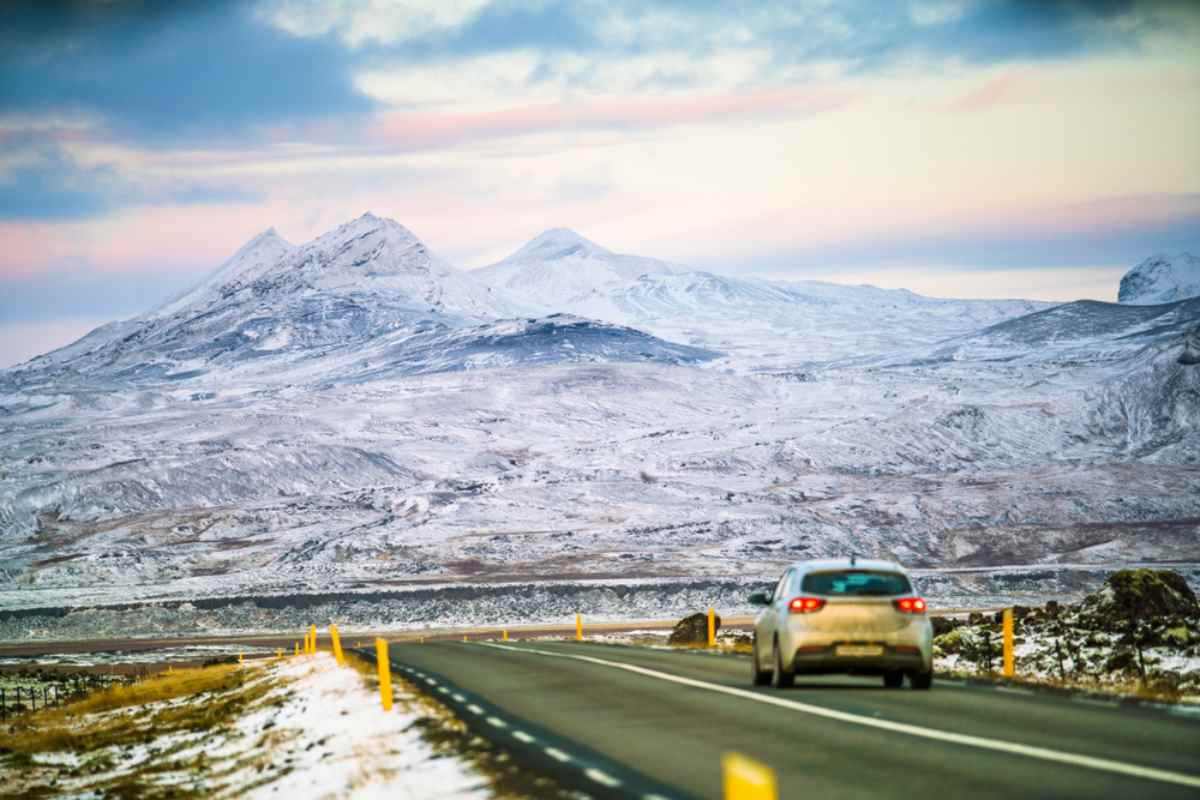
The main advantage is cost. Lower daily rates and better fuel efficiency make a noticeable difference over a 7 to 10-day trip, particularly in summer when demand is higher. This is also when economy cars make the most sense.
Longer daylight hours and more stable road conditions reduce the need for a 4x4, which is why this is the most common booking we see at Cars Iceland during the summer months.
Minivans for Families and Larger Groups
Minivans are the practical option once you’re traveling with more than three or four people. It’s less about driving and more about space. Luggage, gear, and people all fit without compromise. Comfort becomes the main advantage.
Longer drives are common in Iceland, and having proper seating space makes a noticeable difference over multiple days. You’re not dealing with cramped layouts or limited storage. From a cost perspective, this is where it balances out.
The daily rate is higher, but once you split it across a group, it becomes comparable to smaller vehicles on a per-person basis. In practice, this is what families and small groups tend to book when they want to keep everyone together without overcomplicating logistics.
Best Time to Rent a Car in Iceland
The best time to rent a car in Iceland depends on the kind of driving you’re prepared for and the type of trip you want to do.
Driving conditions vary significantly throughout the year. What feels simple in summer can become more demanding in winter, even on the same routes.
This directly affects your vehicle choice and how you plan your days. Road conditions, daylight hours, and weather stability all shift with the seasons, and those factors determine what’s realistic.
Most planning decisions come back to this. Not just when to visit, but how you’ll actually get around once you’re here. Here’s how it changes depending on the season.
Summer: May to September
Summer in Iceland is the easiest time to rent a car and drive without complications. Roads are clear, conditions are stable, and most routes are fully accessible, including the Highlands once F-roads open.
Long daylight hours change how you plan your days. You’re not limited by sunset, which means you can cover more ground, spread out your stops, and avoid rushing between locations.
This is also when most people visit. Demand is high, especially for smaller cars and campervans. The most common mistake we see is leaving bookings too late and ending up with limited options or higher prices.
If you’re planning a summer trip, booking early matters. It gives you access to the right vehicle for your route, not just what’s left. From a driving perspective, this is the most straightforward season. From a planning perspective, it’s the most competitive.
Winter: October to April
Driving in winter in Iceland is when renting a car requires a different approach. Conditions are more demanding, and you need to be prepared for them. Roads can be icy, snow-covered, or temporarily closed, especially outside main routes.
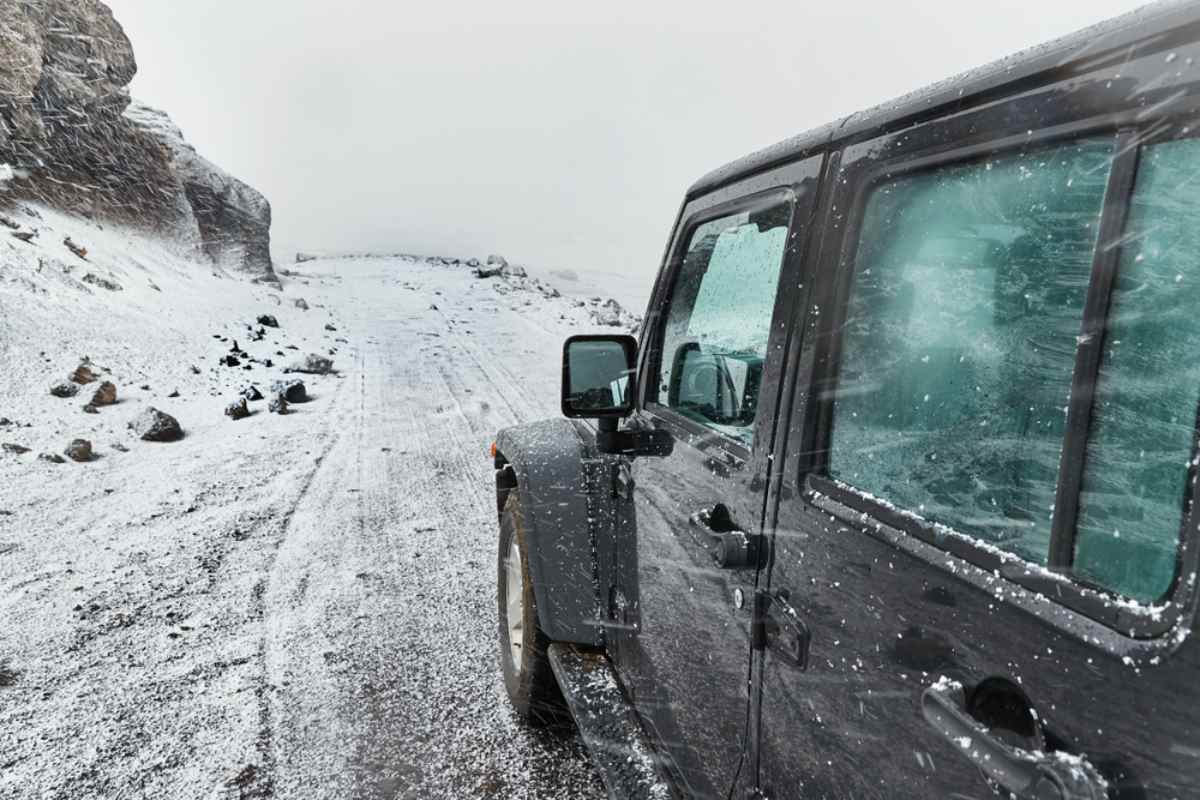
Wind becomes a bigger factor, and visibility can change quickly. This isn’t constant, but it happens often enough that you need to plan around it. Daylight is limited. In the middle of winter, you’re working with just a few hours of usable light, which reduces how much you can realistically cover in a day.
The trade-off is the Northern Lights. Winter gives you the best chance to see them, which is why many people still choose this season. A 4x4 is strongly recommended, even if you’re staying on main roads. More importantly, flexibility matters. Fixed plans don’t work well in winter. You need room to adjust based on conditions.
How to Rent a Car in Iceland: Picking Up at Keflavík Airport
Renting a car in Iceland with Cars Iceland is straightforward, but knowing how the process works upfront makes it smoother from the start. Most customers pick up at Keflavík Airport. After landing, you head to the shuttle area outside the terminal.
Our complimentary shuttle runs regularly and takes you directly to the Cars Iceland office, a few minutes away. If you prefer, you can also go directly to the office or choose a meet and greet option where a team member assists you on arrival. The KEF location operates 24/7, so late-night or early-morning arrivals aren’t an issue.
Your booking is tied to your arrival time, so the car is ready when you are. At the office, we verify your driver’s license, confirm your booking, and process the card authorization. We also walk you through your selected insurance so there’s no confusion about coverage.
Then comes the handover. Our team shows you the vehicle and notes the existing condition, but you should still do your own check. Walk around the car, take photos or a quick video, and make sure everything is clear before you leave. If you’re staying in Reykjavík first, you can choose city pickup instead and start your rental later.
FAQs About Renting a Car in Iceland
Should I rent a car in Iceland if I’m only doing tours?
No. If your itinerary is fully guided, the car will mostly sit unused. Tours handle transport, so renting adds cost without real benefit.
Is renting a car in Iceland expensive in 2026?
It depends on the season and the vehicle. Expect $1,500–$4,000 for 7–10 days in summer. Costs are more predictable now with clearer pricing structures.
How does the kilometer road tax affect you?
At Cars Iceland, it’s included as a flat daily fee. You don’t pay per kilometer separately or deal with extra charges on return.
Is car hire in Reykjavik, Iceland, better than airport pickup?
Only if you’re staying in the city first. Otherwise, picking up at Keflavík Airport is more practical and avoids unnecessary transfers later.
Do you need a 4x4 in summer?
Not for main routes like the Ring Road. You only need a 4x4 if you plan to drive F-roads or access the Highlands.
Can you drive the Ring Road in a small car?
Yes. In summer, a standard economy car is enough for the full Ring Road, as it’s paved and well-maintained.
Is it safe to drive in Iceland in winter?
It can be, but conditions are more demanding. A 4x4 is recommended, and you need to adjust plans based on weather and road conditions.
What insurance do you actually need?
Basic coverage is included, but most people upgrade. Protection against gravel, wind, and sand damage is practical, not excessive.
Should you book early or at the last minute?
Book early, especially for summer. Waiting limits your options and usually means paying more for whatever vehicles are still available.
Should You Rent a Car in Iceland? The Verdict
Should I rent a car in Iceland? In most cases, yes, if you actually want to see more than just Reykjavík.
The decision comes down to a few things. How long you’re staying, where you’re going, and how comfortable you are driving in changing conditions. If your trip involves multiple regions, longer distances, or any level of flexibility, a rental car is the better option.
Tours and public transport work in specific situations, but they limit how much you can realistically cover. Most people choose to self-drive for a reason. It’s simply the more effective way to experience Iceland.