

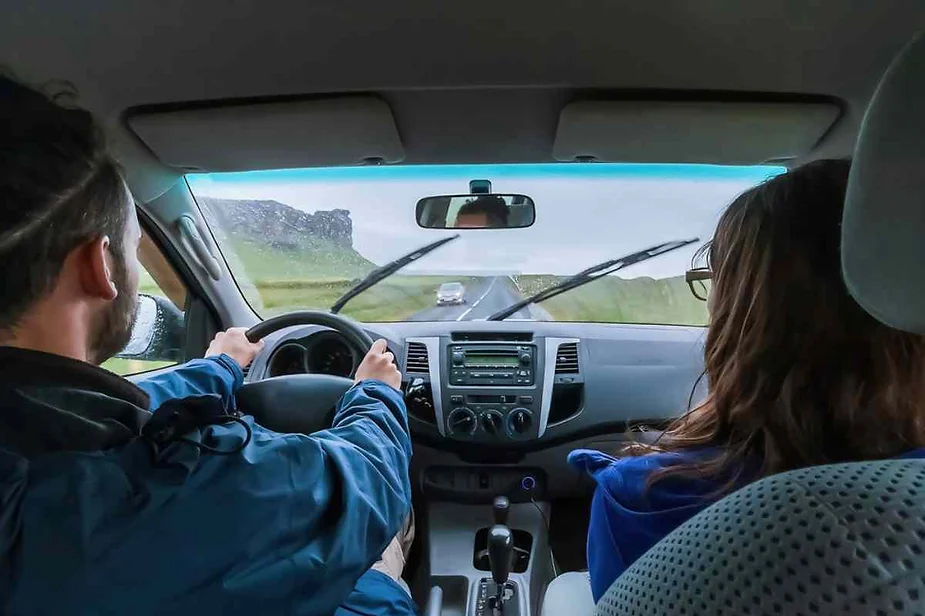


When planning your trip to Iceland, whether it’s your first time or you’ve been there before, one of the first choices you must make is whether to rent a car or take tours. For many travelers, self-driving is the best choice for many reasons, primarily the flexibility you gain. You are free to go where you wish and spend as long as you want at each location, changing your plans as needed.
However, if you want to self-drive, your next question is: which is the best car to rent in Iceland? The answer to this question will depend on several factors. Let’s go through these elements to help you make an informed decision before you book.
The Quick Answer: What Most Travelers Should Rent (By Season and Route)
The season plays a major role in what you choose:
- Summer
- 2WD is suitable for the main roads and popular routes
- Upgrade to a 4x4 if you plan to drive F-roads
- Shoulder Season (April-May and September-October)
- A small AWD or 4x4 SUV is best due to changing weather conditions
- Winter
- 4x4 SUV is the best option to deal with snow and ice
However, season isn’t your only consideration. In Iceland, your car choice revolves around three main road types: paved, gravel, and F-road.
- Ring Road (Route 1)
- 2WD is fine for summer or shoulder seasons
- 4x4 is highly recommended for winter
- Highlands/F-Roads
- 4x4 is required
- 2WD is not allowed and voids your insurance
- Gravel Secondary Roads
- 2WD can be OK in the summer
- 4x4 is better for the shoulder season and winter
How to choose the best car for Iceland
Step 1: Match the Car to Your Itinerary, Not the Other Way Around
Some travelers make the mistake of choosing a vehicle before they make any other plans. However, if you do this, you may find that you can’t get to some of the places you wanted to go during your trip. Therefore, we recommend you build an itinerary before you choose your car. This method is better because you can find a vehicle that will help you tick off all the boxes, rather than having to build your itinerary around the car you have.
Ring Road (Route 1) Mostly Paved: When 2WD Is Enough
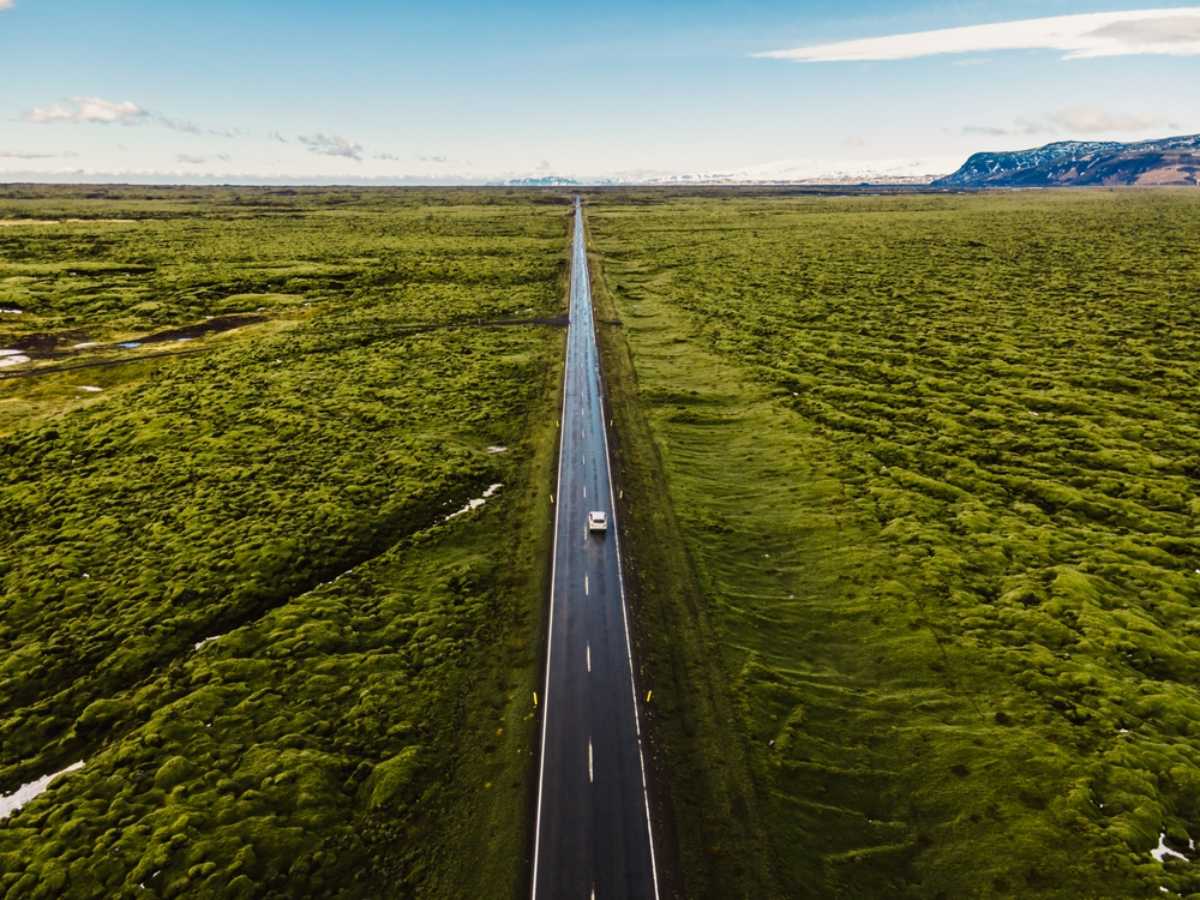
The Ring Road, labeled Route 1, is a paved route that covers about 1,322 kilometers (828 miles) around the exterior of the island, minus the Westfjords and several other detours. The road is well-maintained, even in winter, but parts of it can still be closed when conditions require it. For many visitors, a 2WD is enough, especially if:
- You’re visiting late spring through early fall (May through September)
- You’re only stopping at major attractions and don’t plan significant detours
- You don’t mind gravel secondary roads for small detours
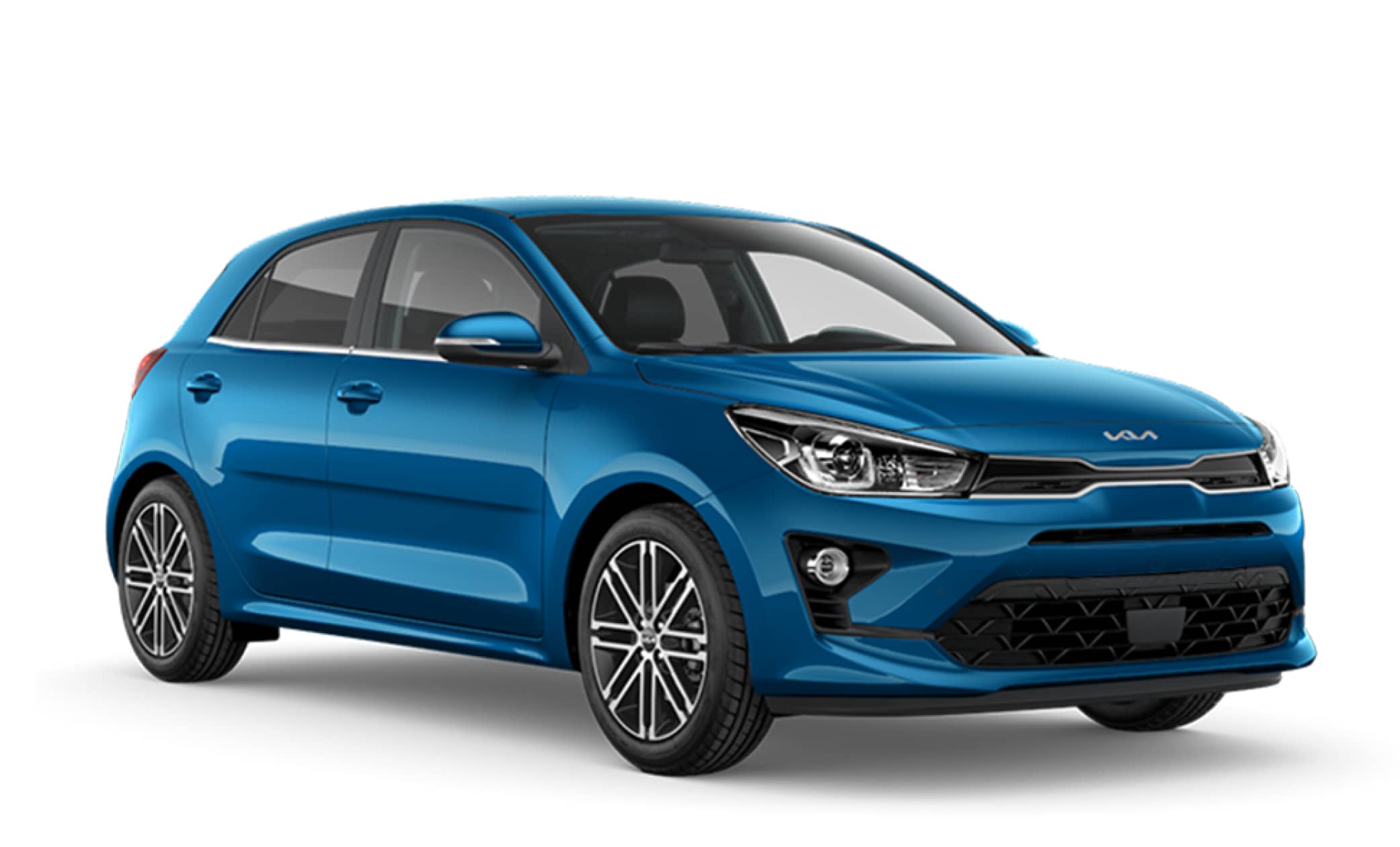
A 2WD like a Toyota Aygo or Kia Rio is sufficient because road conditions during this time of year are generally good. Renting a 2WD for a summer trip on the main roadways makes sense and is a cost-effective way to see the country.
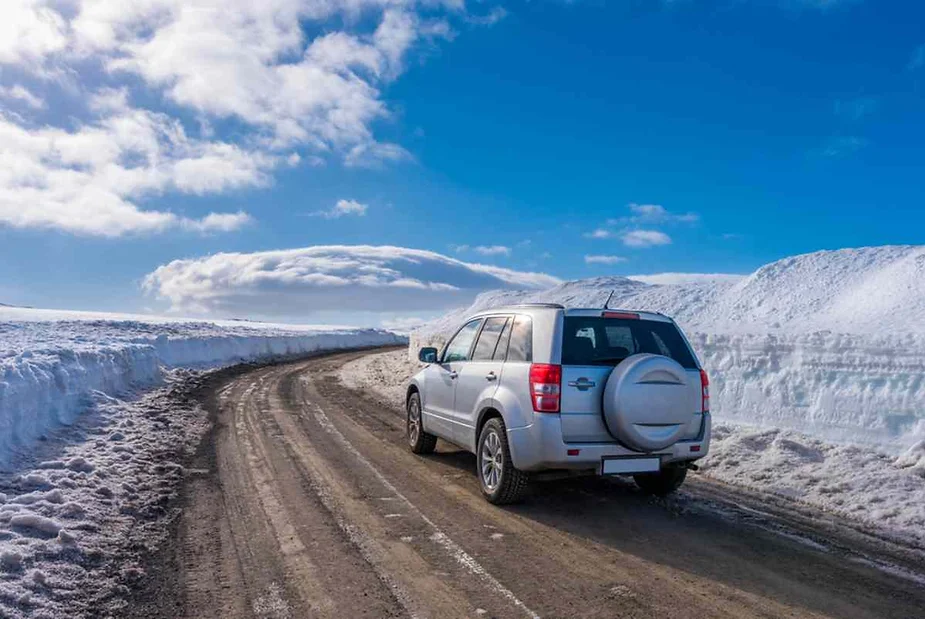
Winter Ring Road: When AWD Becomes the Safer Default
Although the Ring Road is generally well-maintained during winter, it is still safer to rent an AWD or 4x4 to give you more traction on the road. We recommend this option if:
- You’re traveling between November and March
- You plan to drive outside of Reykjavík or between towns
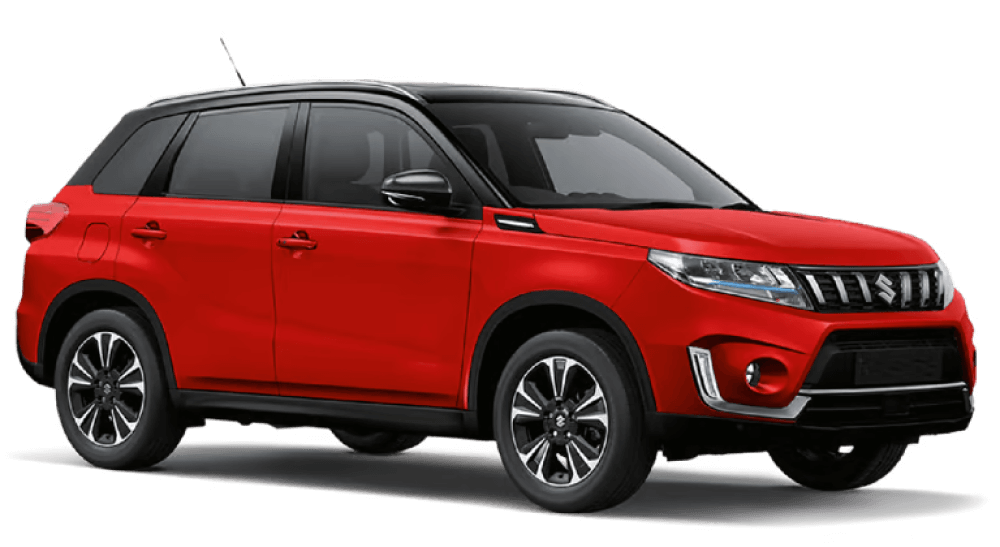
Road conditions can be icy or snowy, and visitors often underestimate how windy conditions can be. Roads can close quickly if there are weather warnings or the weather suddenly shifts. Having a 4x4 or AWD, like a Suzuki Vitara or Hyundai Tucson, can help you navigate these challenging conditions more easily. However, you still need to respect closures and drive carefully.
Westfjords and Remote Regions: Why Clearance and Stability Matter
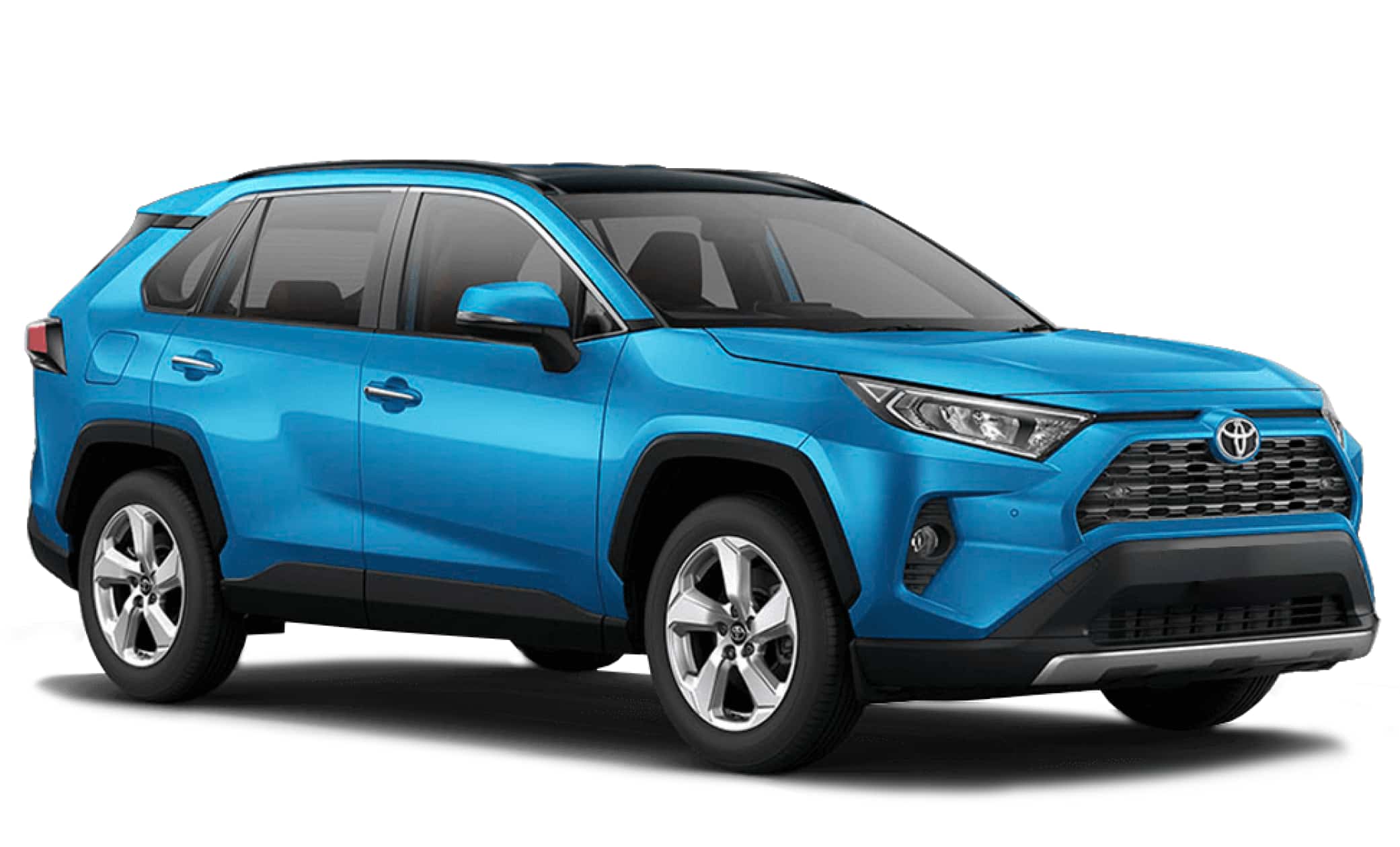
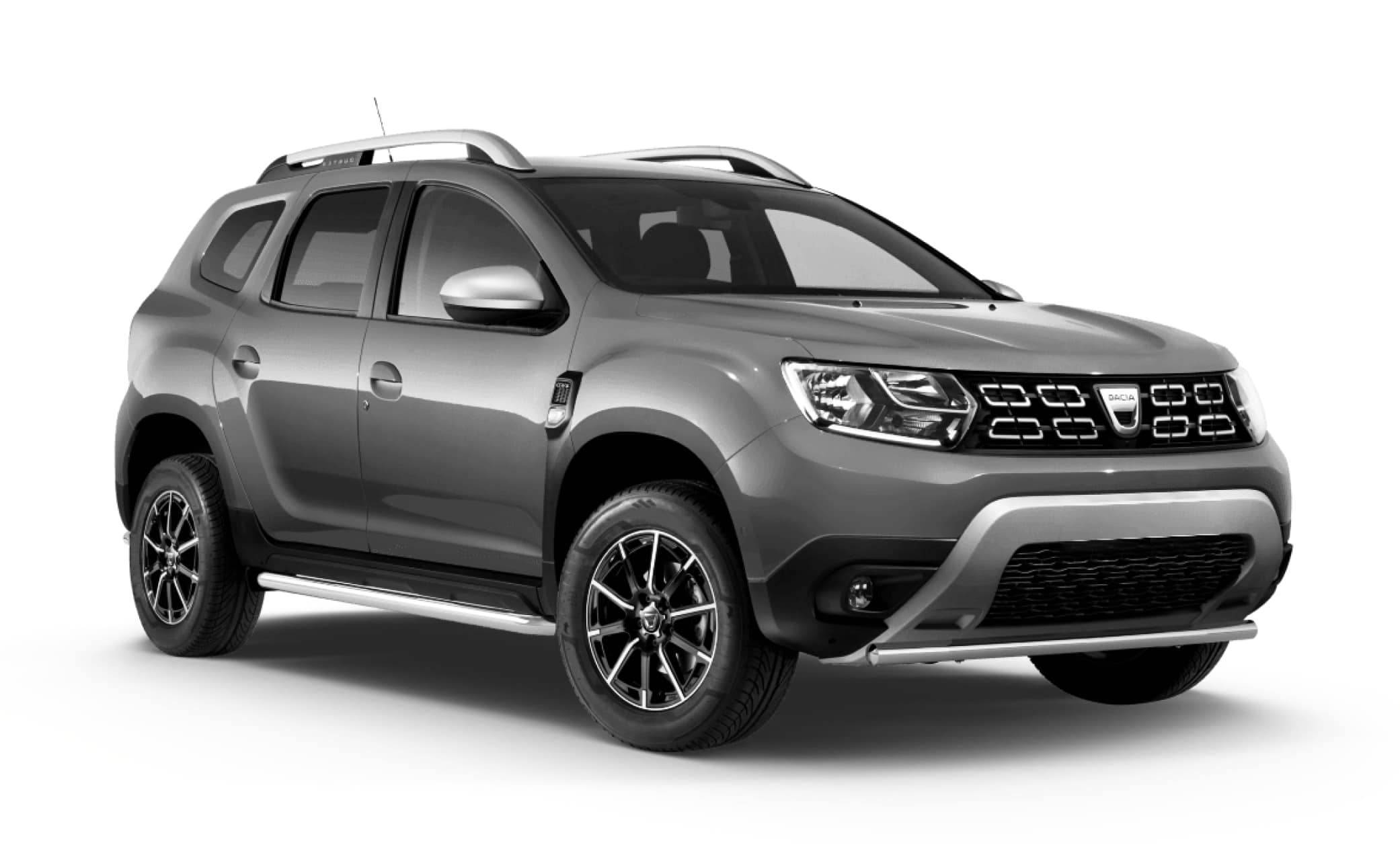
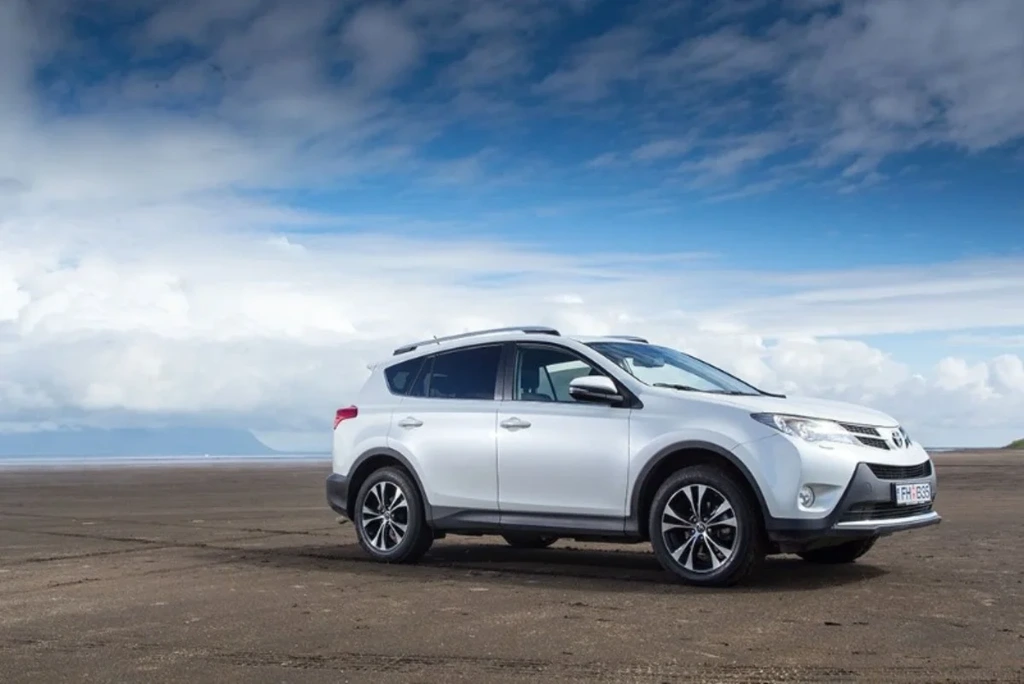
If your journey takes you beyond the Ring Road into the Westfjords or other remote regions other than the Highlands, renting a 4x4 or AWD is essential, no matter the time of year. You should rent a small SUV or 4x4 like a Dacia Duster or Toyota RAV4 if:
- You’re exploring remote peninsulas and coastal roads
- Your route covers long stretches of gravel roads
- You want the flexibility of adding lesser-known stops
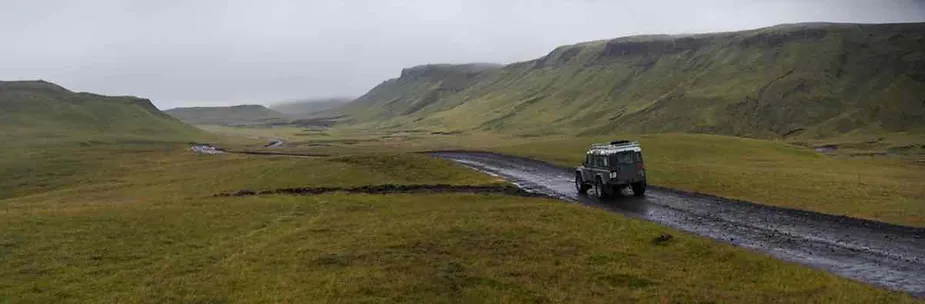
Many roads in this remote region are gravel roads that may have potholes or larger stones, making ground clearance essential. You will need to drive narrow roads, winding roads with steep inclines, few guardrails, and limited services. Stability is critical.
Highlands and F-roads: When You Truly Need a 4x4 (and When You Shouldn’t Go)
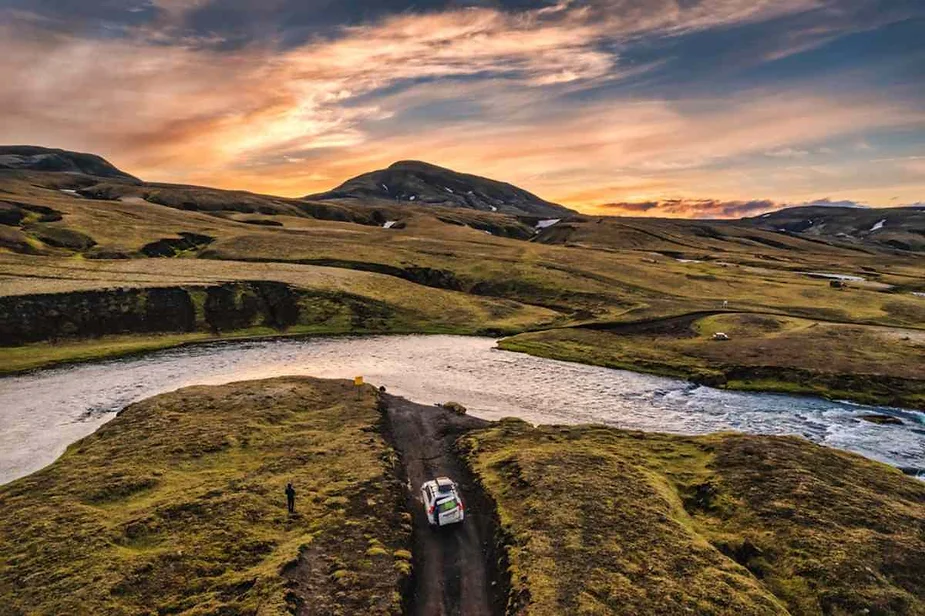
A trip into the Highlands on the F-roads can be an exciting experience, but if these routes are in your plans, you absolutely must rent a 4x4 with good ground clearance like a Toyota Land Cruiser or Land Rover Defender. These rough gravel roads are often filled with potholes, standing water, larger rocks, and washboarding. You will need a 4x4 if:
- You will drive on any F-road
- Your route includes water crossings, steep inclines, or smaller tracks
F-roads into the Highlands are only open from about mid-June through mid-September, but the actual dates vary depending on conditions. Even during the open season, road conditions, including water levels, change daily and sometimes hourly. It is forbidden to drive these roads with a 2WD, and not all 4x4s are allowed.
You should not drive into the Highlands if:
- You are inexperienced with rough road conditions or river crossings
- Weather is unstable
- You’re traveling outside the summer season
Step 2: Understand Iceland Road and Weather Realities That Change the “Best Car”
The best car to rent in Iceland changes based on numerous factors, particularly road and weather conditions. This means there’s no single right answer to this important question. Understanding what to expect from Iceland’s roads and weather is the key to making the best decision for your trip.
At Cars Iceland, we always recommend that you check the weather and road conditions before you start your day and throughout your travels. Only use reputable sites like:
- Vedur.is for weather
- Road.is for road conditions
- SafeTravel.is for weather and safety warnings
Wind, Black Ice, and Sudden Weather Shifts
Iceland’s weather is constantly changing, no matter the time of year. Wind can happen at any time, but black ice and drifting snow are bigger concerns in the winter months. Even if the weather looks fantastic when you start your day, it can shift suddenly. Sudden wind gusts can push your car off the road. Fast-moving storms can cause visibility issues, and dropping temperatures can lead to black ice.
The following criteria will help you choose the best vehicle for expected weather conditions:
- Heavier 4x4s offer better stability in sudden wind gusts
- AWD and 4x4 vehicles give better traction on snow and ice
- Smaller 2WD vehicles can more easily blow off the road or lose traction
Gravel Roads, Potholes, and Flying Stones
F-roads aren’t the only gravel roads you may encounter on your trip. Many secondary roads in the countryside are also unpaved. When driving on these roads, you must be mindful of potholes and maintain a proper distance to avoid damage from flying stones as much as possible.
Common gravel road encounters include:
- Detours off paved roads to approach waterfalls, viewpoints, and hot springs
- Long road sections in remote locations like the Westfjords
Sometimes the transition between paved and gravel can take you by surprise. As you continue on the gravel road, other vehicles can kick up stones that can crack your windshield or chip the paint. Therefore, you should keep the following in mind:
- Higher ground clearance reduces damage risks
- Better suspension gives you more control and comfort
- Larger tires improve your grip on the road
Sand/Ash Conditions and Why They’re Different from Normal Dust
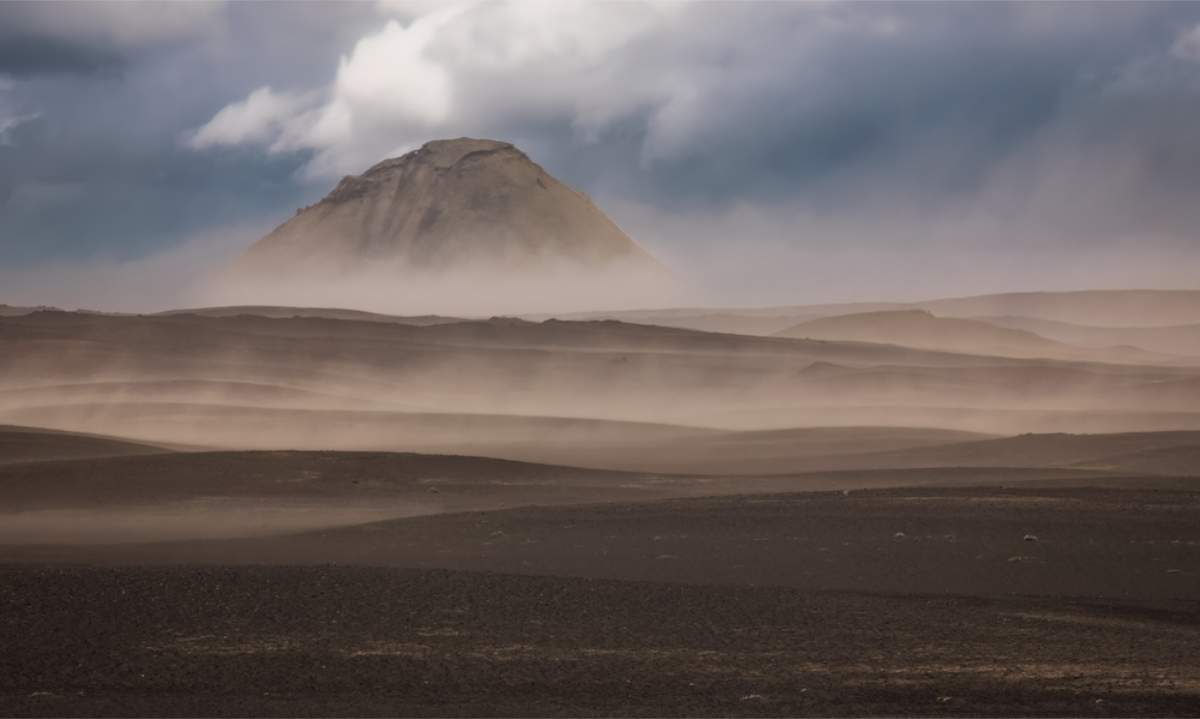
Most of Iceland is made of volcanic sand, which is different from the normal dirt, sand, and dust found in other parts of the world. While a volcanic eruption is unlikely to impact your trip, you can still fall victim to sand and ash storms if:
- You travel the South Coast, near glaciers, or through open areas
- You will drive through the open, windy sections in the northeast
Volcanic sand and ash tend to be more abrasive than other types, effectively sandblasting the paint and damaging glass. In this situation, insurance matters more than the type of vehicle you choose. Be sure to add the sand and ash insurance when renting your vehicle.
Step 3: Choose the Right Rental Category
There are several categories of rental cars we offer at Cars Iceland. Below, we will explore the different options we offer and what we recommend based on the time of year and the places you plan to travel.
Economy 2WD (City + Short Day Trips)
If you want to keep your budget low, an economy 2WD vehicle is one of the best ways to achieve this goal. This type of vehicle is perfect for:
- Staying in Reykjavík
- Taking short drives like the Golden Circle
- Traveling in summer with minimal detours
These cars often come at the lowest price and have better fuel efficiency. They handle well on paved roads and are easy to park. However, they can struggle in strong winds and be uncomfortable on gravel roads. They aren’t a good choice for winter or visiting more remote locations.
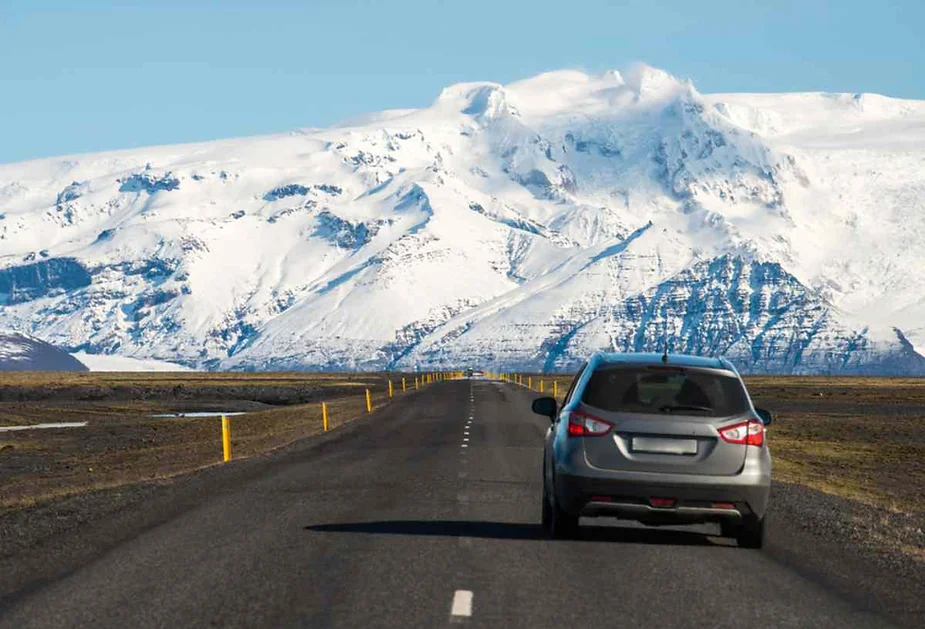
Compact SUV (The Iceland “Sweet Spot” for Many Itineraries)
Most visitors do well to rent a compact SUV to give them a bit more comfort and space on their journey. These vehicles are best for:
- Full Ring Road trips
- Driving in the shoulder seasons
- Getting more flexibility without a high price tag
Compact SUVs have slightly higher ground clearance and offer better stability against high winds and slippery conditions. They are a great choice for managing Iceland’s changing weather conditions and handle well on gravel roads.
AWD/4x4 SUV (Winter Confidence + Rougher Roads)
Choosing an AWD or 4x4 SUV may cost more in the long run, but you’ll enjoy many benefits with this choice. They are your best option for:
- Winter driving
- Going beyond the main tourist routes, including the Highlands
- Navigating mixed weather or unpredictable conditions
These vehicles generally get better traction in snowy and icy conditions and have better handling on gravel roads and in poor weather. A 4x4 is an absolute must if you plan to drive in the Highlands.
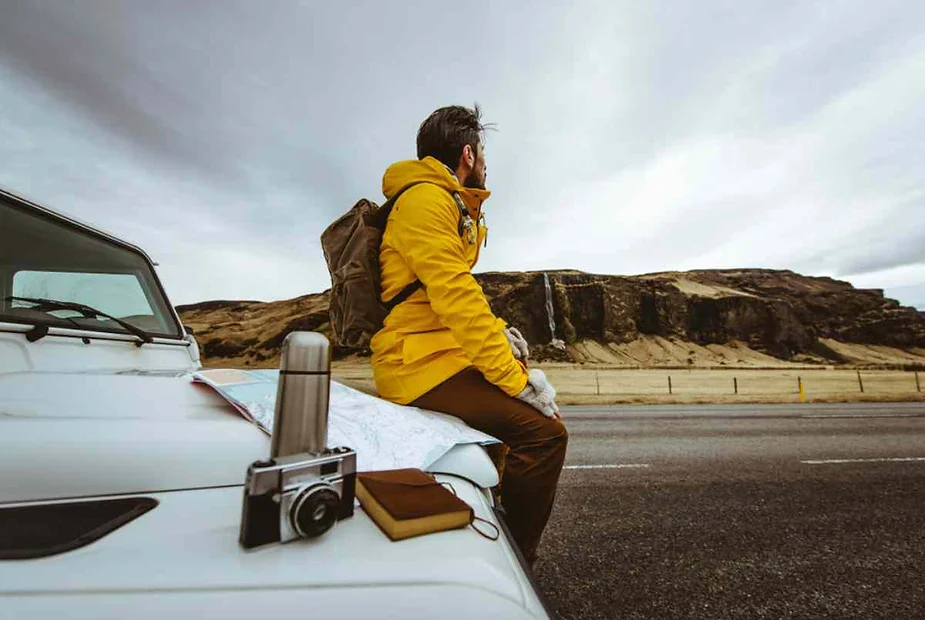
Large SUV / Premium 4x4: Who Actually Benefits (and Who Pays Extra for Nothing)
Some visitors wonder if a large SUV or premium 4x4 is the best option to go wherever they want. The answer is, it depends. This type of rental may be best for you if you:
- Need more space for passengers or luggage
- Want to tackle the Highlands and F-roads
- Prefer more comfort on your journey
A large SUV or premium 4x4 offers maximum ground clearance and power, making it easier to tackle the more challenging road and river crossings. However, you don’t need to spend the money on one if you are only driving the Ring Road, especially in the summer, want to visit the main sights, or prefer to save money on your rental and fuel costs.
Best Cars to Rent in Iceland by Scenario
Now, let’s dive deeper into our fleet and find out which are the best cars to rent in Iceland based on the type of driving you intend to do. The following will make it easier to choose the right vehicle for your needs.
Best for Reykjavík + Golden Circle
Driving in the city and around the Golden Circle is some of the easiest driving you will experience in Iceland. For this reason, you only need to rent a 2WD economy car if this is your itinerary. A smaller car also works well if you want to drive the Ring Road in summer and don’t plan to take many detours.
If you’re planning Reykjavík and the Golden Circle, rent a:
- Toyota Aygo
- Toyota Yaris
- Kia Rio
- Kia Cee’d
These vehicles are fully capable on paved roads, easy to handle, and easy to park. They are also fuel-efficient, keeping your fuel costs low.
Best for South Coast + Ring Road in Summer
If you are planning to drive the South Coast or the entire Ring Road in summer, a compact car or small SUV is all you really need. You can see everything close to the Ring Road and all the South Coast highlights without overspending on a vehicle.
If you’re planning to drive the South Coast or Ring Road in the summer, rent a:
- Toyota Yaris
- Kia Rio
- Opel Corsa Electric
- Suzuki Vitara
- Kia Sportage
A compact car or small SUV is fully capable of handling the Ring Road and some gravel offshoots that will take you to the most popular destinations. A 2WD is all that is needed, but upgrading to AWD can give you a little more comfort.
Best for Ring Road in Winter
Driving the Ring Road in the winter requires more time and care due to changing weather conditions and limited daylight. At this time of year, we highly recommend renting an AWD or 4x4 for better handling and stability on winter roads.
If you’re driving the Ring Road in winter, rent a:
- Dacia Duster
- Suzuki Vitara
- Hyundai Tucson
- Toyota RAV4
These AWD and 4x4 SUVs offer better traction on snow and ice and slightly better stability in windy conditions. They typically come with winter or studded tires to give you more peace of mind.
Best for Mixed Paved + Gravel
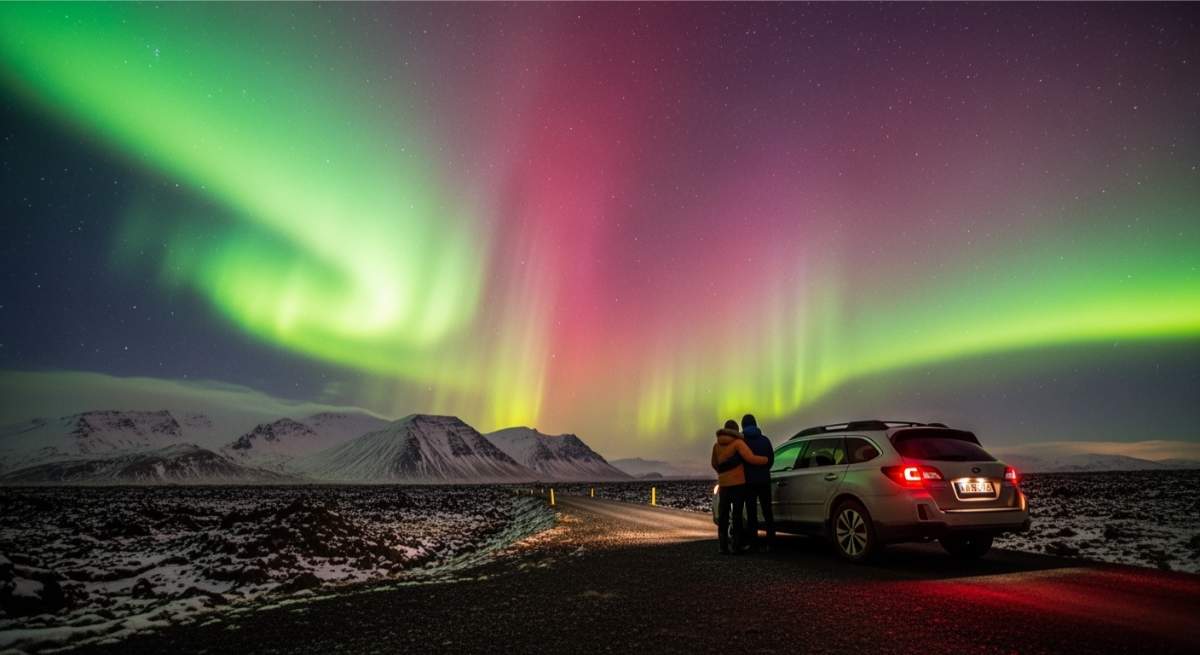
It’s common to find that your planned itinerary takes you on a mix of paved and gravel roads. Not all gravel roads are F-roads, so you may find yourself driving on one to get to your next point of interest. For this scenario, consider renting a compact or mid-size SUV.
If your itinerary features a mix of paved and gravel roads, rent a:
- Kia Sportage
- Hyundai Tucson
- Toyota RAV4
- Jeep Renegade
A compact or mid-size SUV offers more comfort on rougher roads with higher ground clearance and better control. It’s a great option to seamlessly transition from paved to gravel roads and back again.
Best for Highlands/F-Roads (Experienced Drivers)
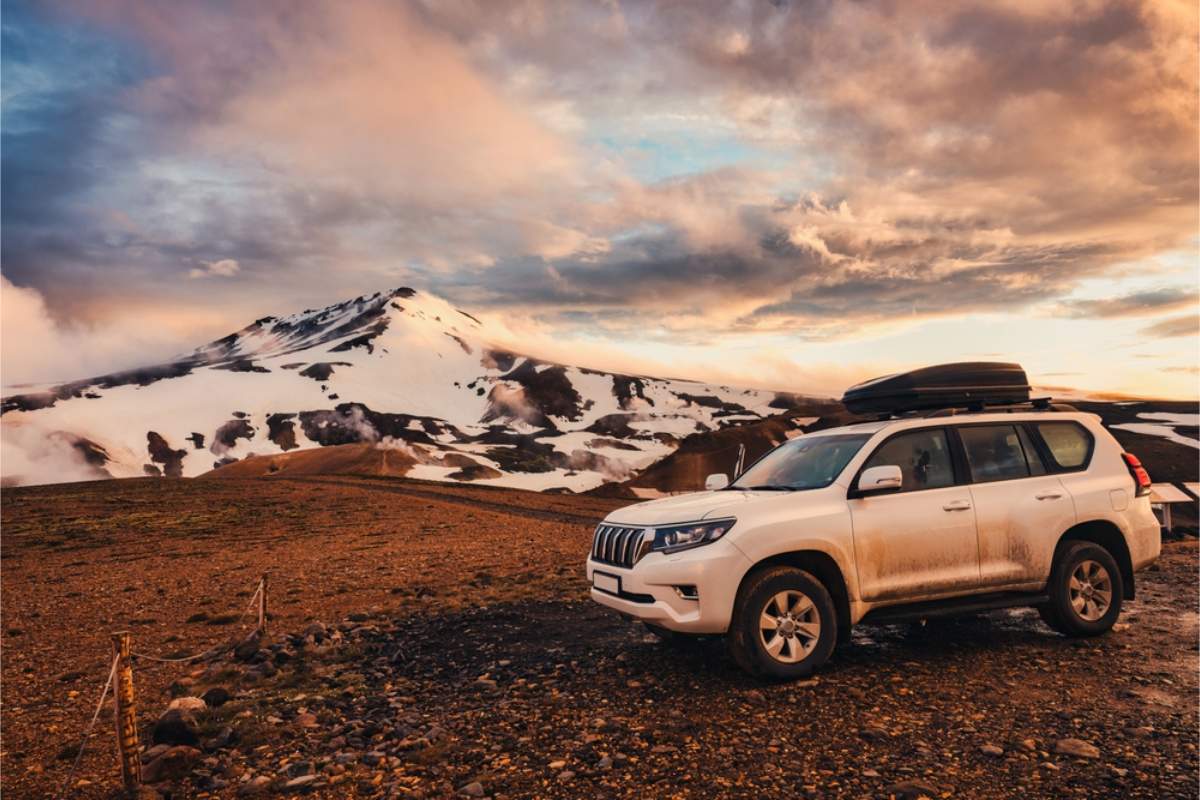
Experienced drivers who want to get the ultimate Highland experience on F-roads must rent an approved 4x4. The key to safely navigating the Highlands is to rent a true 4x4 with plenty of ground clearance. However, you will also need some experience with these types of roads.
If you want to drive the F-roads into the highlands, rent a:
- Land Rover Defender
- Toyota Land Cruiser
- Land Rover Discovery
- Kia Sorento
A 4x4 with good ground clearance will help you navigate the washboarding, potholes, river crossings, and other obstacles common on F-roads. They are capable of handling rough roads well, but it’s important to have some experience, especially if you want to drive roads with river crossings. Again, the Highlands is not for beginners!
What to Look for When Booking: Specs That Matter More Than the Badge
Cars Iceland makes it clear which features a vehicle has and whether it is permitted to drive on F-roads. However, you shouldn’t just look at the make and model to make your decision. You must also consider other factors that actually matter more than the specific vehicle you choose.
AWD vs. 4x4, Traction Control, and Stability Systems
AWD and 4x4 are not the same thing. Here’s a basic rundown of how the two differ in simple terms:
- AWD: Automatically sends power to all four wheels when it’s needed.
- 4X4: A more complex system that may need to be manually engaged when needed.
Traction control and stability systems are generally present on both types. These features help prevent skidding and loss of control.
Overall, most travelers will do well with an AWD vehicle, but if you plan to visit the Highlands and drive F-roads, you are required to rent a 4x4. Don’t simply rent a car that is a well-known “off-road” brand, but look at the details to make sure it’s what you need.
Ground Clearance and Approach Angles
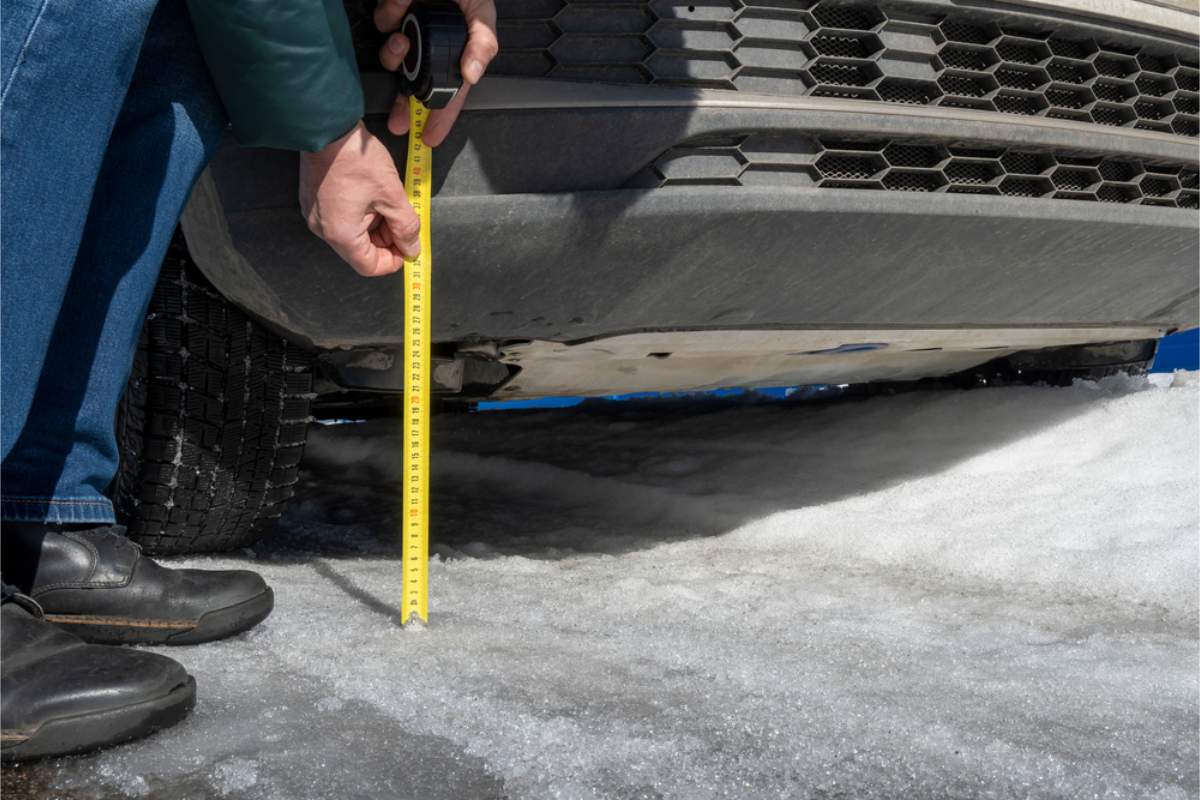
Ground clearance and approach angles are vital when driving F-roads in Iceland, especially those with river crossings. Gravel roads often have potholes, dips, larger rocks, and washboarding that can damage the undercarriage if the vehicle isn’t high enough.
Ground clearance refers to how high a vehicle sits off the ground. It is recommended to have at least 20 cm (8 inches) of ground clearance for the Highlands.
- Low clearance: These small cars are fine for main roads in Iceland
- Medium clearance: SUVs are better for gravel roads
- High clearance: 4x4s with high clearance are needed for F-roads and river crossings
Approach angles are also important for the Highlands. This term refers to how steep an incline a vehicle can handle without scraping the front bumper. Pay close attention to this spec when renting for an F-road trip.
Luggage Space, Passenger Comfort, and Long-Drive Fatigue
You’ll likely spend more time in your rental vehicle than in a hotel room during your Iceland trip. Therefore, you should pay attention to space and comfort factors when choosing the best car to rent. Some of the factors to consider include the following:
- How much trunk space? Will it fit all your luggage?
- Is there plenty of room for the number of people in your group?
- How comfortable are the seats?
Renting a smaller car may be economical and suitable for your route, but spending hours in a cramped car can contribute to driver fatigue. If you spend the day wrestling with the weather to stay on the road, you are more likely to be exhausted before the day is over. Instead, choosing a more stable vehicle with plenty of room to maintain visibility without blocking windows with luggage is a better choice, especially for longer drives.
Fuel Economy vs. Fuel Availability: Diesel, Petrol, & Hybrid Considerations
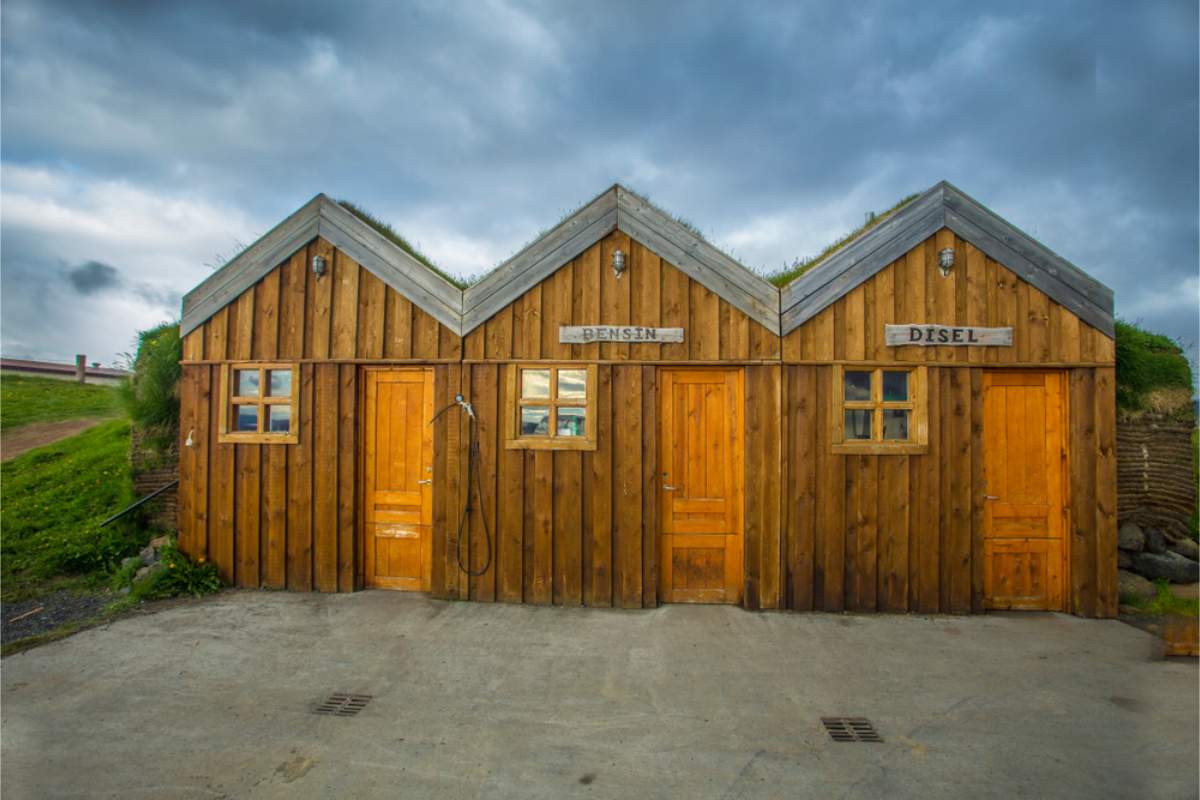
Planning for fuel is important for your budget and to ensure you don’t run out during your trip. Both diesel and petrol are widely available at gas stations around the country, but in more remote areas, even along the Ring Road, these fuel stations can be few and far between, so it’s best to fill up whenever you find one.
Fuel prices in Iceland are generally higher than in other parts of the world, making it an important part of your budgeting process. Renting a car with better fuel economy will help keep your costs low, so you can spend more on food and experiences.
When choosing a vehicle from Cars Iceland, consider its fuel economy. Here are some factors to consider:
- Petrol is common and widely available, making it ideal for shorter trips
- Diesel vehicles generally get better fuel economy, making it cheaper per kilometer
- Hybrids are good for saving money around town and on short journeys, but don’t save much on long stretches
Keep in mind that the windy conditions common in Iceland can reduce the listed fuel economy.
Insurance in Iceland: What to Add, What to Skip, and How to Avoid Surprises
One of the most common mistakes we see is not getting proper insurance on your rental vehicle. Many tourists think their credit card insurance is enough, but sometimes it’s not. Even if it is, you typically have to pay for damages upfront and get reimbursed later. It’s safer to simply get insurance through us when you rent.
Excess, “Zero Excess,” and Why It Changes Your Risk
Cars Iceland includes basic insurance, such as Collision Damage Waiver (CDW), third-party liability, personal accident insurance, and theft protection with every rental. However, this coverage comes with a deductible you would owe if damage occurs. In our experience, upgrading here saves money in the long run.
Making this upgrade makes sense in these situations:
- You’re taking a long road trip
- You prefer a stress-free experience
- You don’t want surprises
It may not be needed for shorter trips or if you are sure your credit card insurance is sufficient. Be sure to read the small print and ask questions, so you can accurately weigh your risk tolerance.
Gravel Protection, Sand & Ash, and Windshield Coverage
Certain types of damage are much more common in Iceland than in other locations. To minimize your costs when returning your car, we strongly recommend upgrading to our maximum insurance for your peace of mind. Our top insurance includes the following:
- Gravel Protection: Covers damage caused by loose gravel hitting your car. This is necessary if you plan to drive on any unpaved roads.
- Sand & Ash: The volcanic sand common in Iceland is more abrasive than other types of road dust and sand. When driving through open stretches on windy days, sandblasting can occur. This is one of the most expensive types of damage.
- Windshield Coverage: Cracks and chips in your windshield can happen quickly, even on paved roads.
We bundle these insurance options into our zero excess insurance to give you the highest level of coverage.
When Roadside Assistance and Towing Coverage Matter
Many parts of Iceland are more remote than you would expect. Outside Reykjavík, most of the towns dotted around the Ring Road are quite small. If your car breaks down outside the city or larger towns, the cost of towing or bringing help to you can be quite high. If you’re driving in winter, visiting more remote regions, or traveling solo, roadside assistance and towing coverage are vital.
This coverage can help with:
- A flat tire in a remote area
- Battery issues due to the cold
- Getting stuck in snow or soft ground
- Breakdowns outside town
Proper coverage can save you hundreds of dollars or more. Browse our insurance options.
Pickup Checklist: 7 Things to Verify Before You Drive Away
When you pick up your vehicle from Cars Iceland, verify and document a few things before you drive away. Go through this checklist before you start your journey:
- Photograph and video all parts of the car
- Scratches and dents, no matter how small
- Wheels and hubcaps
- Windshield
- Lower panels and roof
- Check tires and the spare
- Good tread
- No visible damage
- Proper tire pressure
- Spare tire or repair kit included
- Confirm insurance coverage in writing
- Deductible amount
- Gravel protection
- Sand and ash insurance
- Windshield coverage
- Test lights, wipers, and basic controls
- Low and high beam headlights
- Tail lights
- Turn signals
- Windshield wipers and washer fluid
- Heating and window defrost
- Understand the fuel type and refueling rules
- Petrol or diesel?
- Fuel cap location and operation
- Refueling requirement before return
- Inspect doors and windows
- Whether doors open and close smoothly
- No existing hinge damage
- Windows seal properly
- Ask about emergency contacts and road conditions
- Emergency/roadside assistance number
- What to do after a breakdown or accident
- Recommended sites or apps for weather and road conditions
A full walkthrough and documentation at pickup takes time, but it can save you money in the long run.
FAQs: Best Car to Rent in Iceland
Still have questions about finding the best car to rent in Iceland?
Do I need a 4x4 for the Ring Road?
The short answer is no in the summer and maybe in the winter. The Ring Road is paved and well-maintained, which means a 2WD is sufficient in summer. However, an AWD or 4x4 is recommended in the winter to better handle winter road conditions.
Is AWD enough in winter?
Yes, for most travelers, an AWD is sufficient for driving in the winter. When equipped with winter or studded tires, these vehicles work well for the Ring Road, along with other main roads. You can safely rent an AWD vehicle when:
- You’re sticking to the main roads
- You won’t drive in extreme weather
- You’re comfortable driving in winter conditions
Are studded tires included?
Yes, our rental company includes studded tires between November and April to make driving on Iceland’s roads safer. These tires grip icy and snowy roads more effectively.
What’s the safest car type for Iceland’s wind and ice?
A compact or mid-size SUV is generally safest in Iceland’s windy, icy conditions. These vehicles are heavier than small cars, making them more stable against the wind. They also have better traction on the ice and higher clearance. We recommend renting a:
- Dacia Duster
- Hyundai Tucson
- Kia Sportage
What car should I rent for F-roads and river crossings?
If you plan to drive F-roads and river crossings, you absolutely must rent a 4x4 that is approved for these roads. It should have high ground clearance like a Toyota Land Cruiser or Land Rover Defender. Driving an F-road without a 4x4 voids your insurance and puts your safety at risk. However, F-roads aren’t beginner-friendly, so it’s best to have experience with this type of driving.
Final Recommendation: Pick Your Category and Book Early for Your Season
Once you set your itinerary and determine the time of year you will visit, it becomes easier to pick the most appropriate rental category to choose. Whether you’re planning a simple summer trip along major routes with a 2WD or want to tackle the Highlands with a 4x4, you’ll find a great selection of the best cars to rent in Iceland.
Don’t wait to find the perfect rental vehicle for your needs. The earlier you book with us, the more money you can save. Booking early also guarantees that you’ll get the car you want from our fleet. This is especially important in the summer months when demand is high. Economy and small SUVs sell out quickly. Failing to book early enough could mean spending more money on an unnecessary vehicle.
Browse our fleet and find the perfect vehicle to take your Iceland trip to the next level!