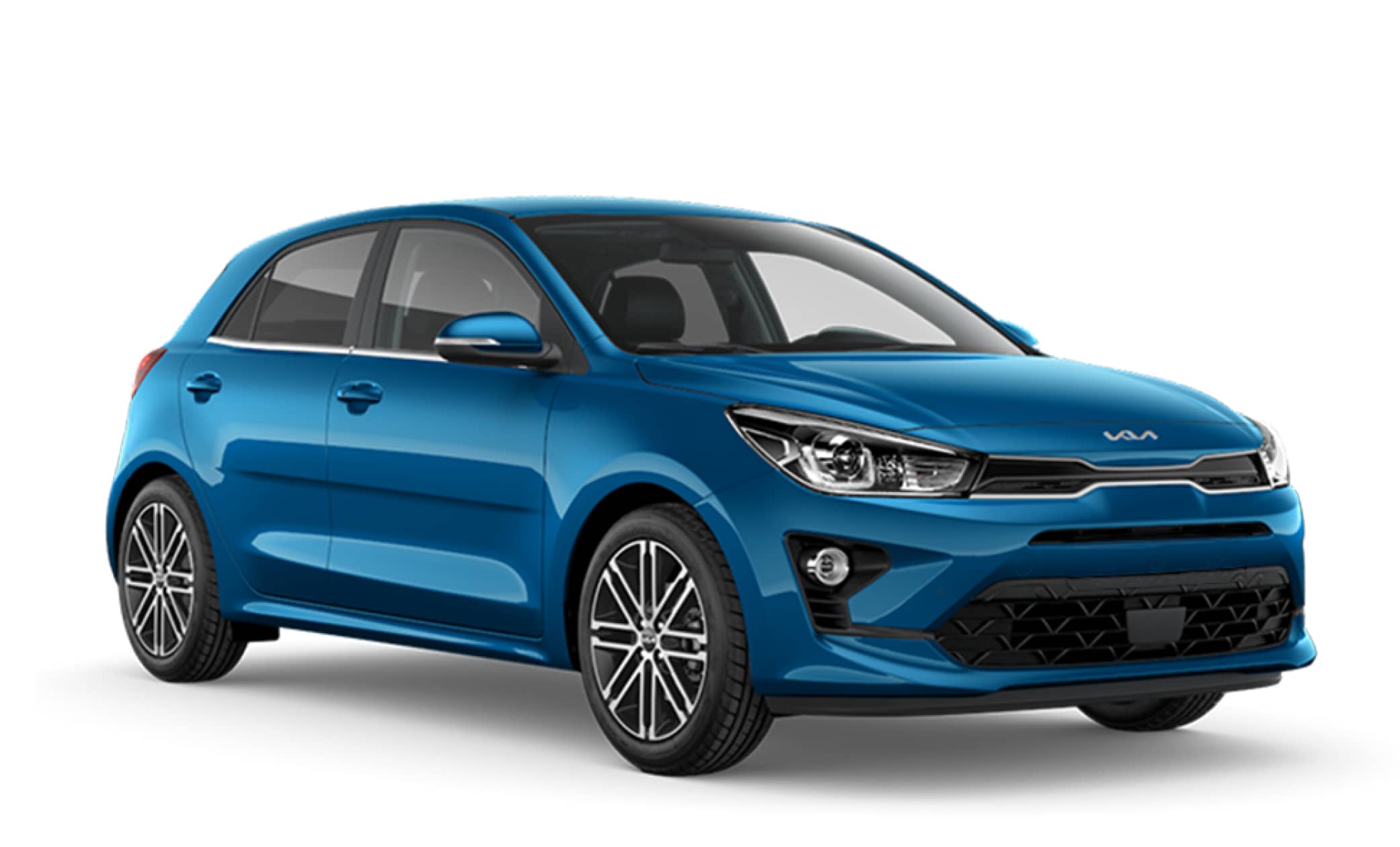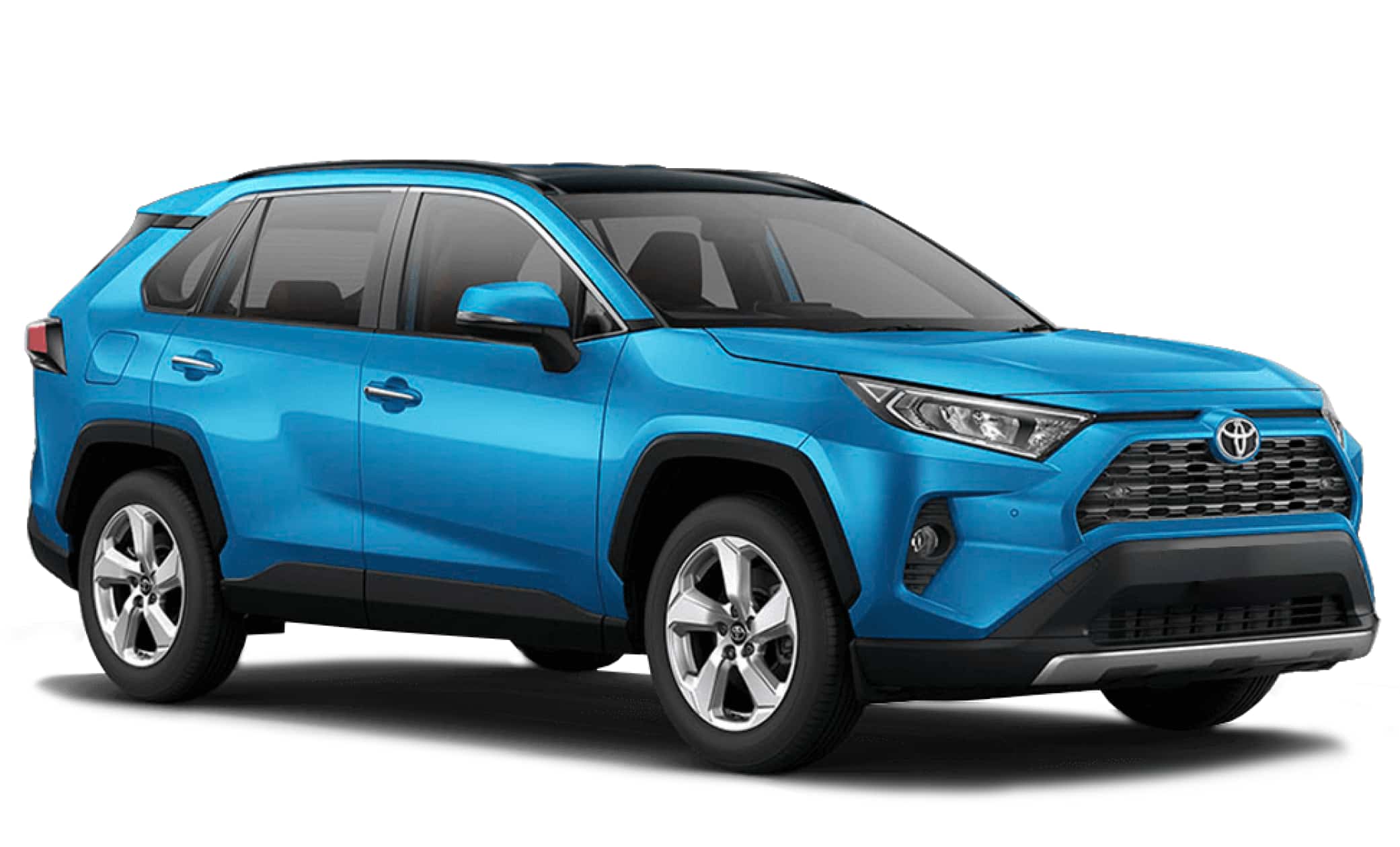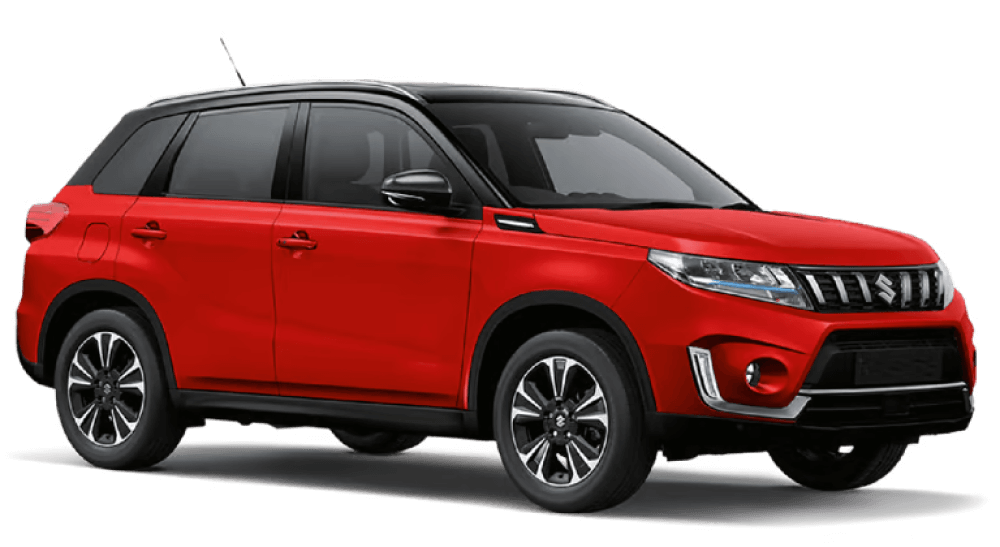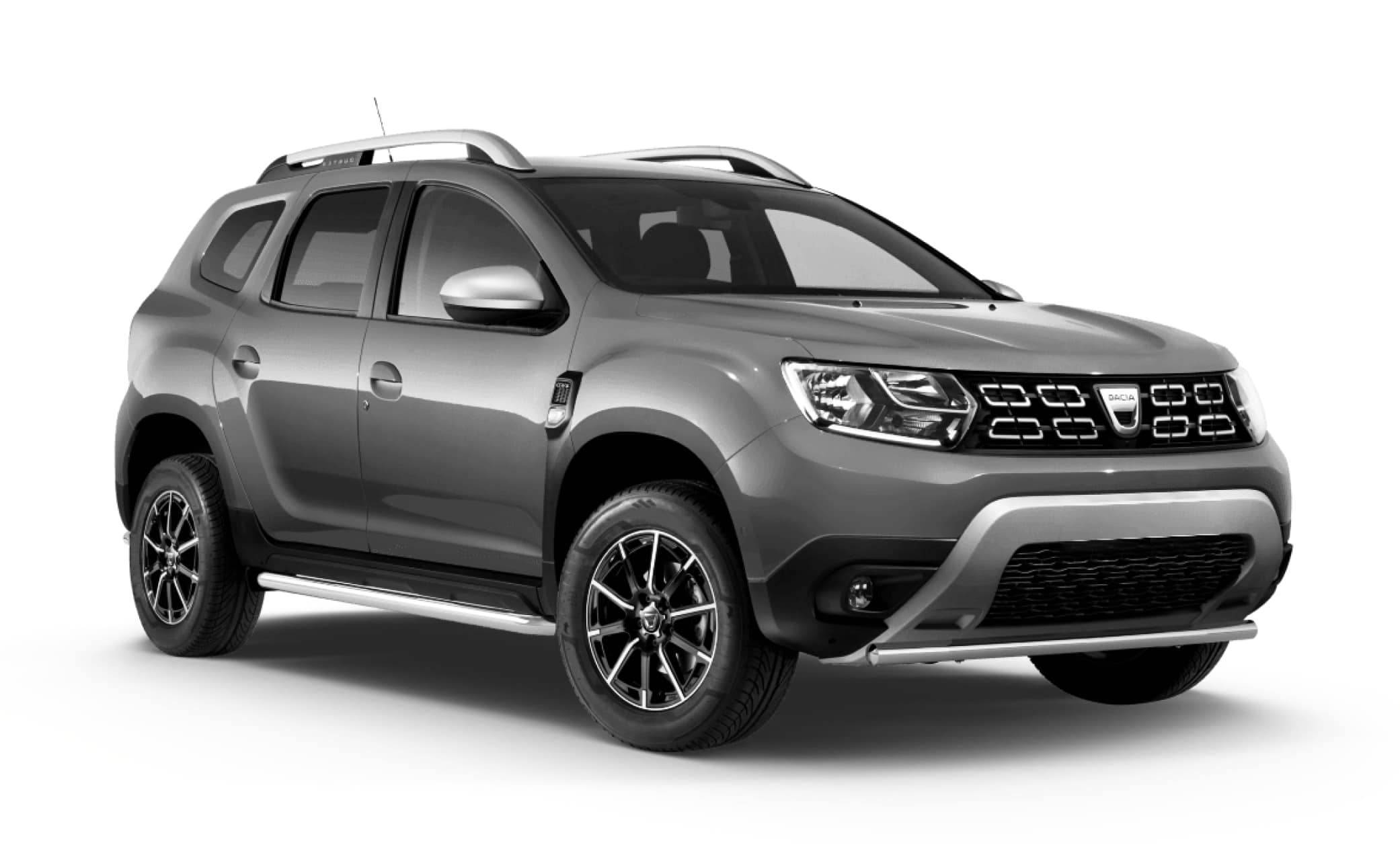


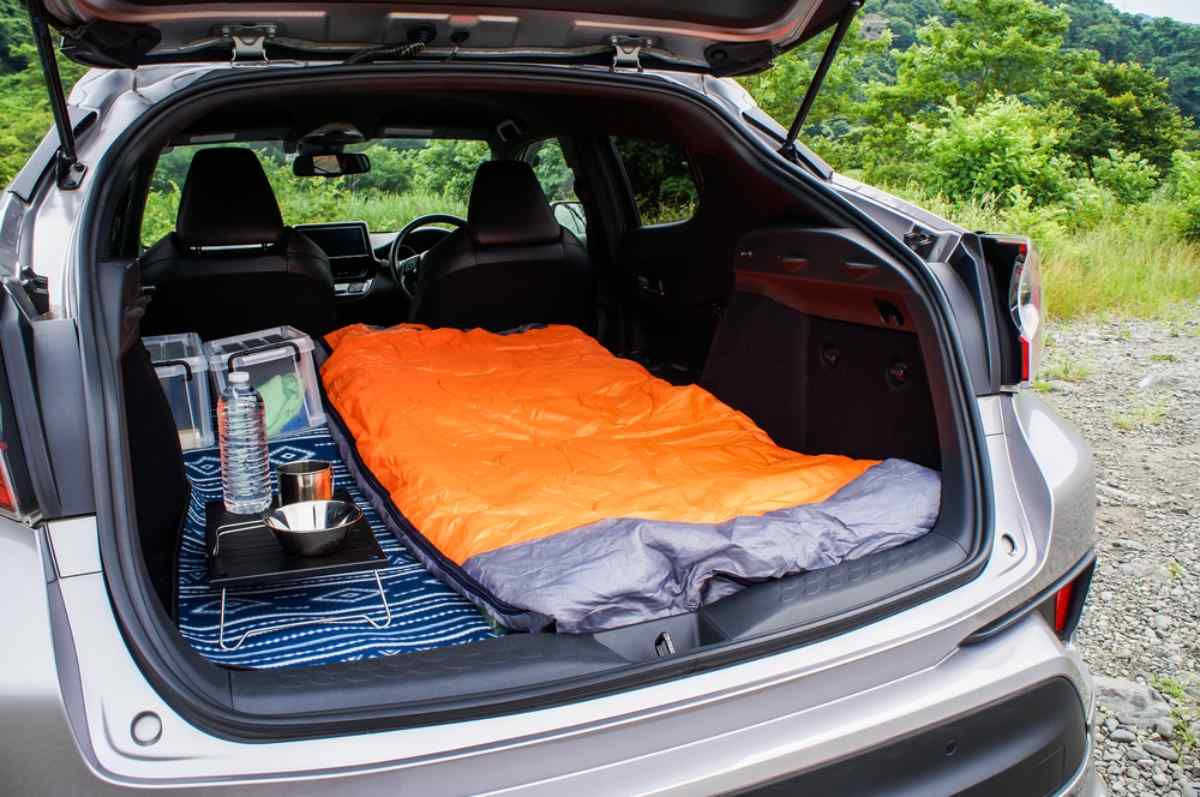




Can you sleep in your car in Iceland? Yes, but only under specific conditions. In practice, if you want to sleep overnight in a vehicle in Iceland, you should use designated campsites or stay only where you have explicit permission. Since 2015, Iceland has tightened the rules for overnight stays in cars, campervans, and motorhomes outside approved areas.
Is It Legal to Sleep in Your Car in Iceland?
Sleeping in your rental car in Iceland is restricted under camping laws. Calling it ‘just resting’ does not change anything. Same rules. And yes, they enforce it, especially on the busy routes. Summer is worse. Too many people try it, so authorities pay a lot more attention.
Changes in the Camping Law Since 2015
Before 2015, people parked and slept almost anywhere. That did not last. According to the government website Umhverfisstofnun, it is now illegal to sleep in campervans, caravans, or cars outside campsites or urban areas without permission.
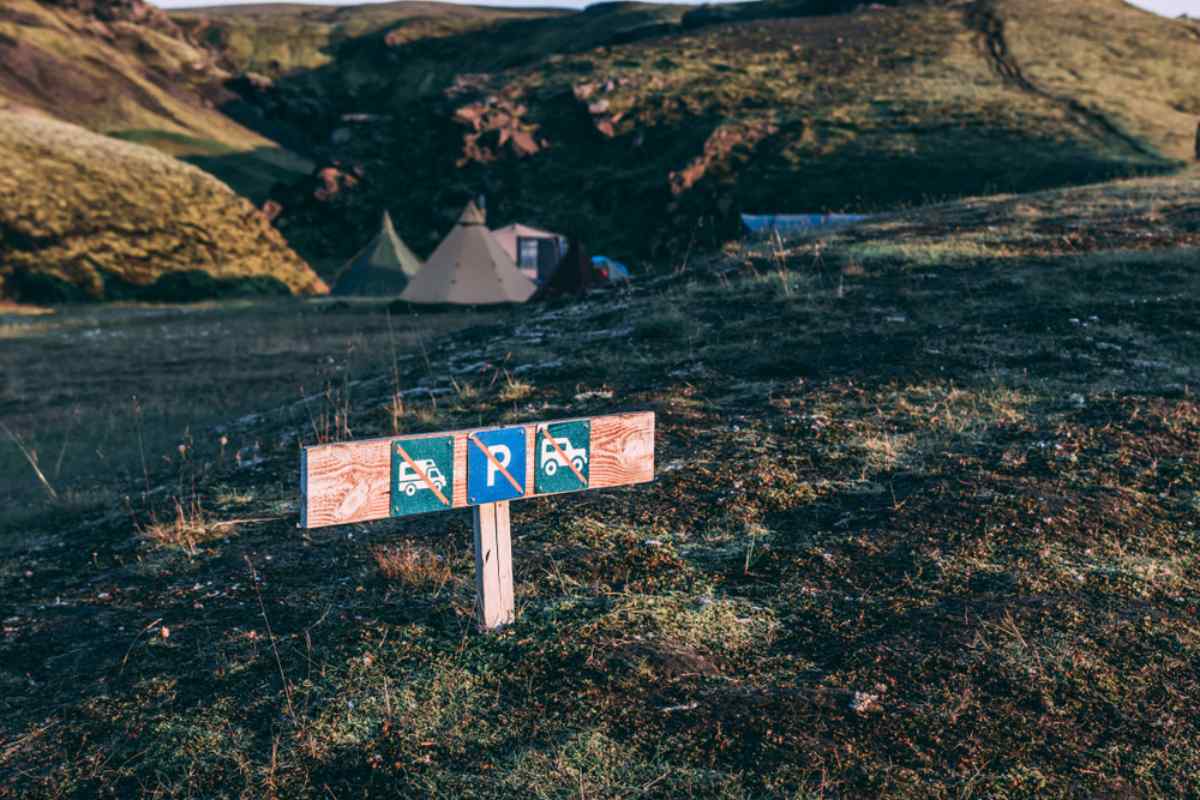
That includes what most people mean by car camping in Iceland. The reason is not complicated. Too many people drove onto fragile land and wrecked it. It takes years to recover. So the rules tightened. Tents still have some flexibility, but vehicles do not.
Exceptions and Edge Cases
Yes, there are exceptions. No, they are not practical. You can stay on private land if you have permission, but that usually means tracking down an owner and asking in person.
Most people will not do that. Emergencies are allowed, but that means actually emergencies, not avoiding campsite fees. Tents get slightly more freedom along public groups, but even that comes with limits.
Near farms, more than one night, or multiple tents, you need permission again. Some areas are gully restricted.
Where Can You Sleep in Your Car Legally?
We keep hearing people asking whether you can sleep in your car in Iceland if you just pull off somewhere quiet. Not really. That’s where most get it wrong. Here are your options:
Campsites: Your Best Option
Campsites are your best option for sleeping legally in Iceland. If you are planning camping in Iceland, this is where you end up anyway. There are roughly 200 campsites across the country, so finding one is not a problem. Most cost around $10 to $25 per person per night, which is still cheaper than almost anything else here.
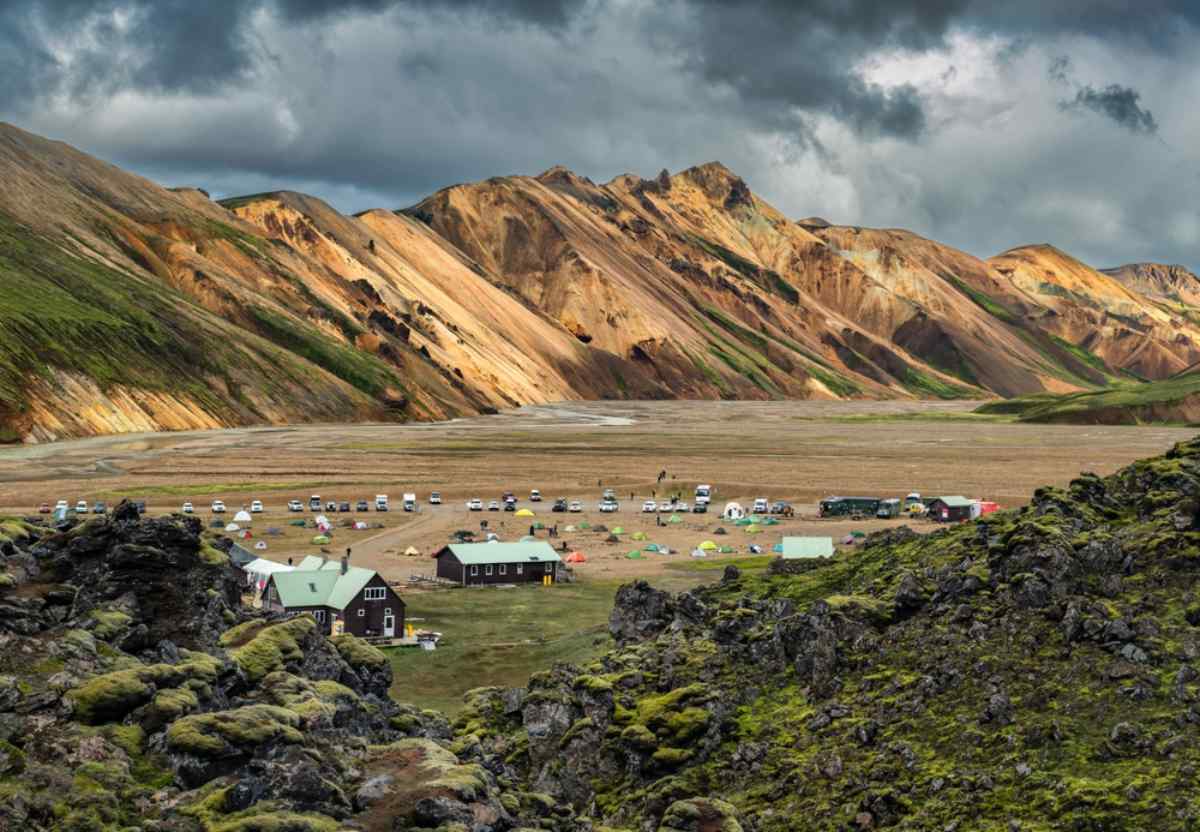
You get what you need. Toilets are standard, shoes usually cost a bit extra, and electricity is available at many sites if you want it. Some stay open year-round, but a lot close outside of summer, so check before you drive there. Booking depends on the area.
Busy regions like the Golden Circle and the South Coast fill up during June to August.
How to Find and Book Campsites in Iceland
If you have no other choice than car camping in Iceland, you need to plan your stops before you start driving. You cannot rely on finding something at the last minute. Use Tjalda.is to check which campsites are open and where they are. Parka.is is useful for paying quickly when you arrive. Google Maps works well here and helps when plans change.
Space your stops every 150 to 250 km (93 to 155 miles) so you are not pushing too far. The Iceland Camping Card can save money, but they are a waste of money on shorter trips. If you are only camping a few nights or mixing in hotels, you will not use it enough. They also do not cover many popular sites, which forces detours and extra costs.
What Happens If You Sleep in the Wrong Place?
This is where problems can start. Icelandic law does not leave much room for error. You either follow the rules or deal with the consequences.
Fines and Legal Consequences
Rangers and police do check busy areas. Not always, but often enough that people do get caught. If you are parked where you should not be, you may be told to move. In some cases, you may be fined on the spot.
It usually starts around $35 to $150, then goes up if you keep ignoring the rules. And if you damage the environment, the consequences can become much more serious. That may mean higher fines or other legal penalties. Find out more about fines and how to avoid them here.
Impact on Rental Agreements and Insurance
If you are still asking whether you can sleep in a car in Iceland, your rental agreement is probably not on your side. Most rental companies do not allow it, and they may treat it as misuse if something goes wrong.

That is where it can become expensive. If you are parked somewhere you should not be and there is damage, do not expect the insurance to automatically cover it. Insurance coverage may be disputed or limited if damage occurs while the vehicle is being used outside permitted conditions. Travelers should check the rental terms and exclusions before relying on a vehicle for overnight stays.
You are also responsible for any fines linked to the vehicle during the rental period. And even campervans are not a free pass. If you use them outside legal campsites, you can run into the same problem. Saving $20 on a campsite may seem worth it until it is not.
What Types of Vehicles Are Allowed for Sleeping?
If you plan to rent a car in Iceland, the vehicle you choose matters more than you might think. Not for legality. For comfort, safety, and whether you actually sleep or just lie there all night. Some options work. Others look cheaper and can backfire fast.
Cars vs Campervans vs Motorhomes
The best rental car to sleep in Iceland is not a car. It is a campervan or motorhome if you want a good night’s sleep.
|
Vehicle Type |
Legality |
Comfort |
Privacy |
Heating |
Storage |
Best Use Case |
Main Drawback |
|
Car |
Allowed only under the same overnight rules as any other vehicle, but not designed for sleeping |
Low |
Low |
None |
Limited |
Emergency rest or very short-term use |
Cramped, cold, and impractical for overnight travel |
|
Campervan |
Allowed under the same overnight rules, typically used at campsites |
Medium to High |
Medium |
Sometimes included, depending on model |
Moderate |
Travelers who want a simple and flexible road trip setup |
Space can still feel tight, especially in bad weather |
|
Motorhome |
Allowed under the same overnight rules, typically used at campsites |
High |
High |
Usually included |
High |
Longer trips or travelers who want more comfort and living space |
Larger size can make driving and parking more difficult |
Why a Campervan or Motorhome Is the Better Option
A campervan or motorhome is the better option because it simplifies the whole trip. You pull into a campsite, stop, and that’s it. You’re not still figuring things out in the dark or moving stuff around to make space.
It also gives you flexibility. Iceland’s weather changes fast, and plans don’t always work out as you intended. You can move when you need to without being tied to bookings or fixed stops.
Best Tips for Sleeping in a Vehicle in Iceland
You shouldn’t be sleeping in a regular car in Iceland. That’s already been covered. But people still do it. If you’re doing it anyway, here’s how not to have a miserable time if you go car camping in Iceland:
Comfort, Privacy, and Weather Considerations
If you’re doing this, a few things make a bigger difference than people expect. Park somewhere level, but also think about where the wind hits the car. One side will feel a lot worse than the other.
Bring a proper sleeping bag. Aim for at least 0°C (32°F). Cars lose heat fast, and layering random clothes is not the same. Cover the windows with something. Towels and jackets work, but wedge them in so they don’t fall off halfway through the night.
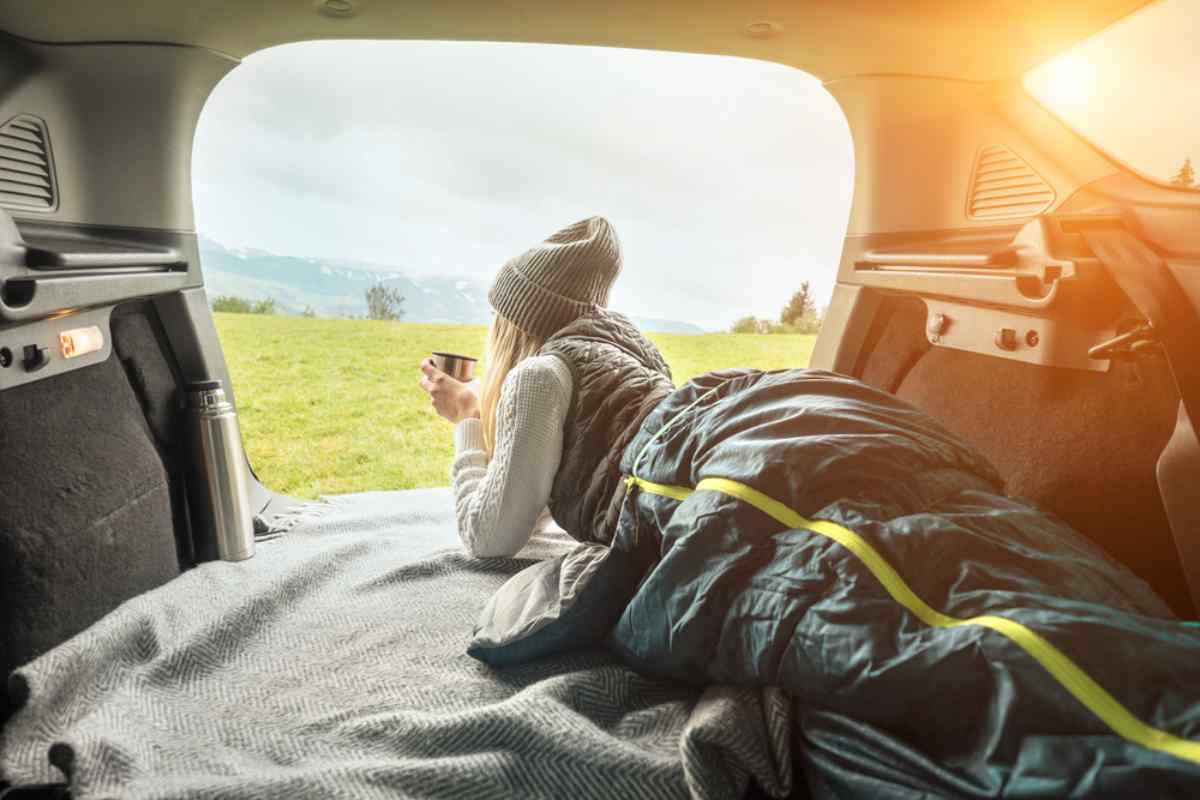
Keep a small gap for airflow. If everything is sealed, you wake up in a damp car with fogged windows and wet gear. Also, decide where your essentials go before you get in. Once you’re inside, you don’t want to be digging around in the dark.
Safety and Local Etiquette
This is usually where people mess up without realising it. Don’t park on moss or anything that looks untouched. It doesn’t recover quickly, and locals don’t ignore it. Clean up after yourself properly.
Not just the obvious stuff. Things like cigarette buds get left behind all the time, and they add up fast. At campsites, keep it low-key. Late at night, early in the morning, sound carries. You notice it when someone else does it.
Watch where you stop. Farm roads, gates, and random access points. If it looks like someone might need it, don’t be there.
FAQs: Sleeping in Vehicles in Iceland
Can you sleep in your car in Iceland after drinking, even if you are not driving?
Be careful. Even if the car is parked, sleeping inside after drinking can create problems if police think you intended to drive. It is not a smart loophole.
Can you keep the engine running all night to stay warm?
You can, but it is a bad idea. It wastes fuel, attracts attention, and can break campsite rules. It also turns a cheap night into an expensive one quickly.
Can you sleep in your car at a gas station or supermarket parking lot?
Usually no. Parking lots are for customers, not overnight stays. Some people try it anyway. Then security shows up, or you wake up looking like a problem.
What do you do if you need the toilet during the night?
That depends entirely on where you are parked. Campsites solve this. Everywhere else becomes awkward fast. That alone should tell you why sleeping in regular cars is a weak plan.
Can you leave your luggage outside the car to make more sleeping space?
No. That is how things get wet, dirty, or disappear. Icelandic weather changes fast, and campsites are not private storage units. Keep your gear inside and organised.
Do campsites fill up in summer?
Usually not everywhere. Most campsites in Iceland are first come, first served and rarely fill up completely, but campsites near popular areas or during busy summer weekends can get crowded.
Can You Sleep in Your Car in Iceland or Should You Rethink It
Can you sleep in your car in Iceland? Yes. But for most travelers, it is not the setup they really want once the trip starts. The rules are strict, and even if you stay within them, sleeping in a standard car gets uncomfortable fast.
Space is tight, privacy is limited, and the whole thing becomes more awkward than it first sounds. What looks like a money-saving plan can easily turn into a frustrating one.
For most travelers, the safest and simplest option is to use campsites and choose a vehicle designed for overnight travel. A standard rental car may work for a short emergency stop, but it is not the right setup for a multi-day road trip in Iceland.