





Thinking about driving in Iceland in February? Good. You’re in the right kind of panic. This isn’t your average winter road trip. It’s a game of black ice, sideways wind, and roads that vanish under snowdrifts, then reappear just to mess with you.
This guide is for first-timers, cautious road-trippers, and anyone smart enough to ask questions before they rent. We’re not here to sell you magic or glaciers. Just the reality of driving in Iceland in February.
How to prep. What to expect. What not to do. Which roads to skip unless you want a cozy night with your emergency blanket? So, if you’re planning to sit behind the wheel, read this first. It might be the only thing standing between you and a very expensive rescue call.
Quick Answer: Is It Safe to Drive in Iceland in February?
- Yes, if you treat it like winter driving, not a sightseeing cruise.
- Yes, if you check official road conditions and weather warnings every day before setting off.
- Yes, if you drive during daylight, choose short routes near services, and build buffer time into every plan.
- No, if severe wind or storm warnings are active, or your intended road is closed.
- No, if your schedule is rigid and you “have to” reach the next stop at a fixed time.
- No, if you have limited winter-driving experience and plan to circle the whole country in only a few days.
- If you’re unsure, shorten the route, stay closer to Reykjavík and the South Coast, or book a guided tour instead.
February Weather & Daylight: Quick Facts
| Factor | What to Expect | What It Means for You |
|---|---|---|
| Daylight | Around 7 hours early in February and close to 10 hours late in the month | Plan long-distance driving for daylight only |
| Wind | Frequent coastal gusts, sometimes severe | Check official wind warnings before every drive |
| Snow and ice | Common beyond Reykjavík; black ice can form on apparently clear roads | Reduce speed and leave more stopping distance |
| Storm risk | Periodic closures, especially in the north and east | Add at least 1–2 buffer days and keep plans flexible |
February gives you more daylight as the month progresses, but it is still a limited driving window. Start early, finish before dark, and avoid using the final hour of daylight as your planned arrival time.
Why Driving in February Is Different in Iceland
Driving around Iceland in February isn’t just ‘winter driving with views.’ It’s planning your day around 7 to 10 hours of daylight and hoping a blizzard doesn’t steal three of them. That light window sounds generous until you’re halfway across a lava field and visibility drops to zero.
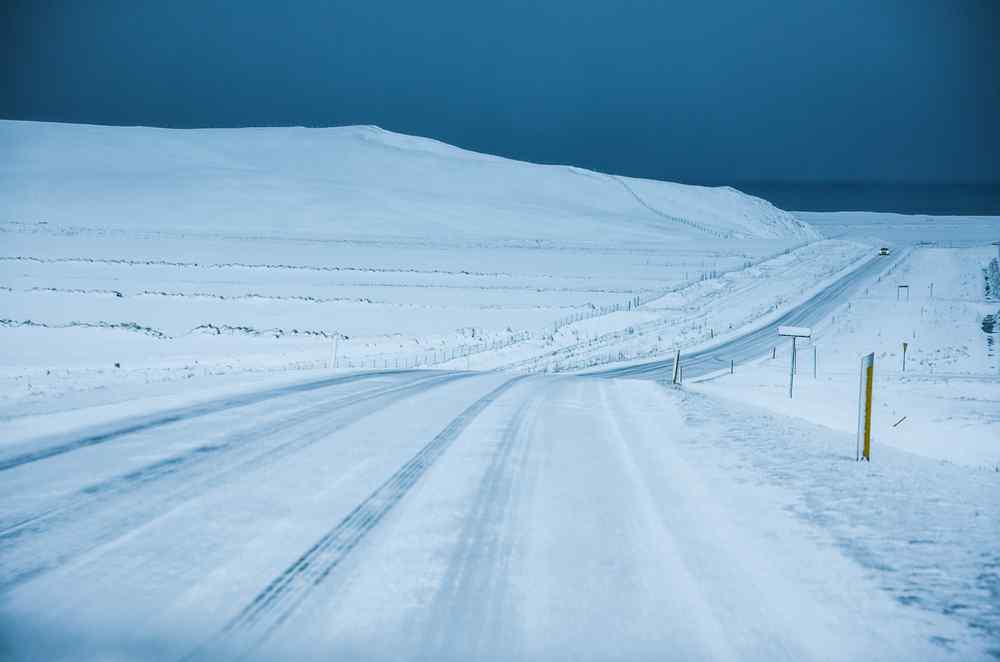
Weather changes without warning. One minute you’re coasting under a pale blue sky. Next, it’s whiteout. Wind gusts slam you sideways. Black ice creeps across the road like it’s got somewhere to be.
Out in the rural stretches, there’s no room for error. Roads can vanish into snowbanks or turn to slippery gravel with no one else around for kilometers or miles. No buses. No taxis. Definitely no Uber. If you screw up, you’re the one getting yourself out.
- Still on the fence? Then why not read about whether you Should I Rent a Car in Iceland?
- Need more daylight context? Our guide to Iceland’s Weather by Month will show you how February stacks up.
Choosing the Right Rental Car for February
A tiny hatchback might save you money, but it won’t save you from a snowdrift in the middle of nowhere. When you rent a car in Iceland in February, it isn’t about comfort. It’s about clearance, traction, and knowing your route. Here’s what you need to drive smart, not scared.
4x4 vs 2WD
Let’s keep it simple. If you're driving around Iceland in February, a 4x4 isn't a luxury. It’s simply the best choice for reasons such as:
- Better traction on icy roads.
- Higher clearance to move through slush and shallow, accumulated snow.
- More confidence on poorly cleared or uneven rural roads.
Now, if you’re hugging the Ring Road, watching the weather like a hawk, and only moving when it's calm, a 2WD might cut it. But that’s a big ‘if.’
Insurance reflects the risk. 4x4s usually cost more to insure but often come with broader winter coverage. Some policies straight-up limit where 2WDs can go or exclude damage from snowstorms entirely. Read the fine print before you commit.
Bottom line? A 4x4 can give you more traction and clearance, but it does not make a closed road, severe wind, or poor visibility safe. The best vehicle choice still comes second to the decision not to drive.
Recommended Winter-Ready Vehicles (Our Top Fleet Picks)
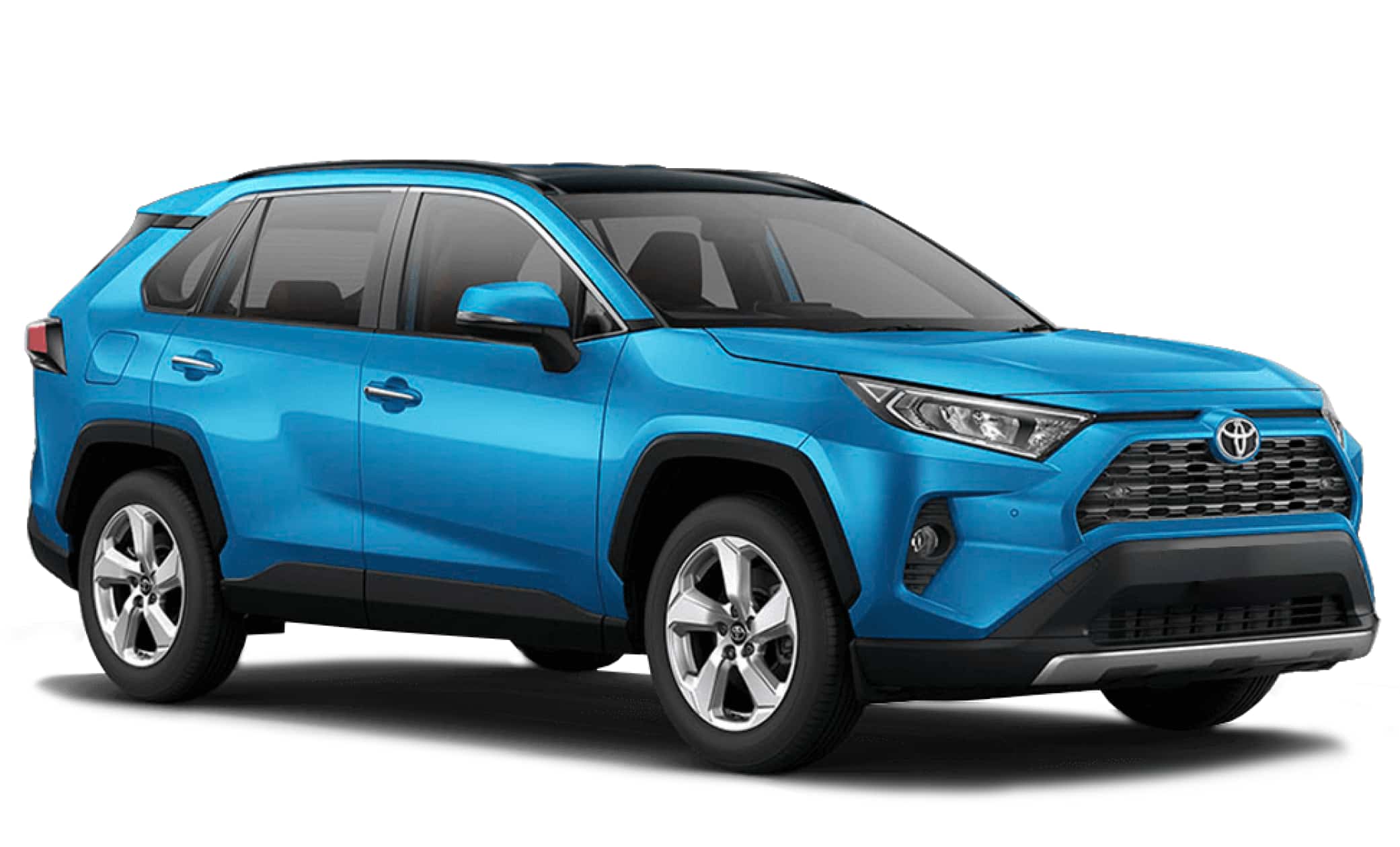
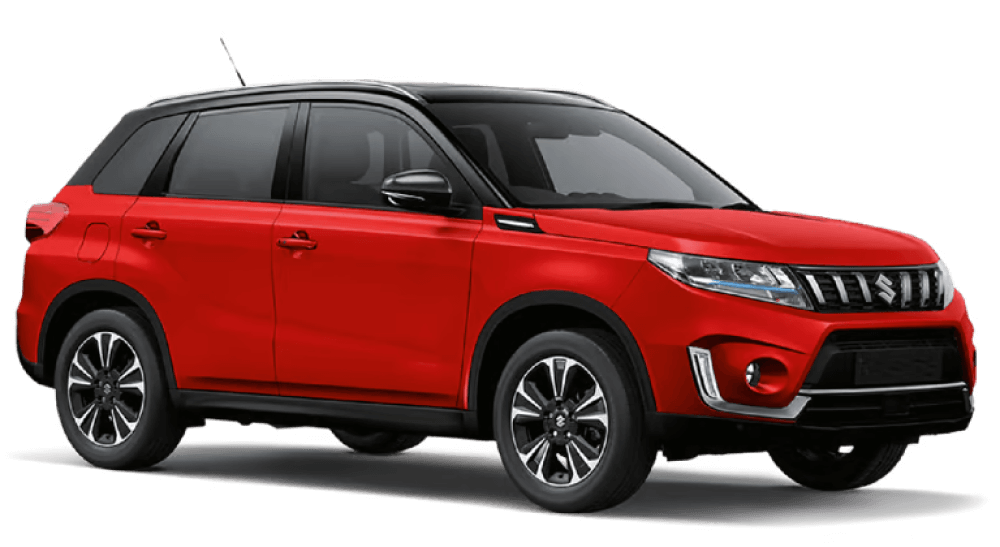
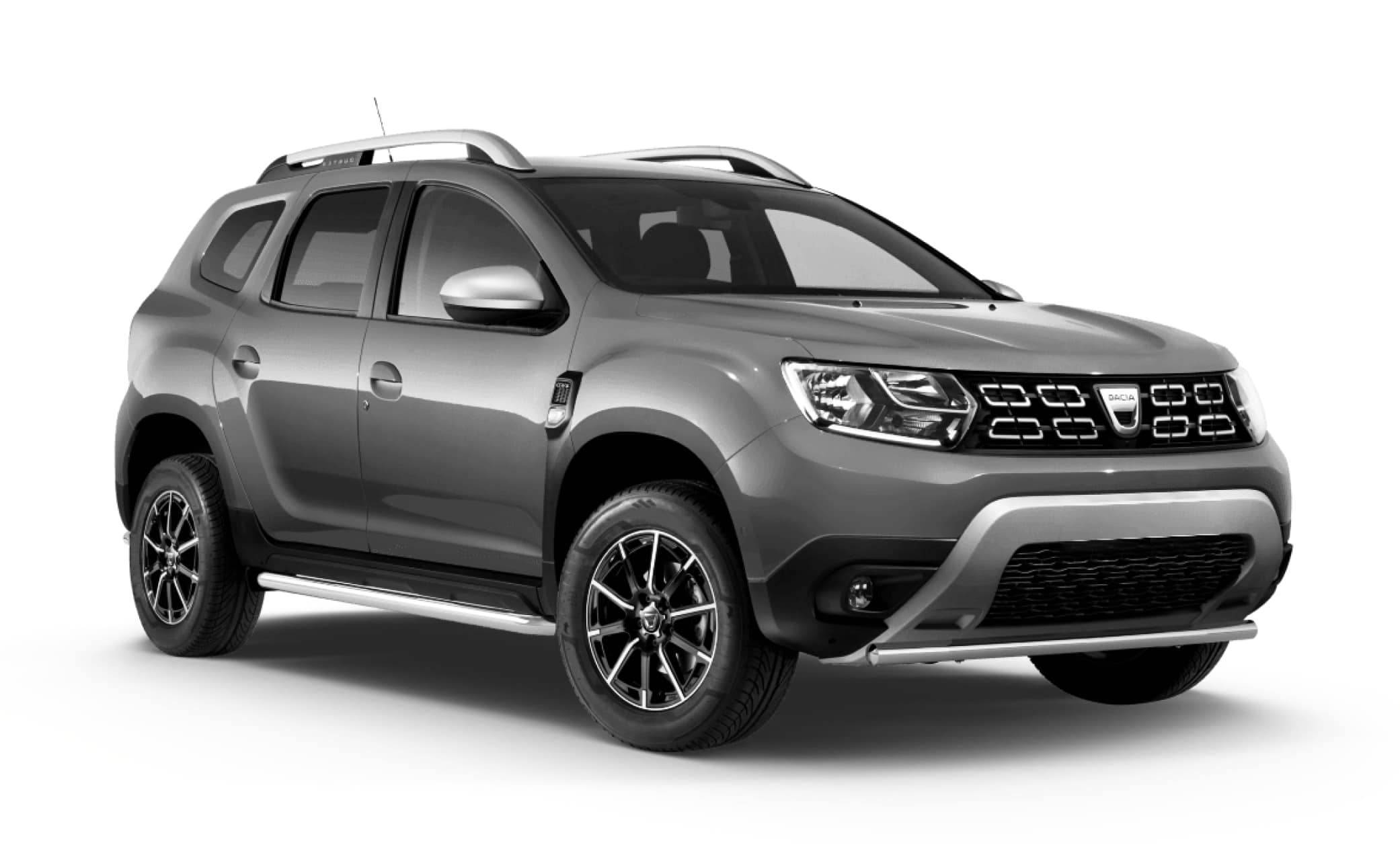
Not every car can handle the Icelandic winter. These are the models from our fleet we’d confidently take on a February road trip:
| Vehicle Model | Drive Type | Best For | Transmission |
|---|---|---|---|
| Dacia Duster | 4WD | Budget travelers on the Ring Road | Manual |
| Suzuki Vitara | 4WD | Gravel roads and icy conditions | Automatic |
| Kia Sportage | 4WD | Family trips and luggage space | Automatic |
| Nissan X-Trail | 4WD | Long routes and group comfort | Automatic |
| Toyota Land Cruiser 150 | 4WD | Maximum confidence in difficult weather | Automatic |
All of these vehicles are supplied with season-appropriate, winter-ready tires in line with current requirements and include 24/7 roadside support. Ask the rental team whether the vehicle will have studded or non-studded winter tires for your dates and route. If you’re ready to explore, check out our 4x4 fleet and travel Iceland with confidence.
Fuel Types & EVs
Winter doesn’t care what you drive. But your fuel type will. Diesel gives you reliable low-end grunt, which matters when you're crawling through snow or pulling out of a wind-blasted lay-by. The catch? It can thicken in extreme cold if the vehicle isn’t using the correct winter-grade fuel or additives.
Gasoline heats faster. Better for short trips, stop-start drives, and people who like their fingers warm before the second roundabout. Less power, but less drama.
EVs? Cold conditions and cabin heating can reduce their available range significantly. Unless you’re sticking to Reykjavík or well-served routes with dependable charging options, you’ll need to plan every charging stop and leave a generous range buffer.
So what works? EVs for carefully planned city loops and main routes. Gasoline if you want simple. Diesel if you want muscle.
Legal Requirements
Iceland doesn’t make things complicated, but it doesn’t cut corners either. You need a valid license with a photo, a license number, and Latin letters. If your license isn’t in Latin script, bring an International Driving Permit.
You also need to have held your license for at least one year. No exceptions. Rental companies will check, and they won’t care how confident you are behind the wheel.

The minimum rental age is usually 20 for regular cars. Want something bigger like a 4x4? Most companies want you to be at least 23, sometimes 25. If you're under 25, expect a young driver fee, though a few companies skip it.
Rules shift depending on what you rent and who from. So read the fine print before clicking ‘Book Now.’
You’re also more than welcome to dig deeper with these two guides:
Winter Safety Gear & Rental Insurance
If your car isn’t ready, you’re not ready. From legal must-haves to smart extras that could save your trip or your ass, here’s what you need to drive through February without learning the hard way. Let’s break down the gear, coverage, and safety add-ons that actually matter.
Winter Tires: Legal Baseline and Practical Advice
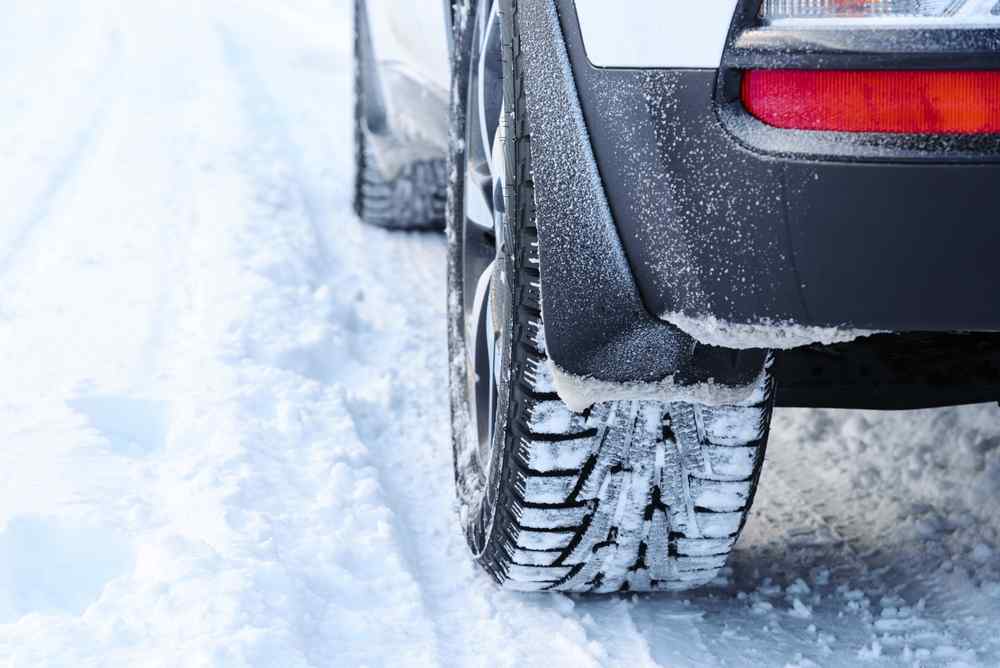
Legal baseline: Your rental vehicle must be equipped with snow tires that are suitable for the season, the road surface, and the conditions you are actually driving in. Tire rules and the permitted period for studded tires are subject to current Icelandic regulations and any temporary exceptions, so this guide does not rely on a fixed tread-depth figure. Confirm the vehicle’s setup with your rental company and follow the latest official guidance before driving.
Practical recommendation for February: Prioritize proper winter traction, predictable braking, and a safety margin over price. Non-studded winter tires can perform well on cleared main roads in stable conditions. Studded tires can offer extra grip on hard-packed snow and ice, which may be useful on frequently icy rural routes, but they do not make a closed road, a whiteout, or a severe wind warning safe.
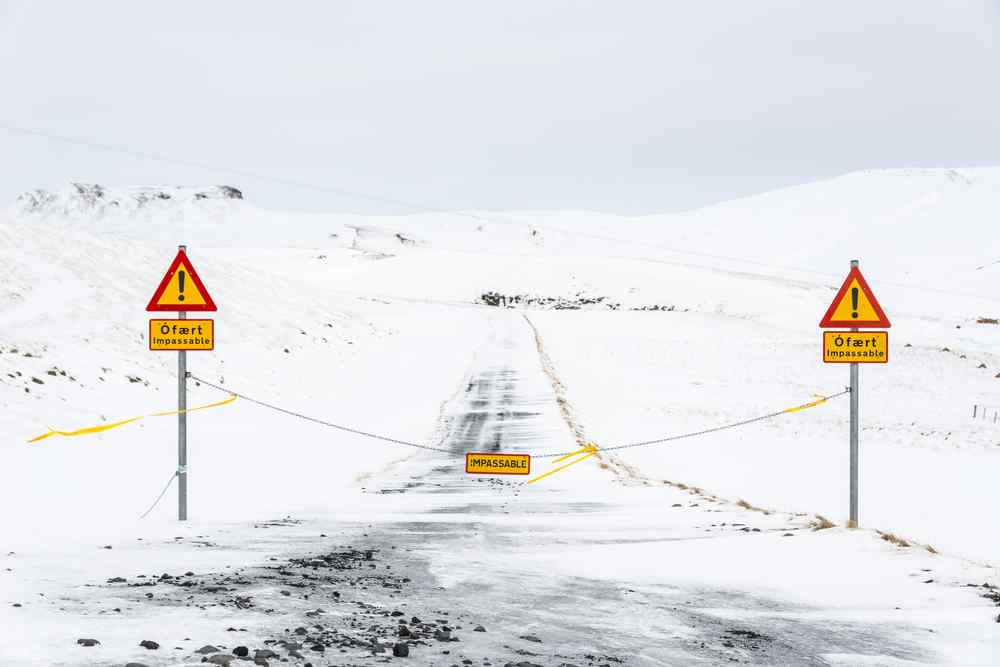
The driver is still responsible for deciding whether the trip should go ahead. If weather warnings are severe or the road is closed, do not drive. Never pass a “road closed” sign, barrier, or closure notice to “see how bad it is.” Closed-road classifications exist for safety, and entering may leave you responsible for recovery or emergency-response costs.
Insurance Must-Haves
Driving in Iceland in February comes with its own brand of chaos, and no, basic coverage won’t save you from it. All our rentals include CDW (Collision Damage Waiver), which covers bodywork damage, and SCDW, which lowers your deductible to 150,000 ISK. Theft Protection (TP) is included too, but Iceland isn’t exactly known for car thieves.
Good start, but not enough. We also offer Gravel Protection (GP), which covers chipped paint, shattered headlights, and cracked windshields. Essential, because gravel damage is a thing here.
Now for what’s not usually covered. Wind damage? Not covered. River crossings? You’re on your own. And volcanic beauty has a price. Sand and ash damage can destroy your paint job, and it isn’t covered unless you add SAAP (Sand & Ash Protection).
Trust us, it’s worth it. Want full peace of mind? Add the Liability Waiver and drive like nothing costs anything.
- Learn more about Iceland Car Rental Insurance in this article.
Emergency Add-Ons
Driving around Iceland in February means planning for the things you hope won’t happen. These add-ons won’t make you invincible, but they’ll make you less helpless.
- 4G WiFi or satellite tracker: A hotspot keeps you connected, while an appropriate tracking or communication device can provide an additional safety layer on remote routes.
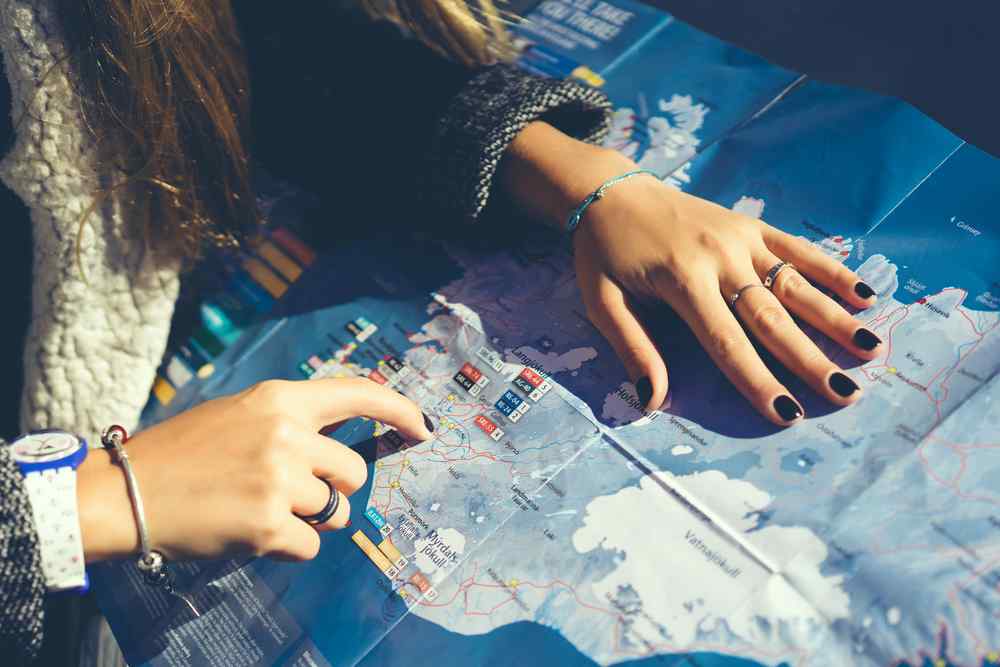
- GPS and offline maps: Navigation remains useful when mobile coverage is weak, but it must be combined with official road and weather information.
- Charging cables and power bank: Cold drains batteries fast. Keep your phone, GPS, and WiFi alive or risk going dark.
- Shovel: You won’t need it until you really need it, especially in rural parking areas or shallow snow accumulation.
- Headlamp or flashlight: February daylight disappears quickly. Changing a tire at 5 PM can feel like midnight.
- Thermal blanket: For breakdowns, delays, or when curiosity leads you somewhere cold and stupid.
Safety Gear & Techniques
If you’re still wondering how to drive in snow, here’s a hint. It starts before the engine does. The right gear and a few good habits can make the difference between a sketchy drive and a rescue call. Here are some more practical tips to keep in mind:
- Ice scraper and snow brush: Clear your windows, mirrors, lights, and roof fully. Peeking through a porthole isn’t brave; it’s reckless.
- Reflective vest: If you have to step out on a dark road, make yourself visible.
- Tire pressure gauge: Cold affects tire pressure. Check it regularly or ask the rental company for guidance.
- Night driving: If you're on a rural stretch after sunset, expect full darkness. Use high beams responsibly and dip them for oncoming traffic.
- Know when to stop: If drifting snow hides the road or strong wind makes the vehicle difficult to control, reach a safe stopping point. Surviving is the flex.
February Road Conditions & Safe Routes
Iceland’s roads in February don’t just change day by day. They change hour by hour. What looks open in the morning might be buried by lunch. If you’re banking on Google Maps and blind optimism, you’re going to have a bad time. Let’s get into what’s open, what’s safe, and what’s just plain stupid to attempt.
Open Roads and Closures
Not all road-status labels mean the same thing. An open road can still be icy, exposed, or difficult, so “open” is not the same as “safe for every driver or vehicle.”
A closed road is closed for a reason: snow, ice, wind, poor visibility, avalanche risk, or a combination of hazards. Do not drive around barriers, ignore signs, or “test” the route. A road listed as impassable or extremely difficult should also be treated as a no-go for most visitors without local winter-driving experience.
Before every drive, check Umferdin.is, the official live road-information service. Review the full route, not just the starting point, and check again during the day if conditions are changing.
Navigation Tips
If you’re driving in rural areas, do not treat Google Maps as a winter-safety tool. It can estimate a route and distance, but it may not reflect a new closure, drifting snow, black ice, or rapidly worsening visibility. Carry offline navigation as a backup, then cross-check the route with Umferdin and the official forecast and warnings on Vedur.is.
Build buffer days into your trip. The weather will not care about your schedule. A storm can shut down a section of road for hours, sometimes days. If you’re tight on time, you’re asking for stress.
And about gravel roads. They’re not quaint backroads. They’re rough, slippery, often narrow, and brutal in winter. If your rental agreement includes Gravel Protection, it’s because these roads have a reputation. Don’t take one unless your vehicle can handle it, and your nerves can too.
Winter Driving Times Are Not Google Maps Times
A map estimate assumes normal progress. February adds wind, ice, poor visibility, snow-clearing operations, closures, slower traffic, and unplanned stops. A short route can therefore take much longer than expected—or become impossible that day.
| Example Route | Typical Map Estimate in Clear Conditions | Conservative February Planning Window |
|---|---|---|
| Reykjavík to Borgarnes | About 1 hr 15 min | 1.5–2.5 hours |
| Reykjavík to Vík | About 2 hr 30 min | 3.5–5 hours |
| Vík to Jökulsárlón | About 2 hr 30 min | 3.5–5 hours |
These are planning examples, not promises. Conditions can make any estimate irrelevant, so never use the longer figure as a deadline. Check the complete route before departure and be ready to turn back or stay overnight.
Watch for wind-exposed coastal sections, mountain passes, and narrow bridges. Slow down before exposed areas, keep both hands on the wheel, and avoid abrupt steering. Fog, drifting snow, frost heaves, and blind hills can reduce visibility and grip with little warning.
Local Driving Laws and Driver Responsibility
Iceland’s general speed limits are 50 km/h (31 mph) in built-up areas, 80 km/h (50 mph) on gravel roads, and 90 km/h (56 mph) on paved rural roads unless signs state otherwise. Those are maximum limits, not target speeds. In snow, ice, wind, or poor visibility, the safe speed may be far lower.
Rules governing studded tires are seasonal and may be updated or temporarily adjusted. Use the tires supplied or approved by your rental company and follow current official rules rather than assuming studs are permitted without restriction.
Stopping for photos? Use a designated parking area or pull completely and safely off the roadway without damaging vegetation. Driving off-road or ignoring a road closure can lead to penalties, vehicle damage, and personal recovery or rescue costs.
Smart Winter-Driving Decisions
Locals do not rely on the vehicle alone. They check the forecast, the road status, and whether the trip still makes sense.
- If in doubt, don’t drive out: No view is worth getting stranded.
- Do not follow another vehicle as proof the road is safe: A bus, truck, or local driver may have different equipment, experience, or destination.
- Choose level, designated parking: Avoid stopping on an icy slope or in a traffic lane.
- Stop before conditions become unmanageable: If visibility or wind worsens, reach a safe parking area or settlement rather than pushing on.
- Turn around early: Waiting for a clear no-go signal can leave you with fewer safe options.
What to Do If Roads Close or Conditions Turn Bad: Step by Step
Winter driving in Iceland is less about proving your skill and more about making the right decision early.
If Roads Close
- Stop somewhere safe before reaching the closure.
- Check the full route on Umferdin.is, including connecting roads.
- Check warnings and the regional forecast on Vedur.is.
- Consider only safe alternatives on maintained main roads.
- If no safe route exists, return to the nearest settlement or stay overnight.
- Do not drive around a barrier, follow tire tracks past a closure, or “test it anyway.”
If Visibility Turns to Whiteout
- Reduce speed smoothly—do not brake suddenly.
- Use low-beam headlights and increase following distance.
- Avoid abrupt steering, acceleration, or lane changes.
- Look for a clearly designated parking area, service station, or other safe place off the carriageway.
- Do not stop in a live traffic lane or on a snow-covered shoulder that may hide a ditch.
- Once safely stopped, wait for visibility to improve and recheck official conditions.
If You Get Stuck
- Stop spinning the wheels; it digs the vehicle in deeper and can damage the clutch or drivetrain.
- Turn on hazard lights and make the vehicle visible.
- Check that the exhaust pipe is clear before running the engine.
- Clear snow from around the tires only if you can do so without standing in traffic, near a blind bend, or in another unsafe position.
- Use gentle acceleration and the vehicle’s recommended traction settings.
- Stay with the vehicle unless remaining inside creates an immediate danger.
- Contact roadside assistance or emergency services when needed.
Accident or Emergency
Call 112 for injuries, immediate danger, a blocked road, or any situation requiring emergency help. Use SafeTravel.is for official safety guidance and alerts; the SafeTravel app can also help share your location with Icelandic emergency services.
Suggested February Road Trip Itineraries
Not every route is worth the drama in February. Some look fine on the map but turn into a frozen maze once you’re in them. Here’s what you need to plan a trip that’s doable, safe, and still jaw-dropping. Let’s look at where you can realistically go.
Driving the Ring Road in February
Driving Iceland’s Ring Road in February is possible. But easy? No. This is not a casual cruise. It’s a winter gauntlet that demands flexibility, planning, and a healthy respect for bad decisions.
Many winter travelers start counterclockwise so they reach the better-serviced South Coast first. But no direction is automatically safer: current road and weather conditions should decide whether you continue, turn back, or abandon the full loop.
The East Fjords are brutal in winter. Narrow switchbacks, snowdrifts, and zero room for error. The north coast gets slammed by storms and road closures on a regular basis. If you're not building in 2 to 3 buffer days, you’re asking for stress. Plan on 8 to 10 days minimum, or skip it and stick to the south.
South Coast Highlights
If you’re not sure where to start, start here. The south coast is the best stretch of driving Iceland’s Ring Road in February for first-timers. It’s plowed often, packed with unreal stops, and doesn’t throw as many curveballs as the east or north.
The route from Reykjavík to Vík is loaded with bang-for-your-buck scenery. You’ll hit Seljalandsfoss, Skógafoss, Reynisfjara’s black sand beach, and maybe even sneak out to Jökulsárlón Glacier Lagoon if the weather holds. The roads are mostly paved and relatively flat, which helps when the wind picks up or the snow starts falling sideways.
Unlike the rest of the Ring Road, this section gets regular tourist traffic year-round. That means more road clearing, more emergency help, and better infrastructure. Still, don’t get cocky. Conditions can change fast, and ice doesn’t care how good your Instagram spot is.
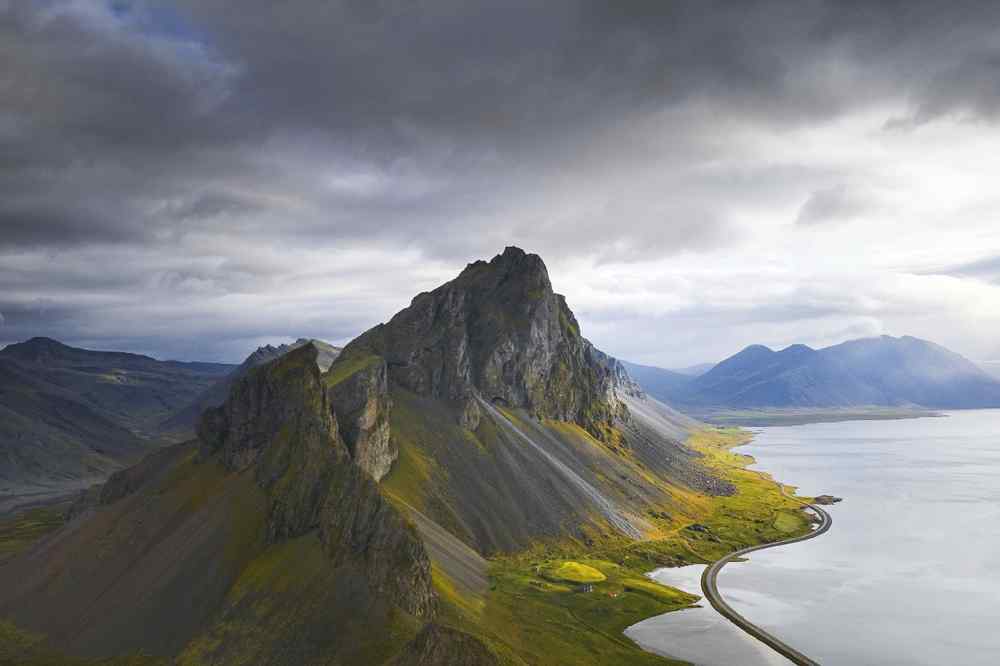
You can stretch this trip over 2 to 4 days, depending on how often you stop and how far you want to go. And you will want to stop. A lot. Every waterfall looks like it was Photoshopped. Every turn brings another ‘pull over now’ moment.
Best Areas vs. Areas to Avoid in February
- Best for first-time winter drivers: South Coast. It generally has more traffic, more services, and more frequent winter road maintenance than remote regions. Conditions can still become dangerous, so check before every drive.
- Use extra caution: Eastfjords and North Iceland during storms. Exposed mountain roads, drifting snow, and closures are more common, and services may be farther apart.
- Avoid: Highlands and F-roads. They are not suitable for February self-drive tourism and are generally inaccessible or closed during winter.
What to Pack for February Driving
You’ve seen the puffin socks and overpriced thermals. This isn’t that list. This is the packing list for Iceland that actually matters when you're stuck on a back road in a snow squall with fogged windows and dead WiFi.
- Extra windshield washer fluid: Use winter-grade fluid suitable for low temperatures.
- Microspikes or ice cleats: For walking safely around icy parking areas or sketchy viewpoints.
- Portable phone charger: Cold drains batteries. Fast.
- Headlamp or flashlight: For night repairs or finding gear in the dark.
- Emergency blanket or sleeping bag: If you’re stuck waiting for help, layers alone may not cut it.
- Basic shovel: Compact, sturdy, and capable of moving snow.
- Snacks and water: Because waiting for roadside help on an empty stomach is a bad idea.
Why Rent With Cars Iceland?
We’re not a faceless rental giant. We’re a small crew with big opinions about how to drive Iceland properly. Cars Iceland started in 2013 with two friends, a few solid vehicles, and a deep obsession with this island. That same energy runs through everything we do today.
We believe in honesty. The price you see is the price you pay. No surprise charges at checkout. We believe in quality. Every car is winter-ready, well-maintained, and backed by a support team that actually answers the phone. And we believe in familiarity. You’re not a booking number to us. You’re a traveler with a plan, and we’ll help you make it work.
We’re certified by SafeTravel.is, approved by the Icelandic Tourist Board, and proud members of SAF. That means you’re not just renting from locals. You’re renting from professionals.
Our fleet is built for this country. Every car is supplied with season-appropriate, winter-ready tires, and extras like WiFi, snow brushes, inverters, and GPS are ready to go. Need help at 2 AM? 24/7 breakdown support has you covered.
Still comparing? You could keep shopping around, or you could go with the team that lives here, drives here, and knows exactly what you’re about to get into. You should also check out our amazing guide on tips for renting a car in Iceland if you’re still unsure.
Driving in Iceland in February Isn’t Easy, but It’s Worth It
Driving in Iceland in February isn’t about chasing freedom. It’s about earning it. The roads can be brutal. The weather flips on you. But if you respect the conditions, plan like a pessimist, and drive like a local, Iceland opens up.
This isn’t a trip for tourists looking for shortcuts. It’s for travelers who pack snacks, check umferdin.is twice a day, and know when to pull over. Get the right car. Leave the ego. And when it all goes sideways, and it will, you’ll be glad you read this first.