

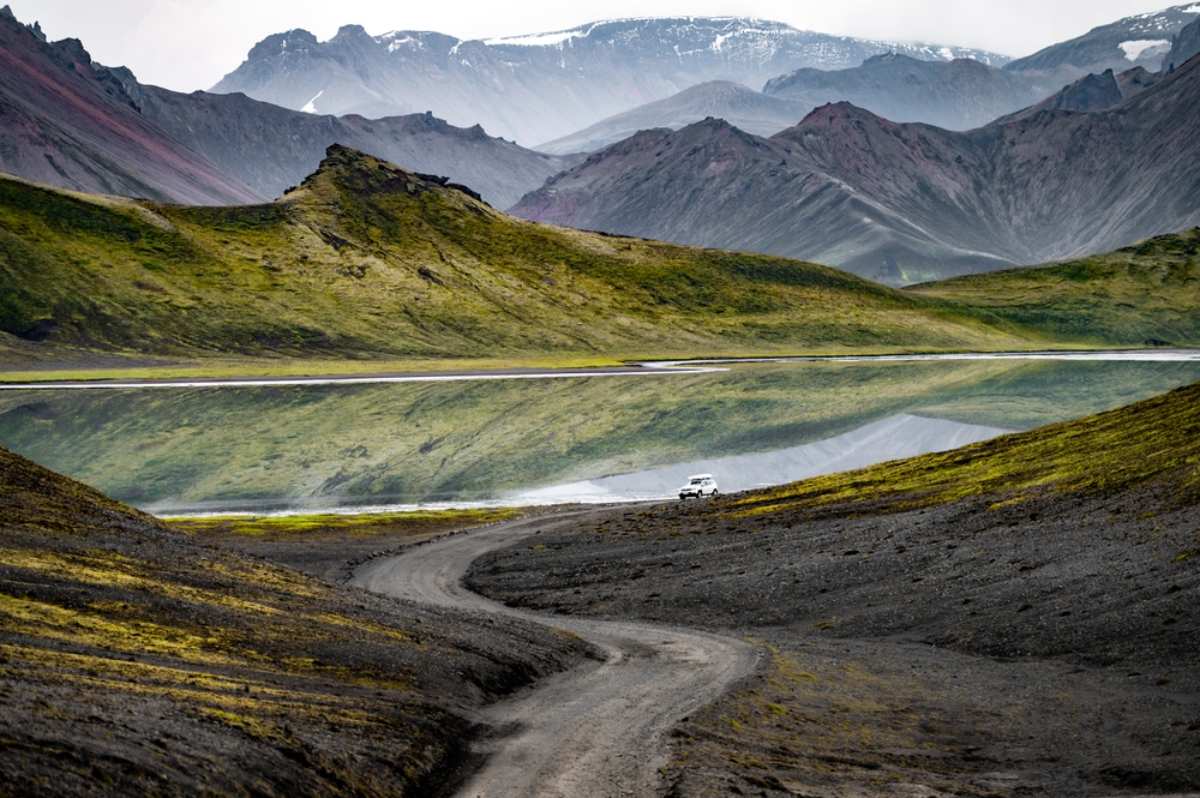




The highlands of Iceland contain some of the most scenic routes in the country. Many visitors list F208 in Iceland as one of the best highland roads for travelers. If you’re looking for an interior route that will take you to out-of-this-world locations, this road should be one of the first ones you consider.
Below, we’ll go over what makes the F208 road so special and why you should consider adding it to your itinerary. While it is only available during certain months of the year and requires a specific type of vehicle, you will be well rewarded if you make it part of your adventure.
F208 in 30 seconds (The Essentials Before You Decide)
Driving the F-roads certainly isn’t for everyone, but a quick look at what they are can help you decide if you’re comfortable adding them to your itinerary. F208 is located in the southern part of the country and is the main route leading to Landmannalaugar. It can be accessed either from the Ring Road near Vik or road 26 for the northern route.
Here are the essentials for driving F208 in particular.
Is It For You?
People who are considering driving F208 to Landmannalaugar generally fall into three categories:
Cautious Drivers
Those who don’t have experience driving on unpaved roads or who prefer a bit more predictability (at least as much as Iceland allows) may not want to take the risk of driving on gravel F-roads that have a reputation for being quite rough and having unbridged river crossings. For these drivers, F208 may feel:
- Long drives on gravel roads can feel stressful
- Washboard surfaces and rocks in the road that require more attention
- Constant worry over damaging the rental car
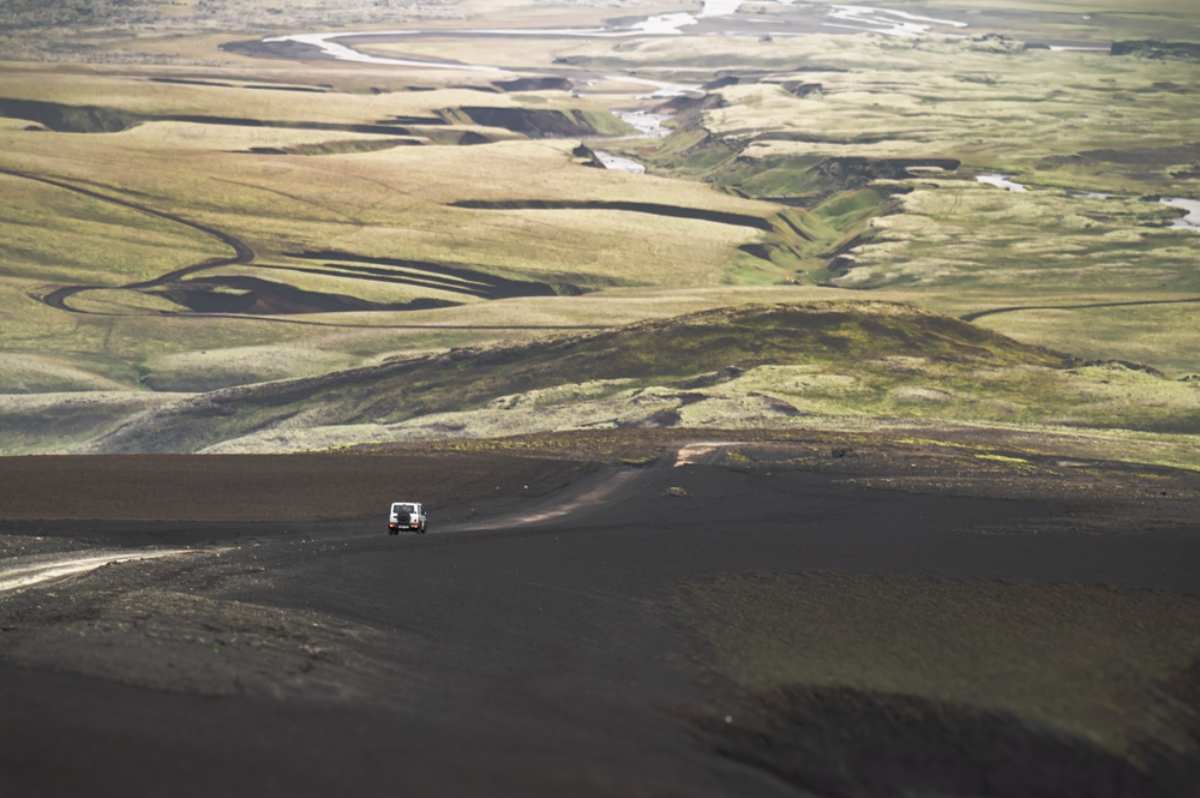
To drive this road as a cautious driver, only the north route is recommended up to the river crossing. From there, visitors can walk across the bridge to Landmannalaugar. This drive should only be completed in the summer months in a 4x4 with good clearance. A tour is a good alternative if you’re still not sure whether to drive it.
Intermediate Drivers
Someone who is somewhat comfortable driving on gravel roads in various conditions falls into this middle category. This type of driver knows the ins and outs of driving on gravel roads, taking things slowly and watching for obstacles. For these visitors, F208 may feel:
- Challenging but manageable
- Tiring stretches of rough driving conditions
- A sense of adventure and isolation
An intermediate driver should strongly consider the northern route due to the lack of river crossings. As long as they rent a proper 4x4 with good clearance, the drive is possible for this category of driver.
Experienced Drivers
Drivers who have visited Iceland before or are confident in their driving skills on unpaved, rough roadways, including unbridged river crossings, will find F208 one of the easier routes to drive in Iceland. Driving along this route can feel:
- Scenic and engaging, not intimidating
- Easily readable road conditions
- Focused more on the scenery than the difficulty
Experienced drivers can generally drive either the north or south routes of F208, but it is important to rent a 4x4 with excellent ground clearance if you wish to take the south route. Be sure to ask about road and river conditions at the ranger station before heading out. Knowing how to handle these roads is essential to getting the best experience and minimizing the risk of damage to the vehicle.
Quick Vehicle Recommendation By Section (North vs. South)
The vehicle you choose will depend on whether you plan to drive the north or the south route. For the north route, consider:
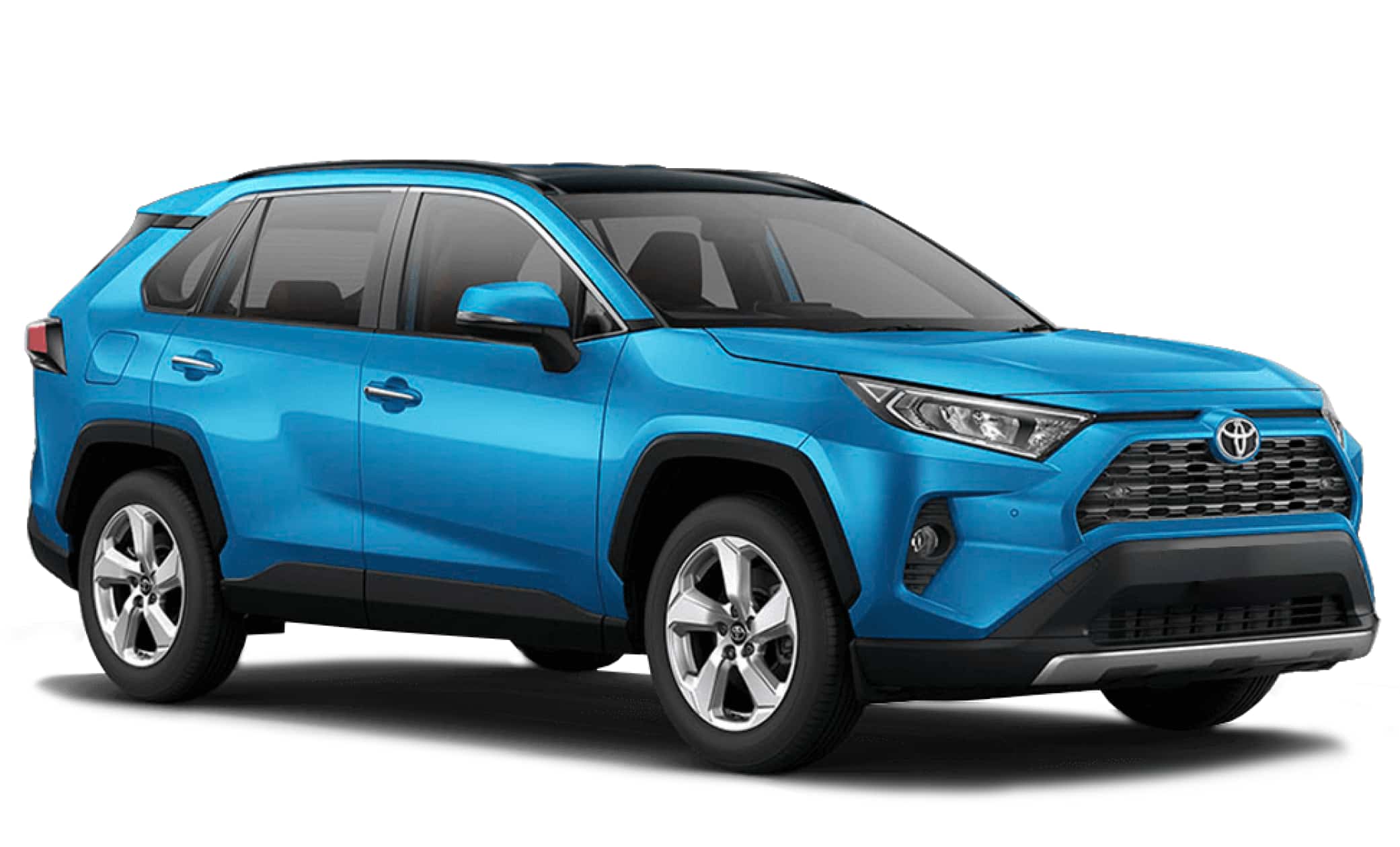
- Toyota RAV4
- Kia Sportage
- Kia Sorento
- Suzuki Vitara
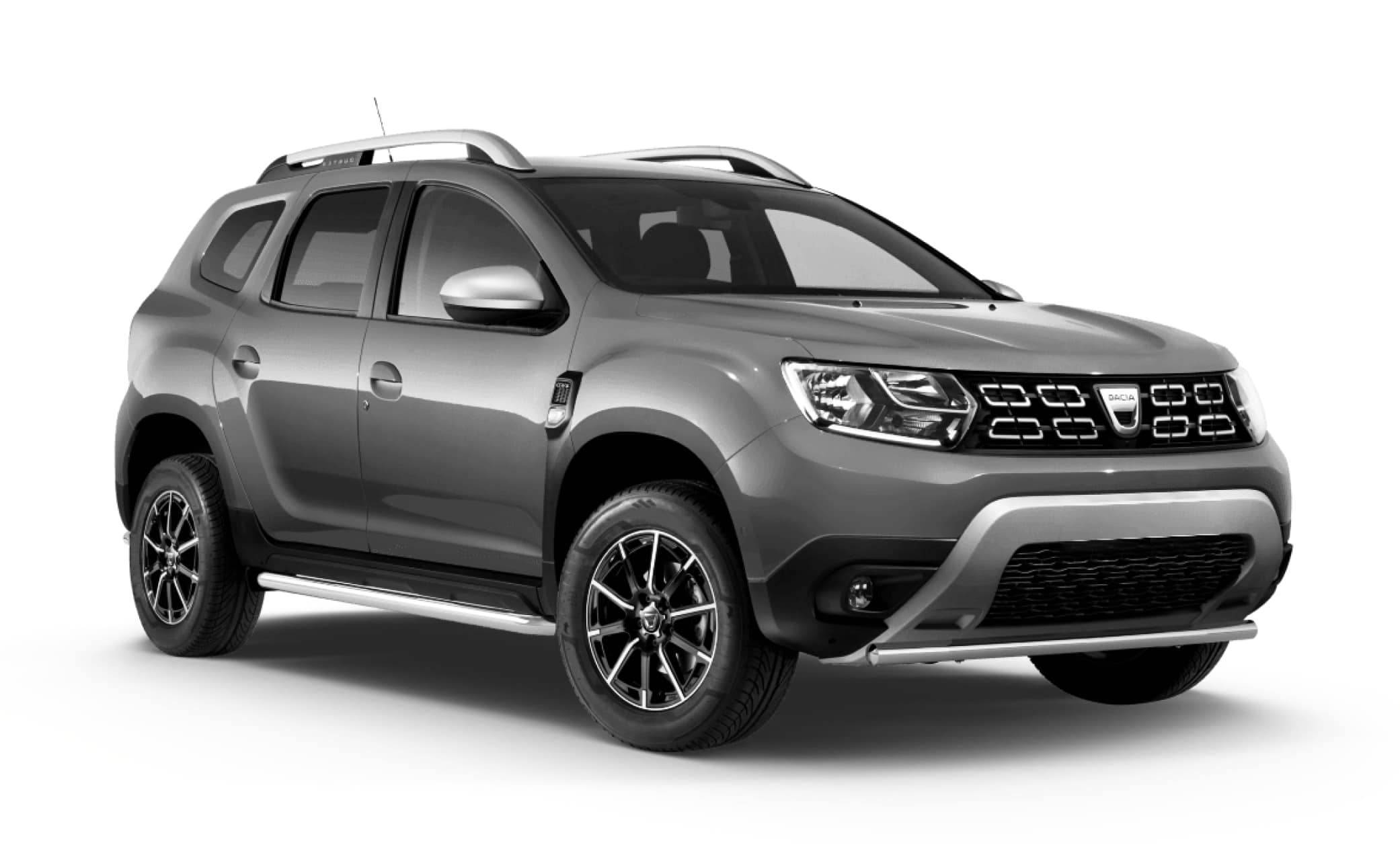
- Dacia Duster
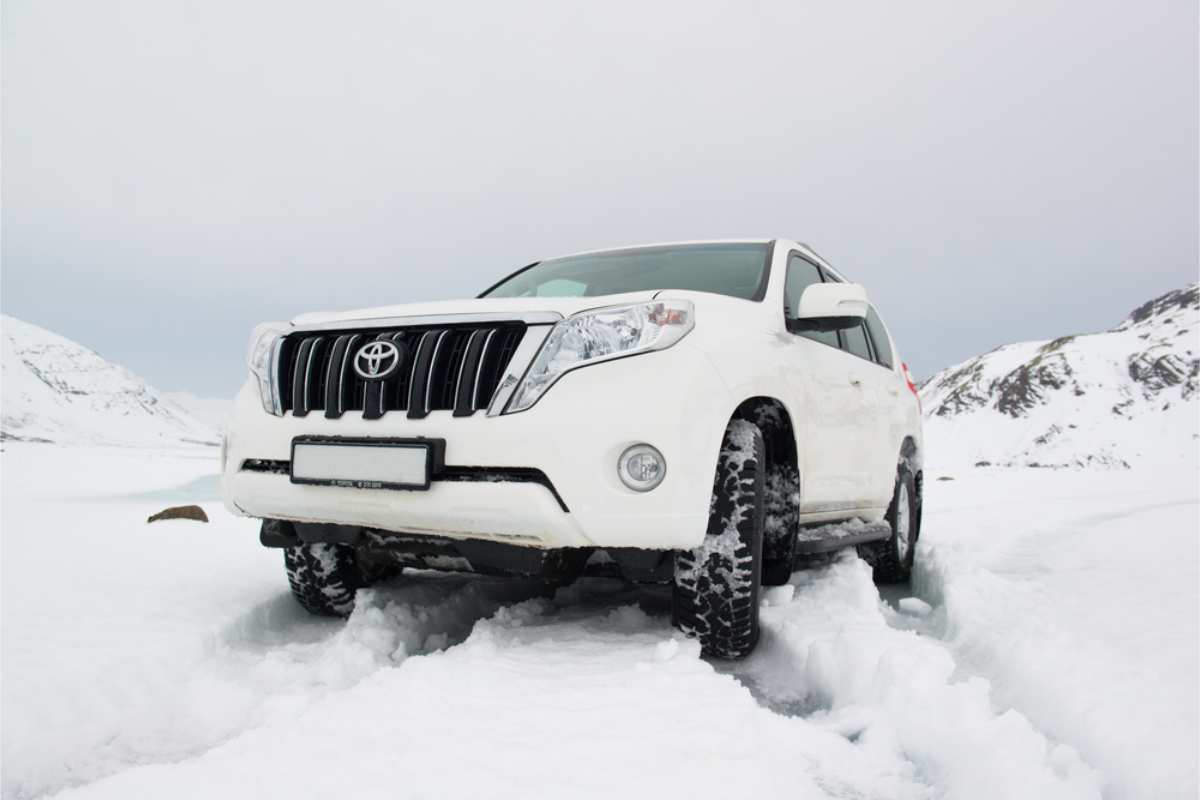
If you want to drive the south route with river crossings, consider the following:
- Toyota Landcruiser
- Land Rover Defender
- Toyota Hilux
Remember you can book any of these models with Cars Iceland at the best price.
What F208 Is and Why It’s Confusing
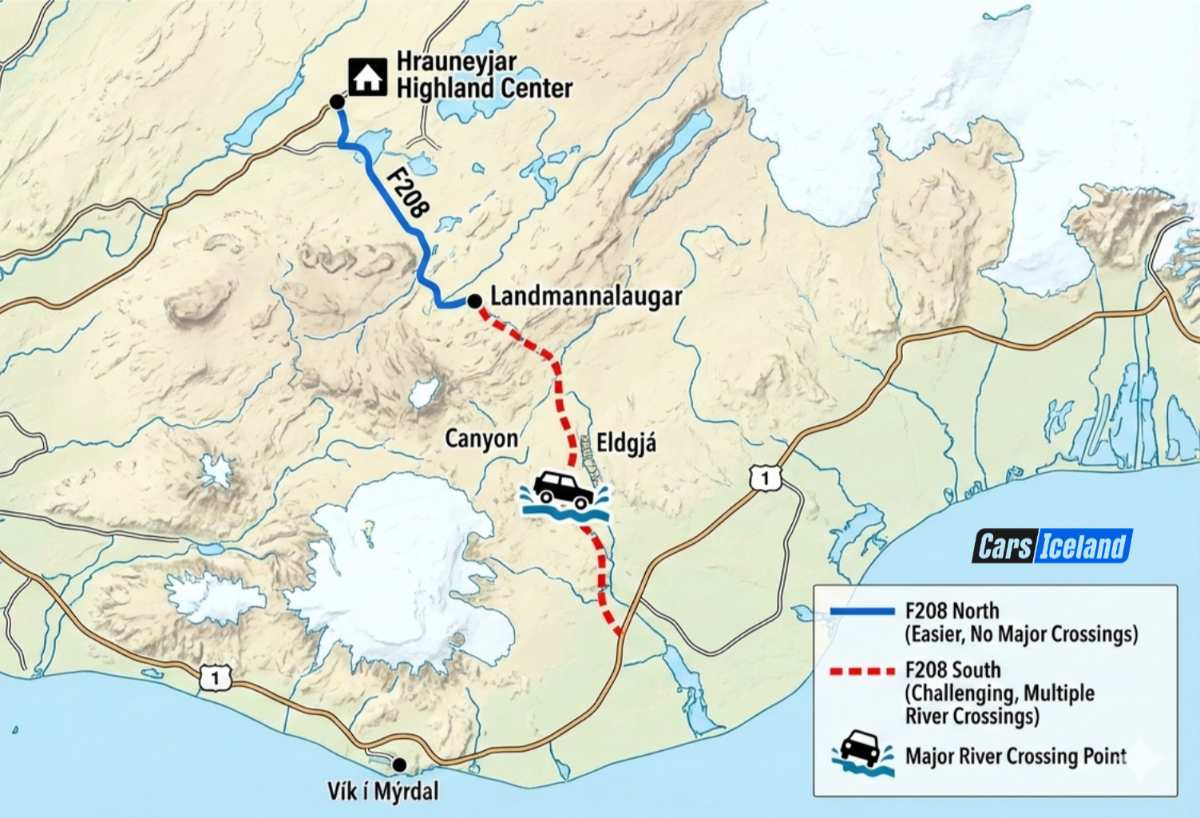
F208 is one of the highland mountain roads that leads toward the middle of the country, away from the coast. However, if you look at a map, you’ll notice that there is both an F208 and a 208 leading to Landmannalaugar. This can lead to some confusion. Several years ago, the F was removed from a portion of the northern route, indicating that it is no longer considered an F-road. It does remain an unpaved, rough road, though there are no river crossings until the very end.
Despite one section being declassified as an F-road, both routes are still only open during the summer months and require a 4x4 with good ground clearance to drive. Be sure to check with us to be sure the vehicle you choose is allowed on these roads.
The “Easier” North vs. the “More Technical” South (What Really Changes)
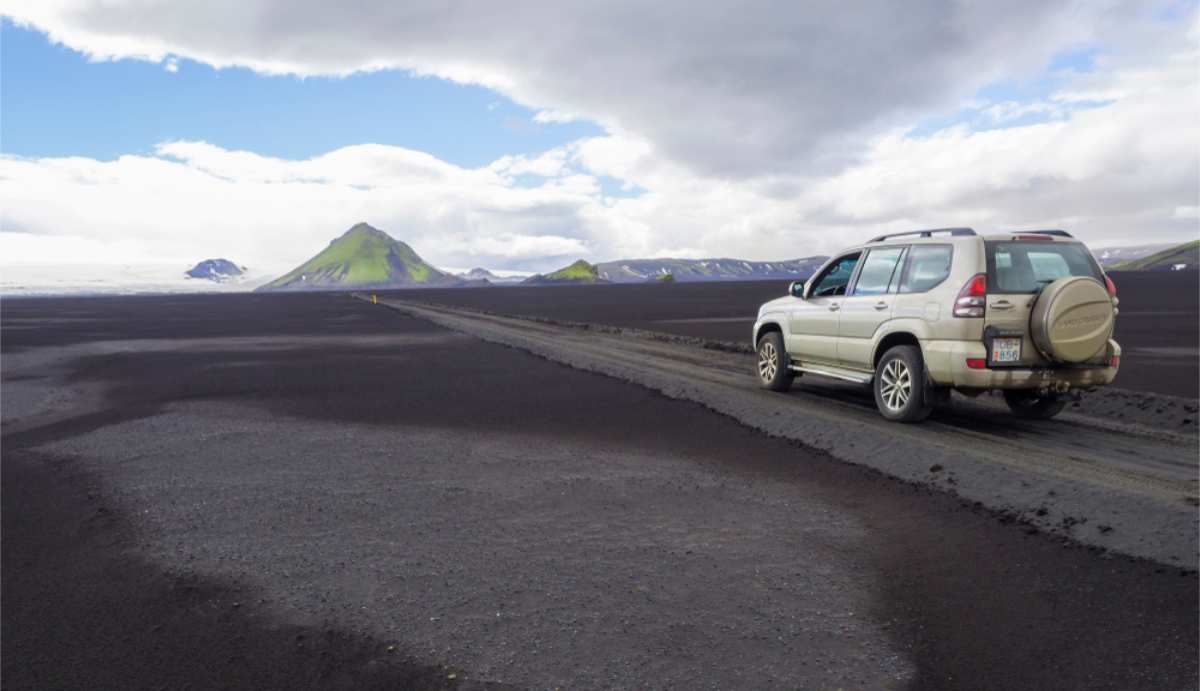
Portions of the “easier” north route have lost their distinction as an F-road, but that doesn’t mean the road is paved or smoother. In fact, it is still a rough gravel road that can have potholes, rocks, and other obstacles. Therefore, you will still need to drive carefully and have a 4x4 with good clearance. So what differentiates the north and south routes?
The north route is simply a rough gravel road that can take patience and care when driving. The biggest difference between the two routes is the unbridged river crossings found on the southern route. These river crossings can be extremely dangerous if you don’t know what you are doing. You will need to accurately assess the depth and speed of the river to determine whether it is safe to cross. Conditions change quickly here. This route is not for everyone.
F224 to Landmannalaugar
Even if you choose the “easier” northern route to reach Landmannalaugar, you will need to divert onto F224 to continue to Landmannalaugar. However, this is where the drive gets tricky, even for experienced drivers. The final river crossing on this road often requires a heavily modified 4x4 to cross safely. This means that for most rental cars, this final river crossing is forbidden. Many vehicles have gotten stuck here over the years, and lives can be lost.
Road Status and Season
As with other F-roads, the F208 road in Iceland is generally only open during the summer and early fall months. Once the snow begins to fall, these roads close for safety reasons and won’t reopen until the spring thaw is over and the ground has had a chance to harden. Therefore, it’s up to you to determine the road status and whether you can proceed.
The average opening for the north route is generally in mid-June, but portions of the road can open as early as the beginning of June or as late as the end of the month. The south route generally opens later, around the beginning of July.
Road Conditions
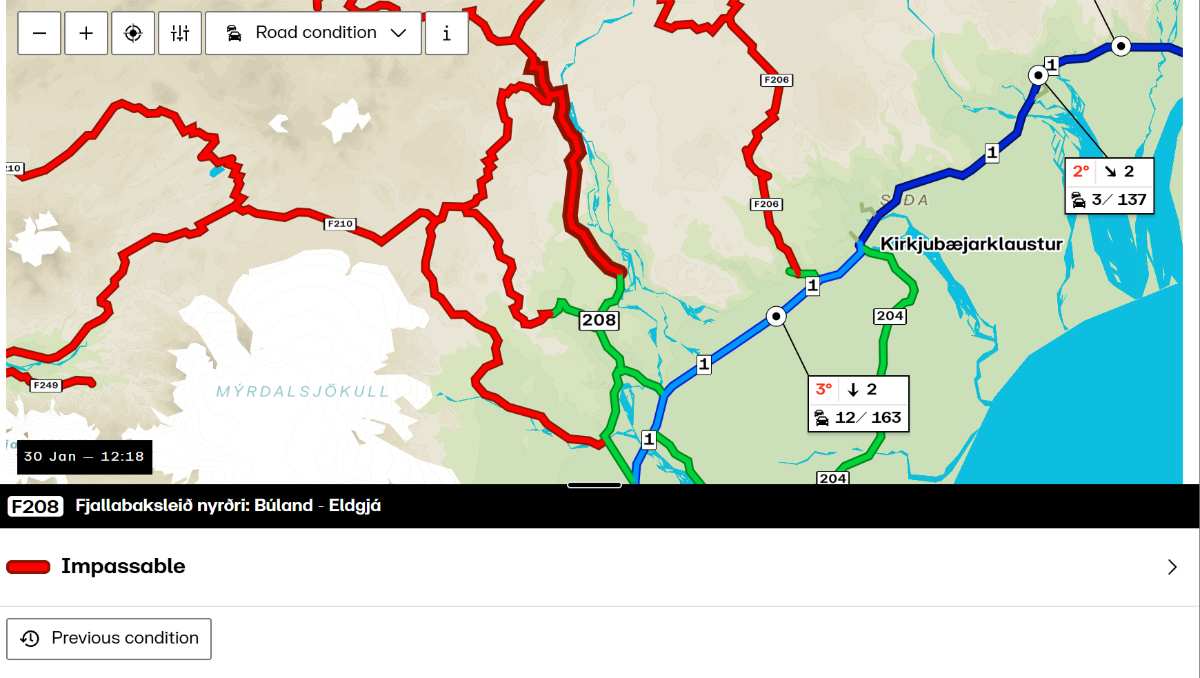
It’s essential to always check road conditions on the official Icelandic website to see whether F208 is currently open, even if you’re traveling in the summer. Heavy rains and other adverse weather conditions can occur at any time of the year, resulting in the closure of some roads, especially in the highlands. This website will also indicate when the roads open for the season.
Practical Highlands Weather
The weather in the highlands can be a different animal from the weather along the coast. The interior of the country is more susceptible to rapidly changing weather conditions, even in the summer. One of the biggest problems you’ll face, especially if traveling the south route of F208 in Iceland, is heavy rain. With rain comes rising river levels, making them dangerous or impossible to cross. Monitoring these conditions is essential.
Another problem in the highlands is high winds. These winds can negatively impact larger vehicles, making driving problematic. In addition, these strong winds can unexpectedly increase the river levels because they speed up glacial and snow melt.
Temperature also matters. Warmer temperatures result in more meltwater in the rivers. However, cold temperatures can also be a problem. Cold temperatures mean lower rivers, but at the same time, cold weather can cause slippery conditions.
Real Difficulty By Section
|
Section |
Common Name |
What It’s Like |
Difficulty |
|
North to Landmannalaugar |
208/F208 North |
Rough gravel with potholes and washboards. No rivers. |
Easy |
|
Final Access |
F224 |
Short road with pedestrian bridge access. Do NOT cross the final river. |
Easy |
|
South to Landmannalaugar |
F208 South |
Multiple river crossings with variable depths, remote area with less traffic |
Hard |
|
Southernmost Stretch |
F208 |
Bigger river crossings, weather sensitive |
Hard |
F208 North: What to Expect
When driving F208 from the north, you can expect a rough gravel road with many potholes and washboard sections. Overall, the route isn’t challenging, but there can be sharp drop-offs along the edge of the road, requiring careful attention while driving. This route doesn’t have any unbridged river crossings to worry about, making it the easier route.
F208 South: Where It Gets Tricky
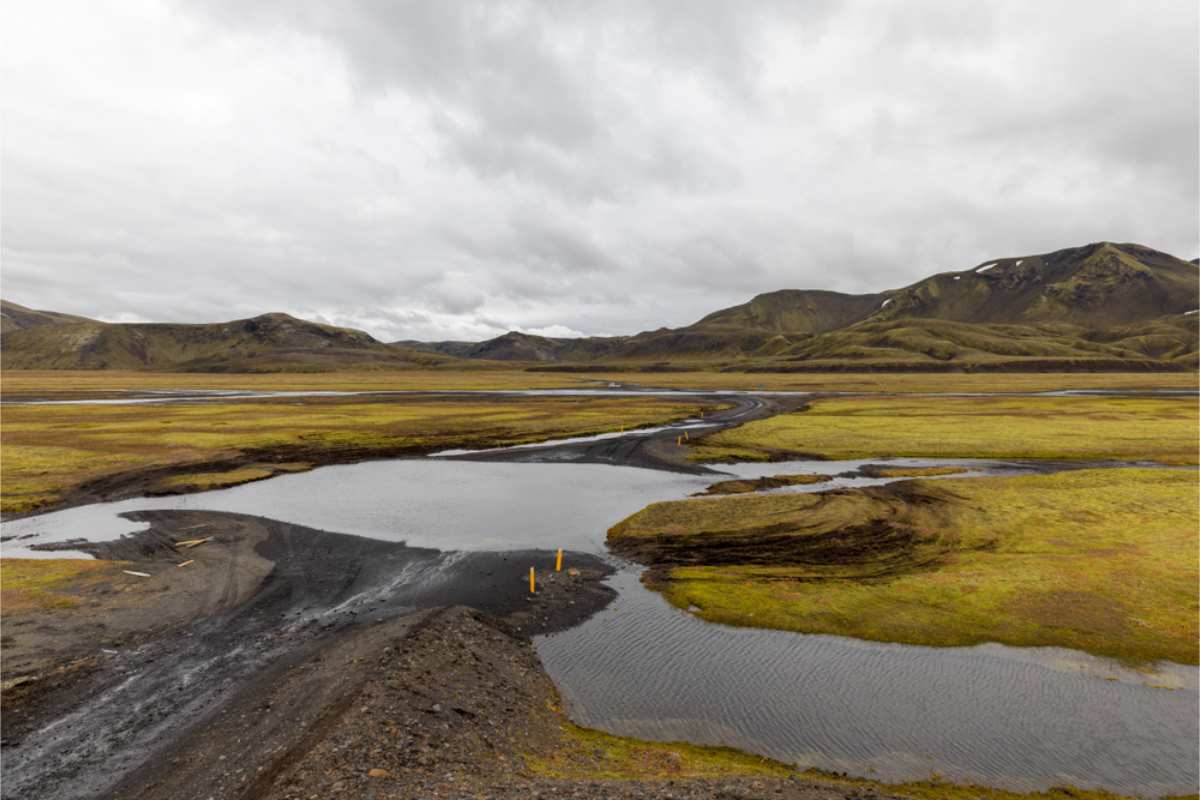
Whether you drive F208 South in both directions or only one, it’s important to know about the river crossings. There are three of them that are some of the biggest river crossings in the country. The rivers get progressively deeper as you get closer to Landmannalaugar, so you will need to use caution. If you aren’t sure, walk the river first to determine the depth or watch others cross first.
Most importantly, check the weather conditions carefully, not just the day you go, but the days leading up to your trip. Heavy rains, high winds, or warmer temperatures mean the rivers may be deeper. If it has been raining heavily, avoid the south route. Definitely don’t attempt the final river. This river is not meant for regular 4x4 vehicles, even with good clearance.
Safe River-Fording Guide
Most visitors have little to no experience driving on roads that disappear into rivers and reappear on the other side with no bridge. River fording anywhere can be dangerous, but when you combine it with Iceland’s rapidly changing conditions, it can be even more so. Here’s a step-by-step breakdown of what you need to do:
- Stop before the water. Exit the vehicle and assess the river speed, entry and exit points, and river depth. Walk the river if needed.
- Choose the right line. Enter downstream, drive diagonally, and exit upstream. Follow any existing tracks if you can see them.
- Prep the vehicle. Engage 4x4 if necessary. Drive in low gear. Crack or open the windows.
- Cross slowly and steadily. Drive at a walking pace and enter smoothly. Maintain momentum. Avoid slowing down or speeding up.
- Stop after exiting. Let the brakes dry and listen for strange noises that indicate a problem. Check for any dashboard warnings.
When crossing rivers on F208 in Iceland, avoid these common mistakes that can lead to high expenses:
- Don’t enter a river simply because it “looks fine.” Always inspect it by walking across it or watching other vehicles drive across.
- Don’t follow other vehicles blindly. Different vehicles have different clearances and weights, and some drivers are more experienced.
- Don’t cross late in the day. Always plan river crossings early because river depths increase through the day.
- Don’t drive too fast. High speeds can splash water into the air intake, flood the engine, or cause a loss of traction.
- Don’t stop in the middle of the river or hesitate. Drive confidently.
- Don’t expect insurance to cover water damage.
- Be ready to turn around if you are uncomfortable with river conditions.
Checklist Before Entering the Water (depth, current, line)
Before you enter the water, there are a few things to look for:
- River depth. Mid-calf is manageable. Knee-deep requires caution. Above the knee means turn back. Check for sudden drop-offs.
- River current. A slow, steady flow is management. Fast, choppy flow is not advised. If it’s silty or opaque, there is a higher force and current glacial melt, so crossing should be avoided.
- River bottom. Firm gravel or small stones are ideal. Soft, silt, sand, or rolling rocks are too high a risk. If you sink into the bottom, your tires will too.
- Entry and exit. There should be a clear, shallow entry with a visible, achievable exit point. Avoid steep or eroded banks.
- Line. Check for lighter-colored water, braided sections, and fresh tire tracks to gauge your line.
Crossing Technique (and Why Mornings Are Often Better)
Proper crossing technique is absolutely essential to maintain safety for yourself and your vehicle. Before you enter the water, engage the 4x4 if it isn’t already, select a low gear, disable traction control, and open the windows. Enter slowly and smoothly, and maintain a steady walking pace. Aim diagonally upstream and let the current lead you to the exit. Don’t:
- Speed
- Hesitate
- Stop mid-river
- Make sharp steering corrections
Why is morning better? It seems odd that the river depth would tie into the time of day, but it does. The cooler overnight temperatures mean less melt for lower river depths in the early morning. Warm afternoons, rain, and windy days contribute to river levels rising throughout the day. If you can, plan your river crossings for the morning.
Damage and Liability: Water Damage and What’s Often Excluded
You’ve likely heard that opting for full insurance in Iceland is the best way to protect yourself from high bills when it’s time to leave. However, it’s important to note that no rental car insurance will cover water damage caused by river crossings, even for 4x4 vehicles allowed to do them. Therefore, any river crossing you attempt is at your own risk.
Common types of water damage from river crossings can include:
- Engine hydrolock
- Electrical system failure
- ECU damage
- Transmission damage
- Interior flooding
Even full insurance won’t cover water damage to the engine, drivetrain, or any other system in the vehicle. You will also be responsible for the cost of recovering the vehicle from the river. You may be charged for:
- The full repair cost or the cost of the vehicle
- Recovery and towing
- Loss of rental income
If you can’t afford these costs, it’s best to avoid river crossings and take the north route instead.
What Car to Rent for F208 (Cars Iceland practical take)
If you’re planning to drive F208 in Iceland or any other highland road, you will need to rent the appropriate vehicle. Only 4x4 vehicles are allowed to drive on F-roads, making it essential to know where you plan to drive before you rent a car.
Minimum Requirements
First and foremost, there are minimum requirements if any F-roads are on your itinerary. In general, you will need:
- A 4x4 or AWD vehicle
- At least 20 cm (8 inches) of ground clearance, though 22-25+ cm is recommended for more difficult F-roads
- Good-quality all-terrain or reinforced gravel-rated tires with proper tread depth. Be sure to set the correct tire pressure (avoid overinflation).
- Consider your experience. Fording rivers requires confidence and a level of comfort with the conditions. You shouldn’t be afraid to turn back if needed.
Recommendations By Route
At Cars Iceland, we recommend the following options if you plan to drive to Landmannalaugar.
Northern Route Recommendations
- Dacia Duster
- Suzuki Vitara
- Jeep Renegade
- Toyota RAV4
Southern Route Recommendations
- Toyota Landcruiser
Super Jeep Tour Alternative
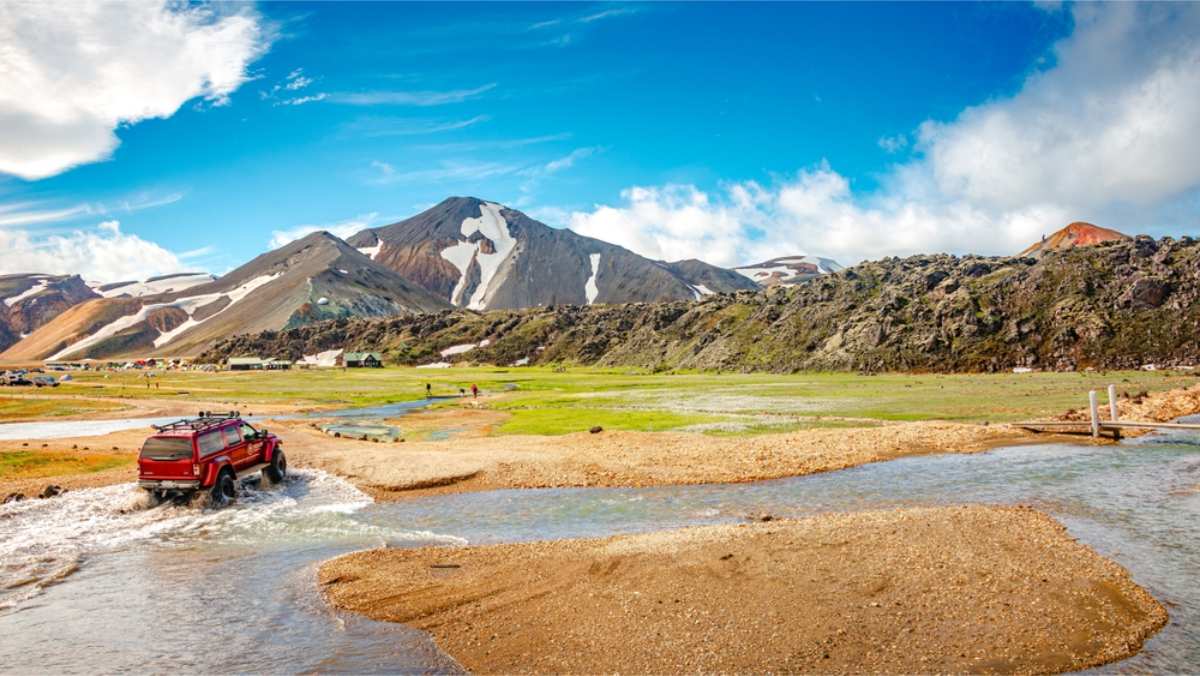
If you’re not comfortable attempting F208 in either direction, that doesn’t mean you have to delete Landmannalaugar off your itinerary. There are several companies and private guides who offer Super Jeep tours that will take you where you want to go without the stress of driving these routes yourself.
Route and Stops Worth It
One of the advantages of adding F208 in Iceland to your itinerary is the experience itself. Beyond the places to stop, the views are unforgettable as you drive through this scenic corridor. While the south is considered more scenic than the north, either route is well-worth it.
Top stops on F208 North
Driving F208 North means no stress from river crossings, frequent pull-outs, and fast-changing scenery. As you wind your way through the highlands to Landmannalaugar, we recommend adding a few of these stops:
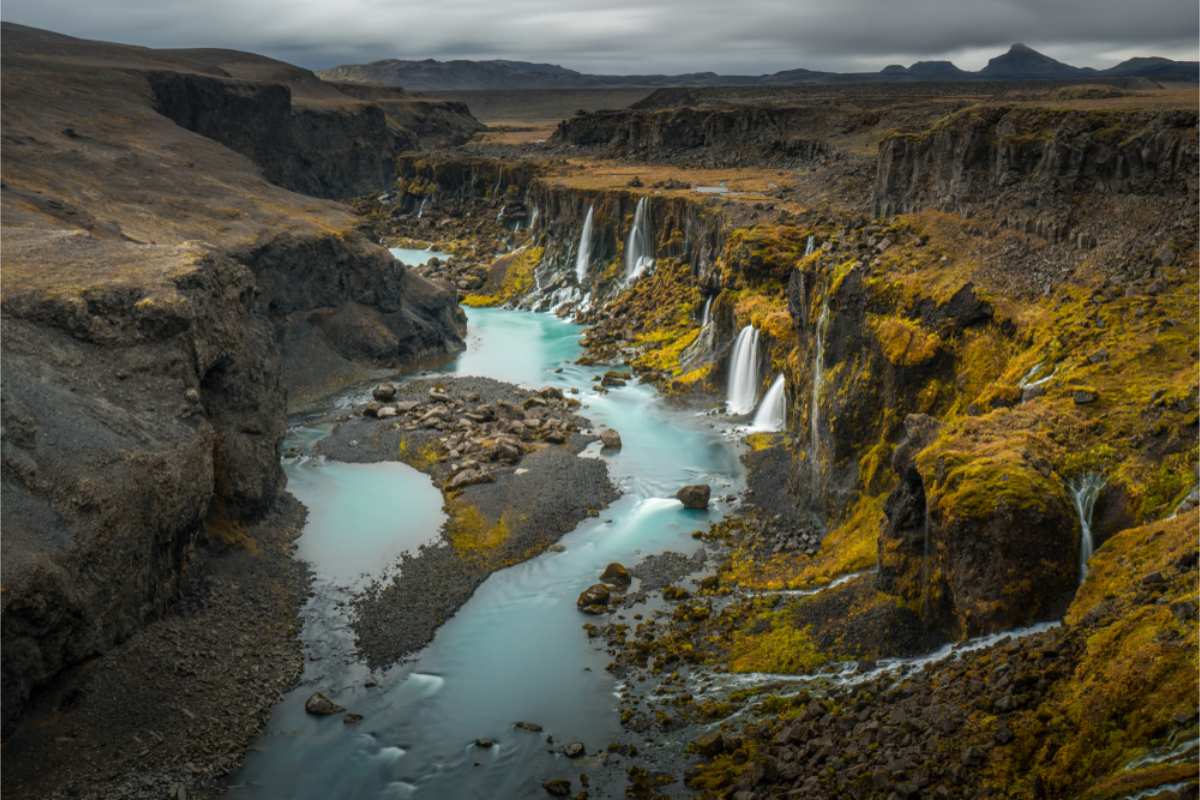
- Sigöldulón Reservoir and Sigöldugljúfur: A hydroelectric reservoir and a nearby canyon with many small waterfalls cascading down the edges. It’s a powerful stop after a long drive on a rough gravel road.
- Blautulón/Hnausapollur: These crater lakes feature bright blue water surrounded by red volcanic slopes. This area requires just a short walk.
- Ljótipollur: This lake is one of the most photogenic craters, so you’ve probably seen some pictures already. In good weather, you can walk around the lake.
As you continue toward Landmannalaugar, you will be rewarded with rolling rhyolite hills and breathtaking views.
Top Stops on F208 South
The southern route may have fewer places to stop, with more effort required, but the views are stunning. However, the weather is a critical factor in whether you can make these stops. We recommend:
- Eldgjá Canyon: This canyon is one of the largest volcanic fissures on the planet. There are multiple parking areas here. Just a short walk through this destination pays off.
- Ófærufoss: This iconic waterfall is framed by basalt cliffs, making it a popular stop. It doesn’t take long to see it before you move on to your next destination.
In addition to these stops, accepting the challenge of F208 South rewards you with beautiful lava plains and river valleys, making you want to pull over and take pictures often. Always remember to choose a safe, designated pull-off and don’t drive off-road. If you are approaching from the south, Eldgjá Canyon is a good place to turn back if the river crossings are already feeling challenging.
Smart Detours: F225/F235/Langisjór
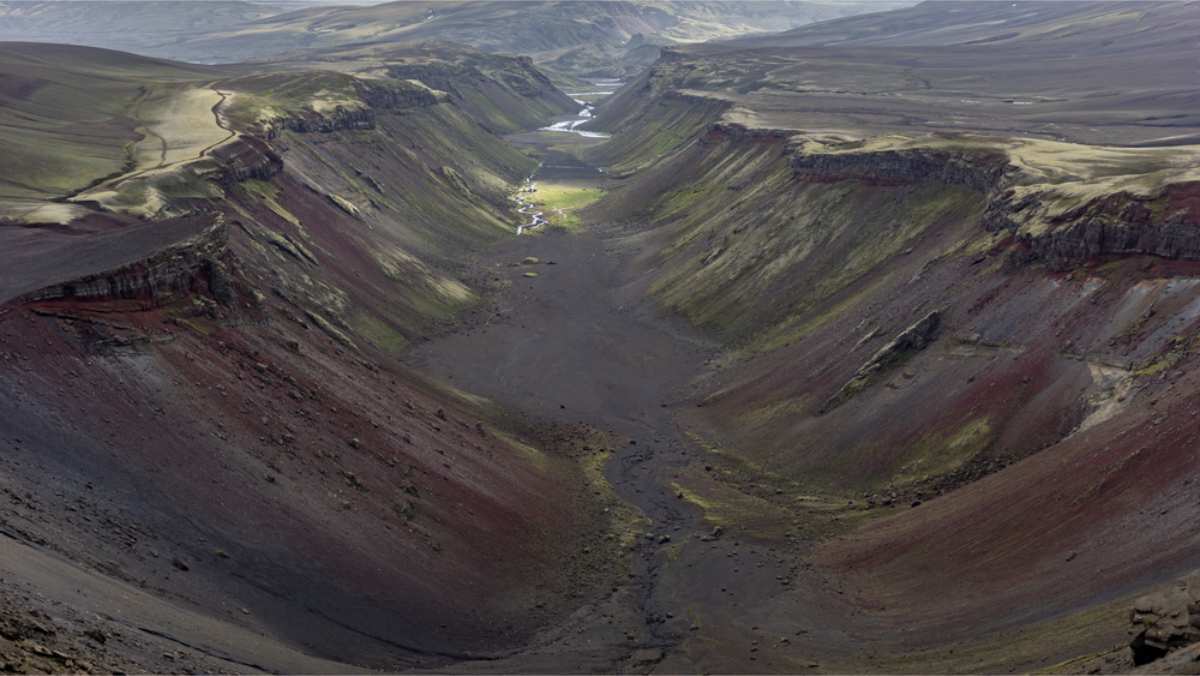
If you have some extra time in the area and the proper vehicle, you can add extra stops and routes after exploring Landmannalaugar.
F225 – Landmannaleið
This route connects to Landmannalaugar from the west and is a suitable detour for most drivers. It only has one or two shallow river crossings, depending on the weather, and has less washboarding than 208 North. It’s a more scenic route without committing to F208 South.
F235 – Langisjór access
If your rental vehicle has high clearance and you get a good weather window, the F235 route to Langisjór is a great detour. This route leads to one of the most beautiful lakes in Iceland, but the drive is remote and rougher than other routes in the area. There are some river crossings, and their difficulty varies each year, so check with the rangers at Landmannalaugar first.
F210 - Fjallabak Nature Reserve
For those who are looking for a more remote detour, F210 is often considered the most beautiful highland road in Iceland, but it is also the least forgiving. There is little traffic and plenty of rivers to cross as you drive through black sand, mossy mountains, and ever-changing glacial rivers. River crossings here are not just deep, they are also wide. Be sure to check with the rangers and the road condition website before attempting this route. It often closes due to flooding.
Landmannalaugar 2026: Parking, Reservations, and Saving Time
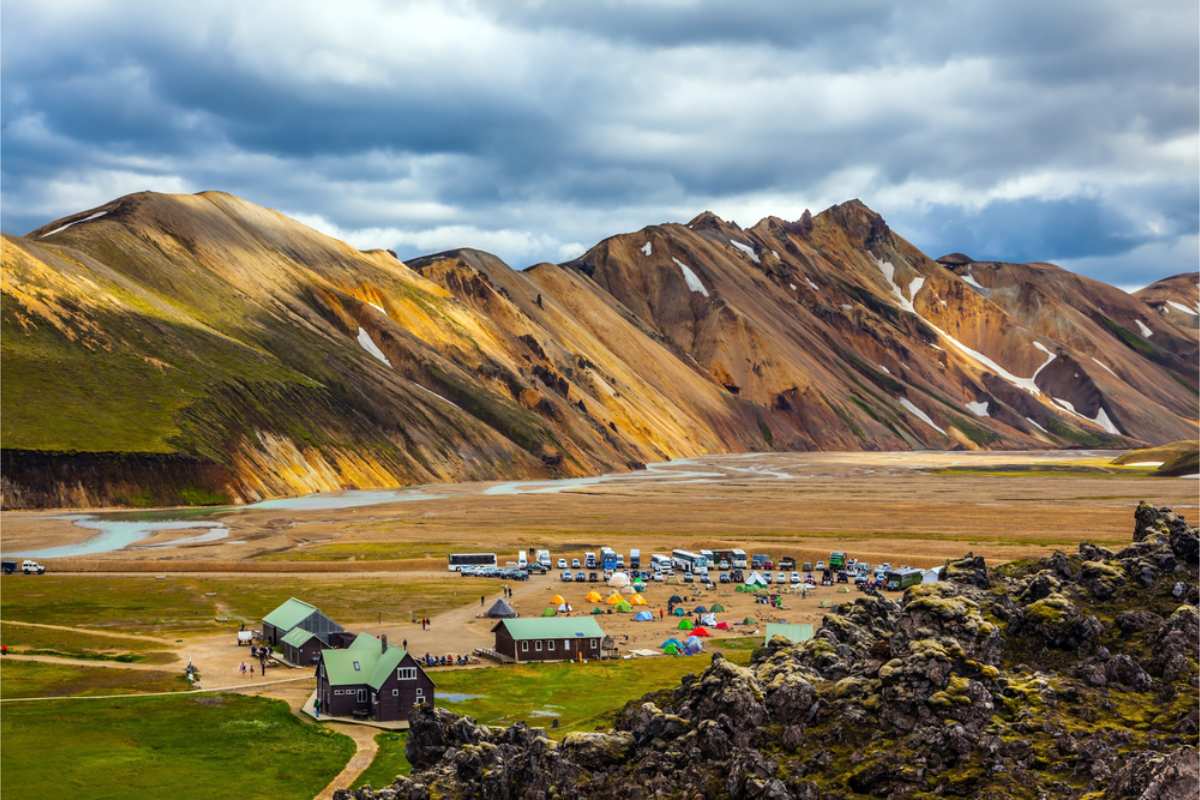
Visiting Landmannalaugar is no longer something you can do at a moment’s notice. Recently, a parking reservation system has been implemented to reduce the number of visitors to Landmannalaugar and protect the land from parking outside designated areas. Knowing how to navigate this system is essential if you want to visit.
Do I Need a Reservation?
Whether you need a reservation for Landmannalaugar depends on what time of year and day you intend to arrive in the area. Reservations typically open for the year around April 1. Reservations are required from June 20 until September 14 if you will be arriving at Landmannalaugar between 9 am and 4 pm. If you arrive outside these times, you do not need to make a reservation and will not pay for parking. The cost of parking here is as follows:
|
Vehicle Type |
Cost |
|
Family car up to 5 seats |
1200 ISK ($10 USD/8 EUR) |
|
Family car from 6-9 seats |
2000 ISK ($16.5 USD/14 EUR) |
|
Motorbike |
600 ISK ($5 USD/4 EUR) |
P1 vs. P2: Where to Park Without Crossing Rivers
The P1 parking lot is the first parking lot you will encounter when driving to Landmannalaugar from the north or south. This large parking lot is located before the major river crossing. Anyone who arrives in a small or mid-size 4x4 should stop in this parking lot and walk to the Landmannalaugar campsite via the pedestrian bridge. This is the stopping point for most drivers.
However, if you are driving a modified 4x4 with high ground clearance and are experienced in handling river crossings, you may be able to proceed to P2. However, this is not recommended for most drivers, especially those in a rental vehicle, because insurance will not cover the damage.
Safety and Connectivity in the Highlands
Iceland is generally well-connected and safe, but what many people don’t realize is that the highlands are remote areas and often don’t have the same features as driving in other parts of the country. Before you embark on your journey along F208 in Iceland, it’s important to be prepared for what you are doing.
Travel plan and the 112 App: When It’s Worth Using
Whenever you’re planning to drive into the highlands, including F208, you should consider filing your travel plan with SafeTravel.is. Here, you will enter your name and contact information, along with information about your party, where you are going, and when. Once you have completed your travel plan, you check in. If you fail to check in, Search and Rescue will be alerted that you need assistance.
Choosing this option for highland trips is beneficial because cell service in the highlands is patchy and unpredictable. Even if you managed to get a signal, it could drop suddenly.
Downloading the 112 app is also useful during your trip to the highlands and at any other time. This app allows you to send your GPS location to emergency services, so they can find you when you need help. This function works, even if the signal is weak.
Fuel, Signal Coverage, Opening Hours, and a “Plan B”
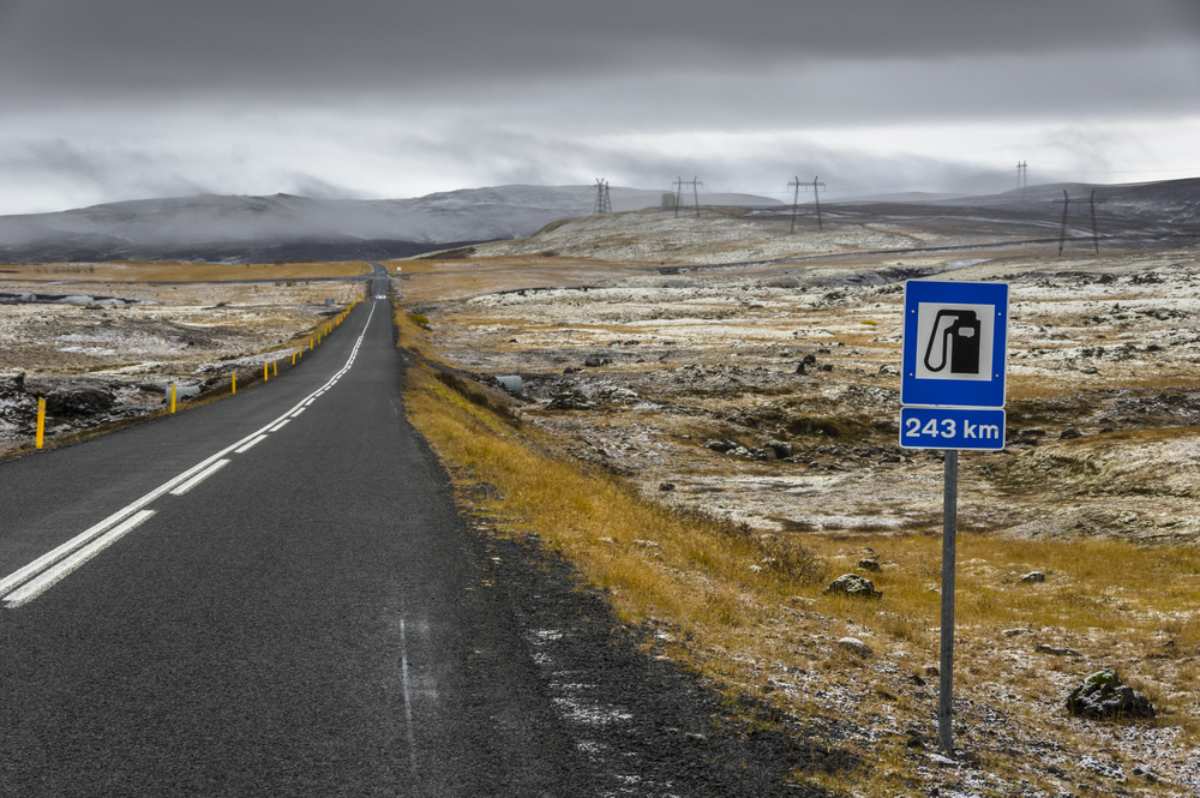
The first rule of thumb when driving into the highlands is to fuel up your vehicle before you start. Even if you still have a lot of fuel, top off before starting on F208. There are no fuel stations in the highlands.
In addition to no gas stations, the highlands aren’t a good place for cell service. Some parts of the highlands do have 4G coverage, but there are many dead spots. Download maps and any apps you may need before you go. A cell signal is not guaranteed.
Before you head out, be sure to check the road conditions and weather. The F-roads are open 24/7, but only between about mid-June and early September. These dates can change, and roads can close, even in the middle of the season. Always look for the most up-to-date information.
Finally, never plan a trip to Landmannalaugar or any other highland location without a plan B:
- Have an alternate route in case the weather or road conditions don’t cooperate
- Bring extra food or water in case of delays
- Download offline maps and bring a paper map
- Consider spare fuel if you will spend a longer period in the highlands
- Dress in layers and keep warm blankets in the car
- Be prepared to turn back if a river crossing is too intense (but not in the middle of the river)
Frequently asked questions
Can I drive F208 with a Dacia Duster?
F208 North is suitable for driving with a Dacia Duster. However, the ground clearance for this vehicle is too low to attempt the river crossings found on F208 South.
Is F208 open in September?
F208 is usually still open during the first half of September, but it often closes around the middle of the month. However, when weather conditions allow, it can remain open into October, so be sure to check the road conditions before you go.
Do I have to cross rivers to reach Landmannalaugar?
Whether you have to cross rivers depends on the route you choose. The northern route doesn’t have any river crossings, while the southern route has three significant river crossings. If you travel the western route on F224, there may be one or two small crossings, depending on conditions. Never cross the final river without a heavily modified 4x4.
Is F208 North still an F-road?
208 from the north is no longer classified as an F-road. However, you should still rent a 4x4 or AWD vehicle if you intend to drive this route because it is still a rough gravel road with potholes and washboarding.
Enjoy Exploring F208 in Iceland
If you’re ready to make the trip along F208 to visit Landmannalaugar, rent a 4x4 with Cars Iceland. When you take the time to explore the heart of Iceland in the highlands, you’ll see breathtaking landscapes that make you feel like you’re on another planet. Even though the right may be rough, it’s an experience.