

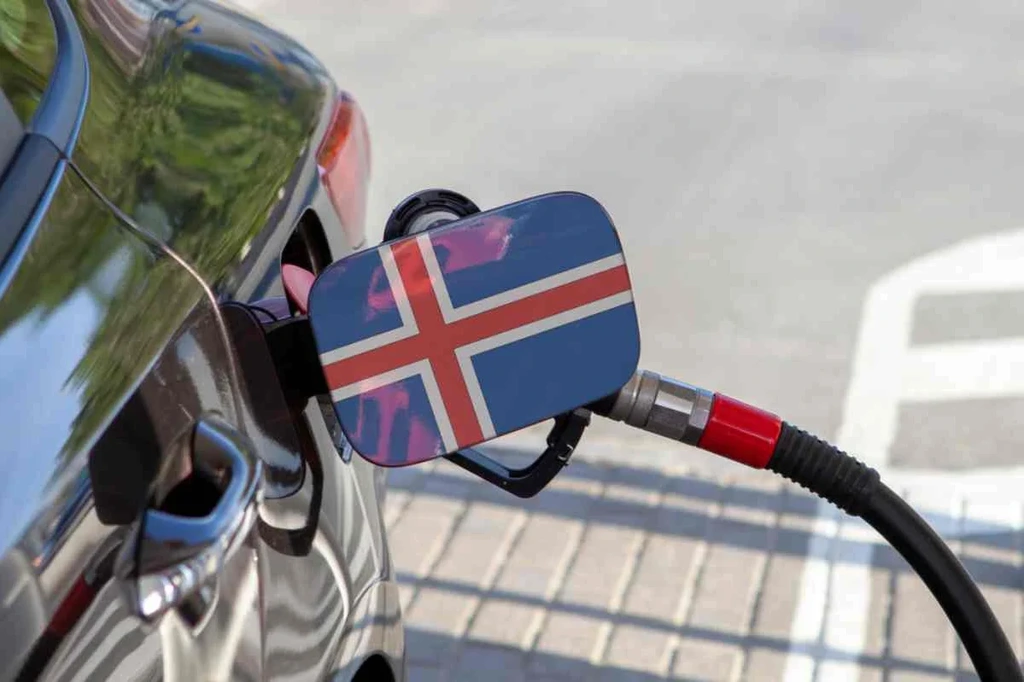




Gas prices in Iceland and how it’s taxed have changed quite a bit. If you’re still seeing old numbers, they’re wrong. As of 2026, pump prices dropped, but that doesn’t mean driving got cheaper. Part of the cost moved into a kilometer-based road tax, and if you’re renting, that changes how you budget.
So the real question isn’t just how much is gas in Iceland. It’s what you’ll actually pay to drive. With Cars Iceland, that cost is more predictable, which matters when you’re planning long routes like the South Coast or the full Ring Road.
How Much Does Gas Cost in Iceland in 2026?
Iceland’s gas prices in USD are roughly $1.45 to $1.80 per litre in 2026, while diesel pushes closer to $1.55 to $2.05 depending on the station and timing. That’s lower than the 2022 peak, but still expensive compared to most other countries.
Current Fuel Prices by Station
If you’re asking how much is gas in Iceland, at different stations, then the answer is it doesn’t matter where you fill up. Most gas stations in Iceland are all nearly in the same price range. N1 usually charges $1.60-1.75 per litre.
Olís and ÓB tend to be slightly lower, with prices ranging between $1.55-1.70. Atlantsólia and Orkan move in the same band, sometimes a few cents cheaper, sometimes not. The gap between the cheapest and most expensive station is usually $0.05-0.10 per litre.
Costco is the exception. They charge about $1.44 for petrol and $1.55 for diesel. The moral of the story is that chasing cheaper fuel here is a waste of time. Just fill up where it is convenient.
Iceland's New Kilometer-Based Road Tax: What Rental Drivers Must Know
Our country now charges road tax based on how far you drive. It even applies to when you rent cars in Iceland as well. That’s why fuel looks cheaper than it used to. Introduced on 1 January 2026, the cost moved away from fuel and into distance.
With Cars Iceland, the road tax is handled for you, so you don’t need to track or calculate anything during your trip. At the end of your rental, we take the odometer reading, calculate the kilometers driven, and apply the government road tax based on that distance.
It then shows as a clear line item on your final invoice, along with a small administration fee. If you want the full breakdown of the new road tax, it’s available on the official government website.
How the Road Tax Affects Your Total Fuel Budget
Let’s say you drive 180 km (112 mi) in a day around Reykjavík and the Golden Circle. The distance is short, but the daily road cost still applies, so it feels expensive for the ground you covered.
Now push that to 350 km (217 mi) on the South Coast then you still pay the same fee, but at least you covered more kilometres. It is not really cheaper, but at least you get better value for money.
Gas Stations in Iceland: What to Expect
Gas stations in Iceland are simple once you know how they work. Most problems come from not expecting how basic they are. Almost everything is self-service. You pull in, use your card at the pump, and that’s it.
Cash is basically useless. If your card doesn’t have a PIN, you’re going to struggle. That’s where most people get stuck. You’ll also notice a pre-authorization hold. The pump blocks more than you actually spend. It clears later. This can be a bit annoying if you’re not expecting it.
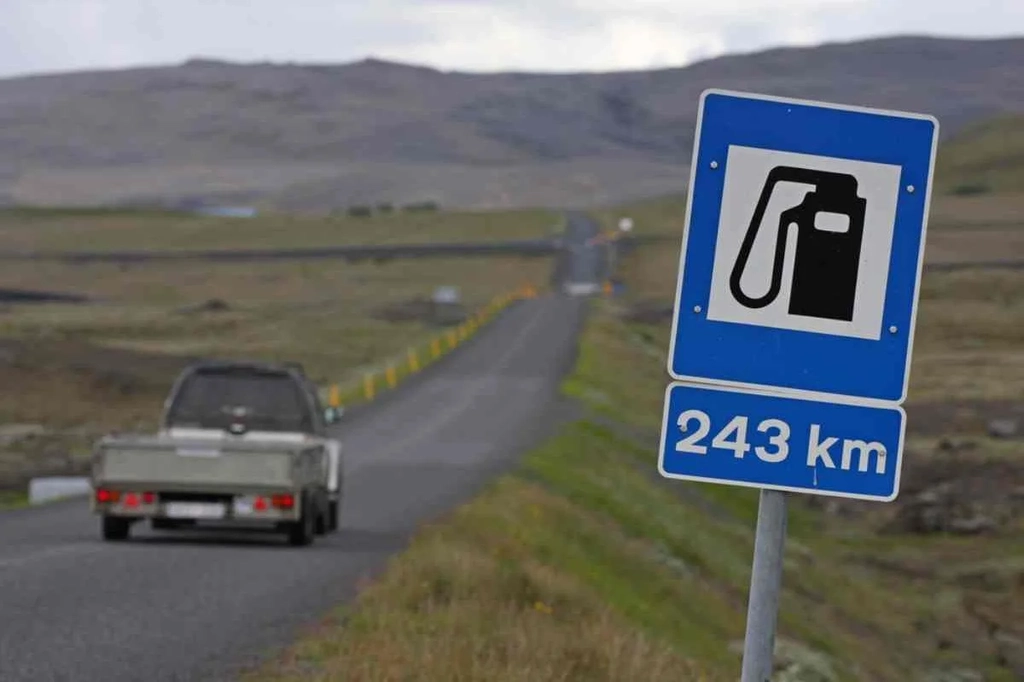
Outside Reykjavík, stations get sparse. Especially toward the East Fjords or anywhere near the Highlands. Let the tank drop too low and you’re asking for problems. Hours vary. Cities run late or 24/7. Rural spots don’t.
And in many places, there’s no one around. Just you and the pump.
N1
N1 is the easiest gas station chain to rely on in Iceland. You will see it everywhere, including places where you start wondering if you should have filled up earlier. It’s not just fuel. Most N1 stations have proper convenience stores, hot food, coffee, and basic supplies.
It’s a good stop when you actually need a break, and not just to refuel. The tradeoff is price. N1 is usually on the higher end compared to other chains. You’re paying for location and convenience, not the cheapest litre.
Orkan
Orkan is one of the cheaper places to refuel in Iceland, apart from Costco. You’ll find it across most routes, so you don’t have to hunt for it. Prices are usually a bit lower than the bigger names.
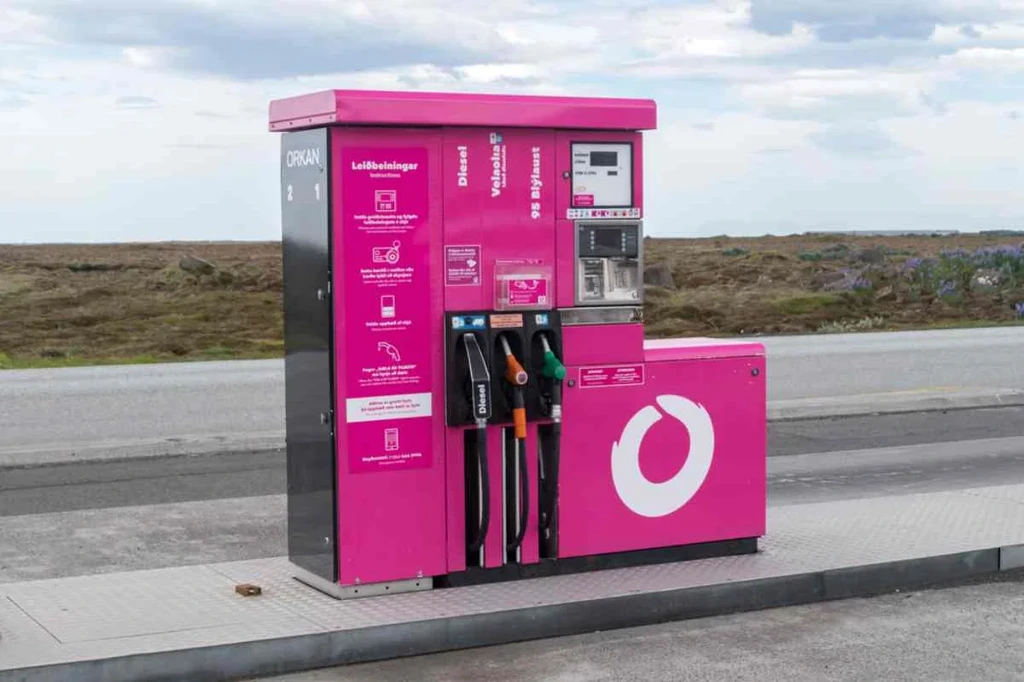
It’s not way cheaper than the others, but enough to notice if you’re filling up often. It’s still self-service like everywhere else. But unlike some bare-bones stations, many Orkan stops have proper facilities. You’ll find bathrooms, small shops, and basic food.
Olis
Olís is one of the older fuel companies in Iceland established in 1927, and you’ll see it almost everywhere. Coverage is solid, similar to Orkan, so it’s easy to rely on when planning routes. Most Olís stations are manned and come with extras.
Bathrooms, food, proper convenience stores. It’s a great stop for food and fuel. That convenience shows up in the price. Gas prices in Iceland are already high, and Olís tends to sit on the upper end because of those added services.
Ob
ÓB is where you go when you just want fuel and nothing else. It’s been around since the mid-90s and is built to keep prices down. There’s no unnecessary services, just self-service pumps and a lean setup that cuts overheads.
ÓB is actually run by Olís. They’re the same company, but with a different approach. Olís handles the full-service experience. ÓB strips it back and targets drivers who care more about price than convenience.
Atlantsolia
Atlantsolia is one of the smaller fuel chains in Iceland, and it shows. The whole setup is built to keep costs down. Here you’ll also not find shops, food, and often times no bathrooms. Just pumps.
Everything is self-service. There’s no staff, or help if something doesn’t work, so you’re on your own. Prices are usually on the lower end, which is the only real reason to stop here. You save a bit, but you give up convenience.
Costco
Costco exists in Iceland, but it’s not something you’ll casually use. There’s one location, in Reykjavík, and that’s it. You also need a membership to fuel up like in the US. If you don’t have a you can’t get access. You can sign up, but if you didn’t plan ahead, it’s not always worth the effort mid-trip.
Prices are usually the lowest you’ll find. Noticeably cheaper than the main chains. That’s the appeal. But unless you’re starting or ending in Reykjavík, it’s not practical. Good option if it fits your route.
What Affects Your Gas Consumption in Iceland?
Fuel usage in Iceland depends on more than just the car. Most people realise this a bit too late. Keep this in mind while you drive in Iceland:
- Driving style - If you’re constantly speeding up and braking, you’ll feel it at the pump. Keep it steady and it drops
- Vehicle and load - Small car vs loaded camper makes a big difference. Add luggage or a roof box and it gets worse
- Road type - Gravel and F-roads burn more fuel since they use more engine power. Long climbs don’t help either. Stick to paved roads if you want to save on fuel.
- Wind and weather - Strong headwinds will quietly ruin your fuel economy. Cold weather doesn’t help either
- How you drive your day - Short trips, stops, idling in towns. All of it adds up vs driving long distances at once
- Tyres and basics - Low pressure, poor condition. Easy to ignore, but it costs you. Always check tyre pressure at gas stations
Tips to Save on Fuel During Your Iceland Road Trip
Most people stick to the obvious fuel tips and still end up overspending. The small stuff is what actually moves the needle.
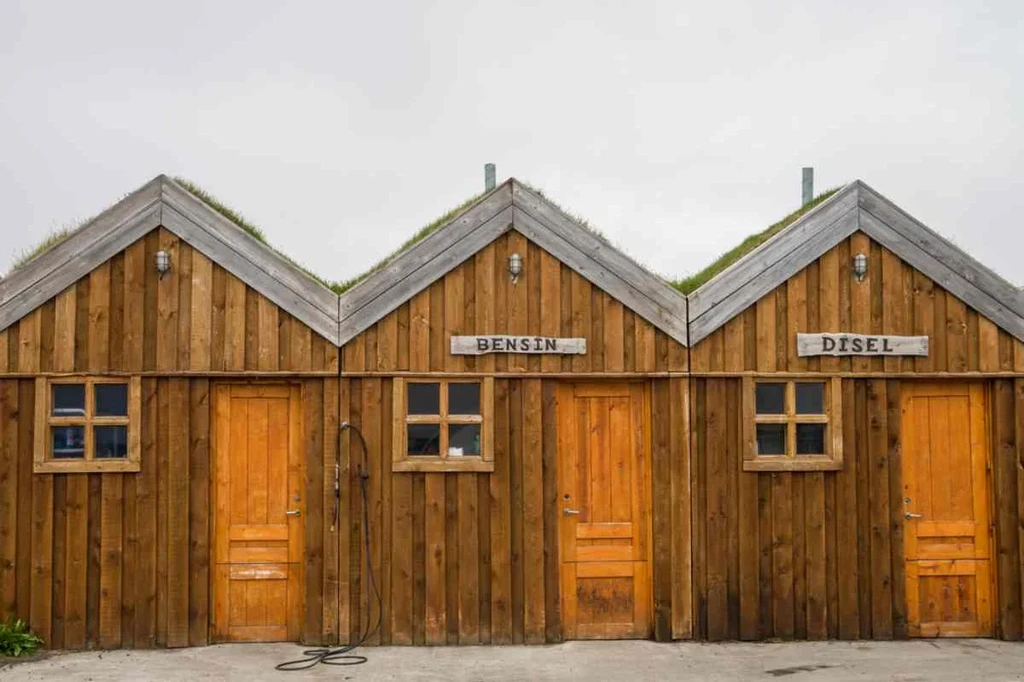
- Use discount tags - We give out fuel discounts for N1, ÓB, Orkan. It’s a few cents per litre, but over a full trip it adds up
- Fill up in bigger towns - Reykjavík and Akureyri are usually a bit cheaper. Once you head out, prices creep up
- Go diesel if it fits your trip - Better efficiency, and the price difference doesn’t always cancel that out
- Don’t run your tank low in remote areas - East Fjords, F-roads. You don’t want to be forced into the only station around
- Check prices before you pull in - Quick look on maps can save you from overpaying out of convenience
- Drop unnecessary weight - Extra gear, roof boxes, unused stuff. It all costs fuel
- Consider hybrid or electric - If your route supports it, it makes a difference. We have quite a few to choose from
How to Budget for Gas When Renting a Car in Iceland
When you budget for driving in Iceland, split it into two parts. Anything else and you’re guessing.
- Fuel cost - Start with a realistic price per litre. Around $1.65 to $1.80 for petrol, $1.75 to $2.00 for diesel. Then match that to your car’s consumption and how far you plan to drive each day. More kilometres (mi), more fuel. Simple
- Road tax - This sits on top. With Cars Iceland, it’s a fixed daily fee already built into your rental. It covers the government road tax and admin, so you’re not calculating anything mid-trip
Fuel Cost Estimator by Route
If you’re trying to figure out how much gas is in Iceland for your trip, you can use these numbers:
- Formula - (Distance / 100) x fuel efficiency x price per litre
- Distance - Golden Circle is around 300 km (186 mi). Ring Road starts at 1,332 km (828 mi) and usually ends higher
- Fuel efficiency - Small car runs about 6 to 8 L/100 km. 4x4 or camper sits closer to 12 to 16 L/100 km
- Price per litre - Petrol roughly $1.65 to $1.85. Diesel sits around $1.75 to $1.85
- Golden Circle example - 300 km (186 mi), small car. About 18 L. Roughly $30 to $35
- Ring Road example - 1,332 km (828 mi), 4x4. Around 160 L. Expect $280 to $300
Now add road tax.
- Road tax - With Cars Iceland, it’s a fixed daily fee. Around $11 to $12 per day
- Your total - Fuel + (daily fee x rental days)
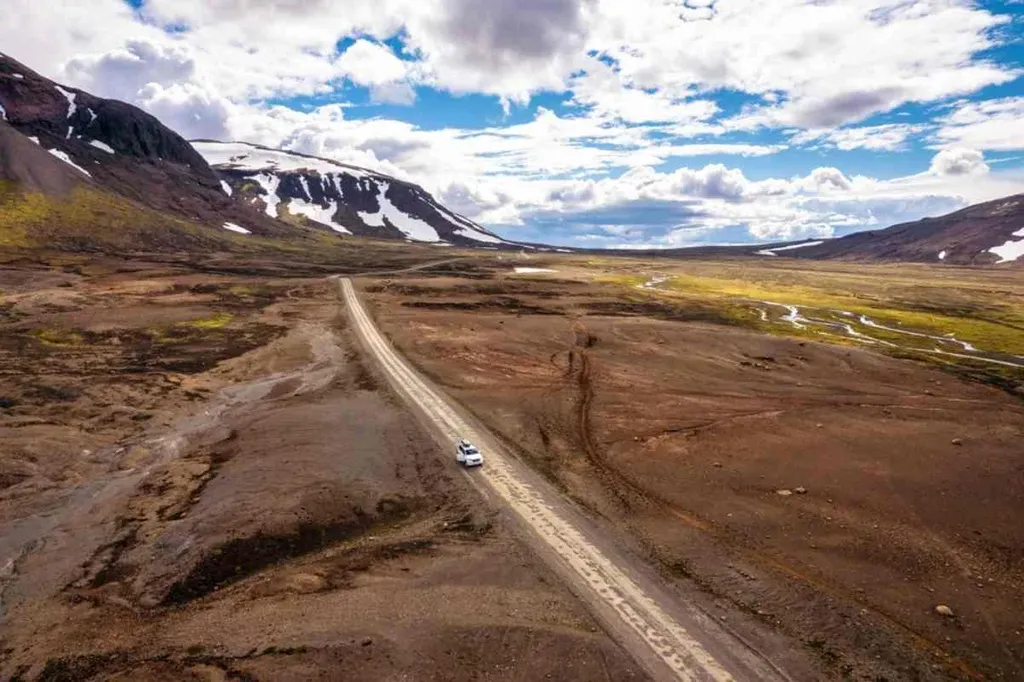
Best Fuel-Efficient Rental Cars for Iceland
If your goal is to spend less on fuel, smaller cars win. Let’s look at some cars we can recommend from our fleet:
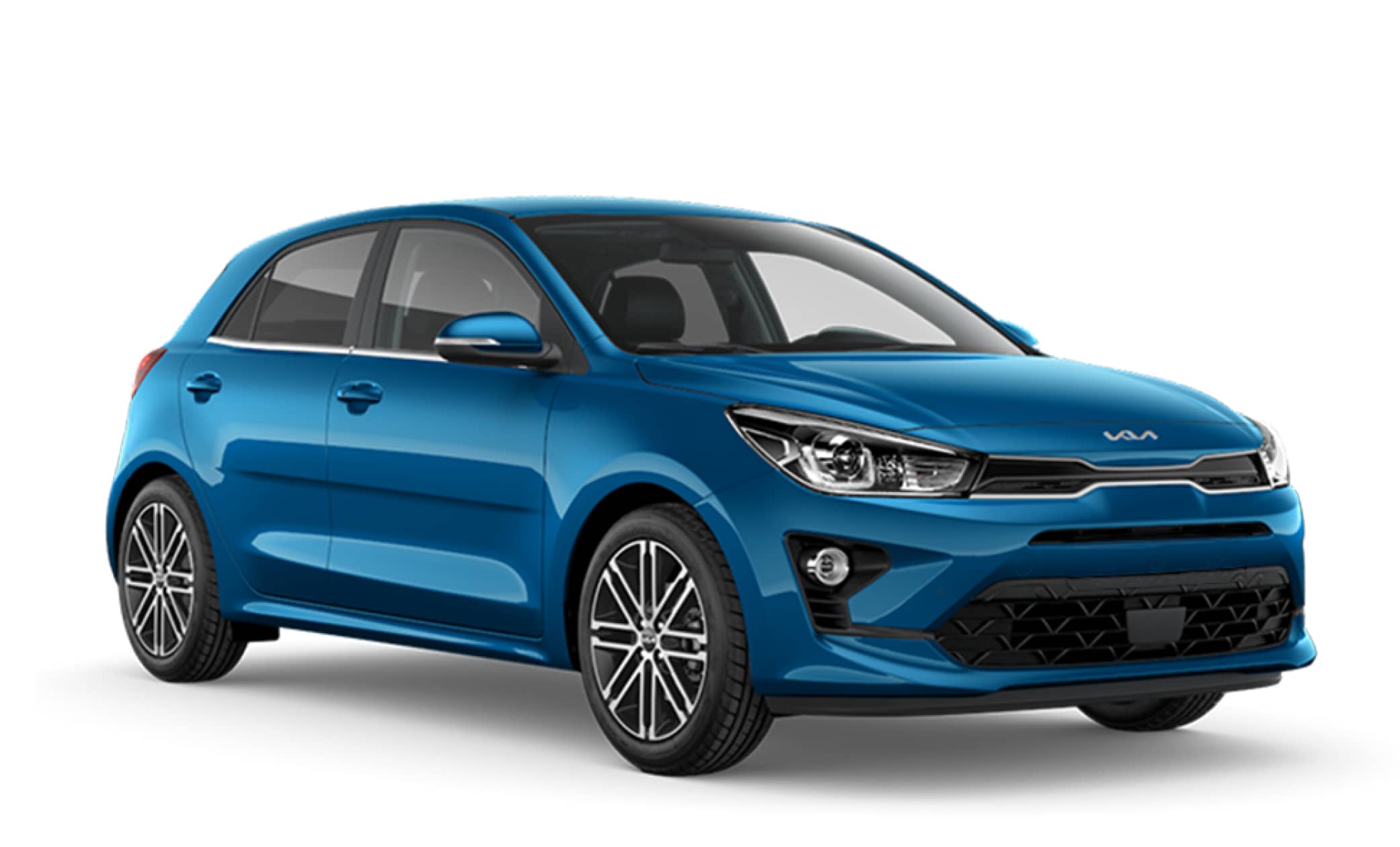
- Best for saving fuel - Compact models like the Toyota Aygo, Kia Rio, and Toyota Yaris use less fuel and cost less to run. These make the most sense for summer trips, paved roads, and routes like the Golden Circle or Ring Road
- When they work - Good weather, no F-roads, no need for extra clearance. You get from A to B without burning through your budget
- Middle ground - Cars like the Kia Cee’d or XCeed give you more space without jumping into heavy fuel use. Better for longer trips with luggage
Now the tradeoff.
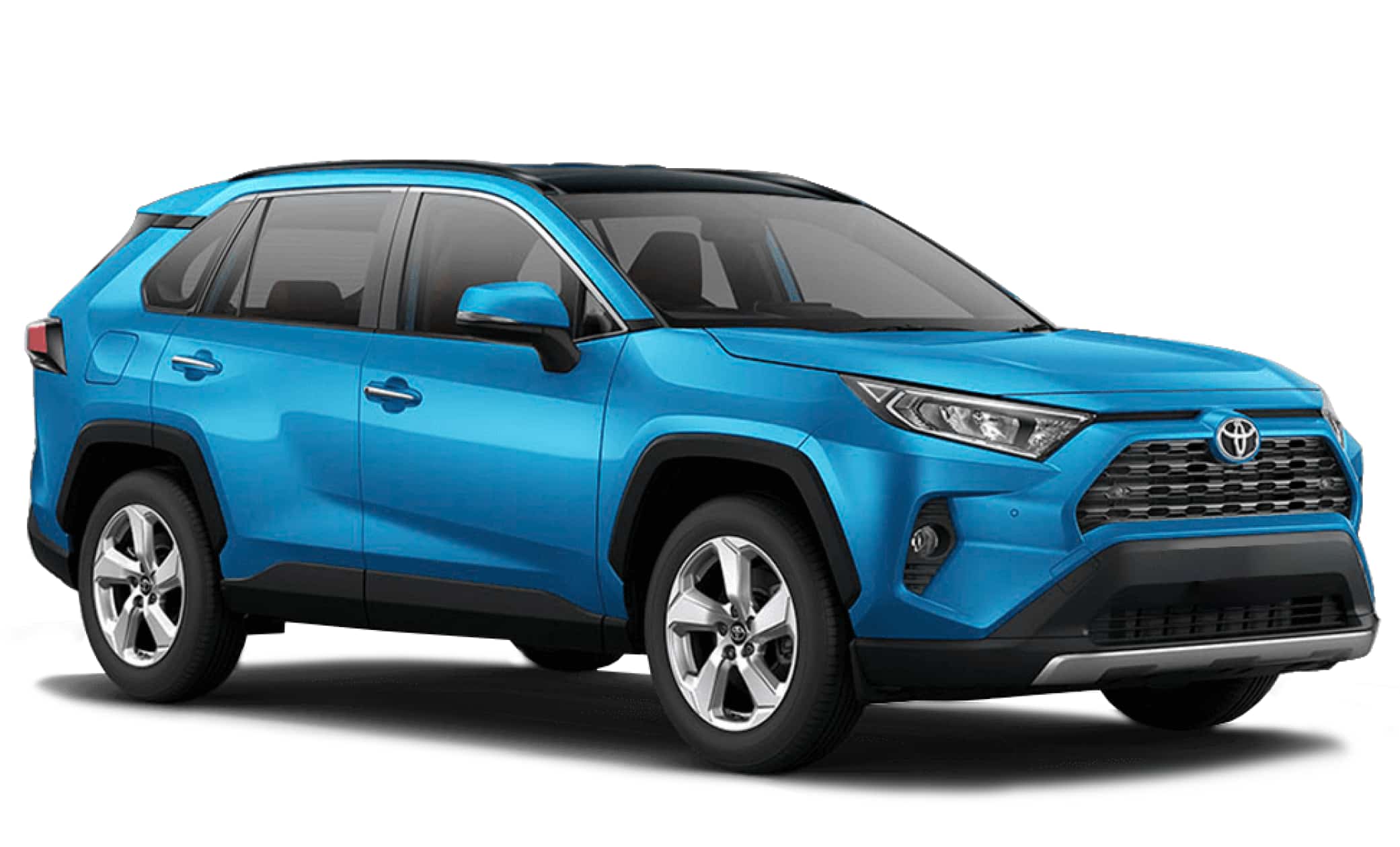
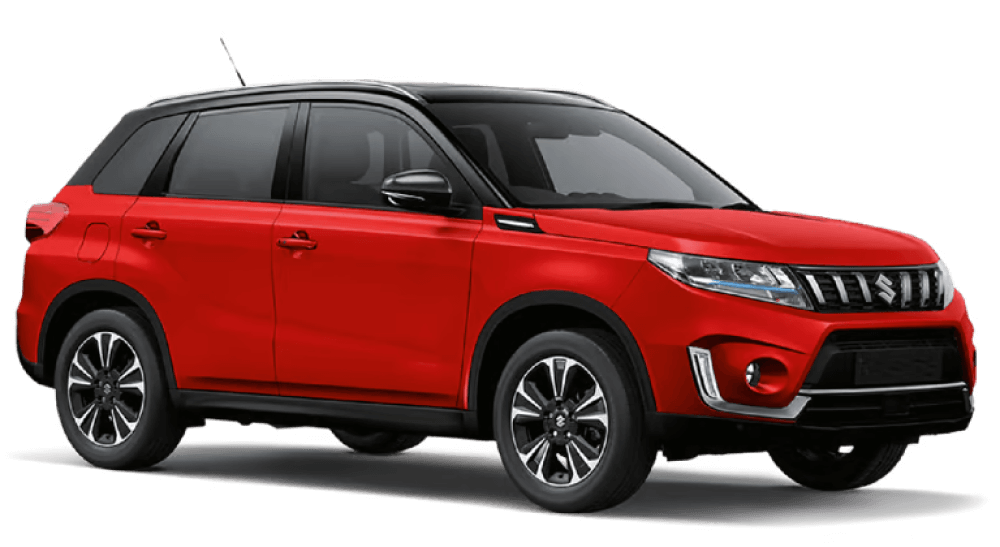
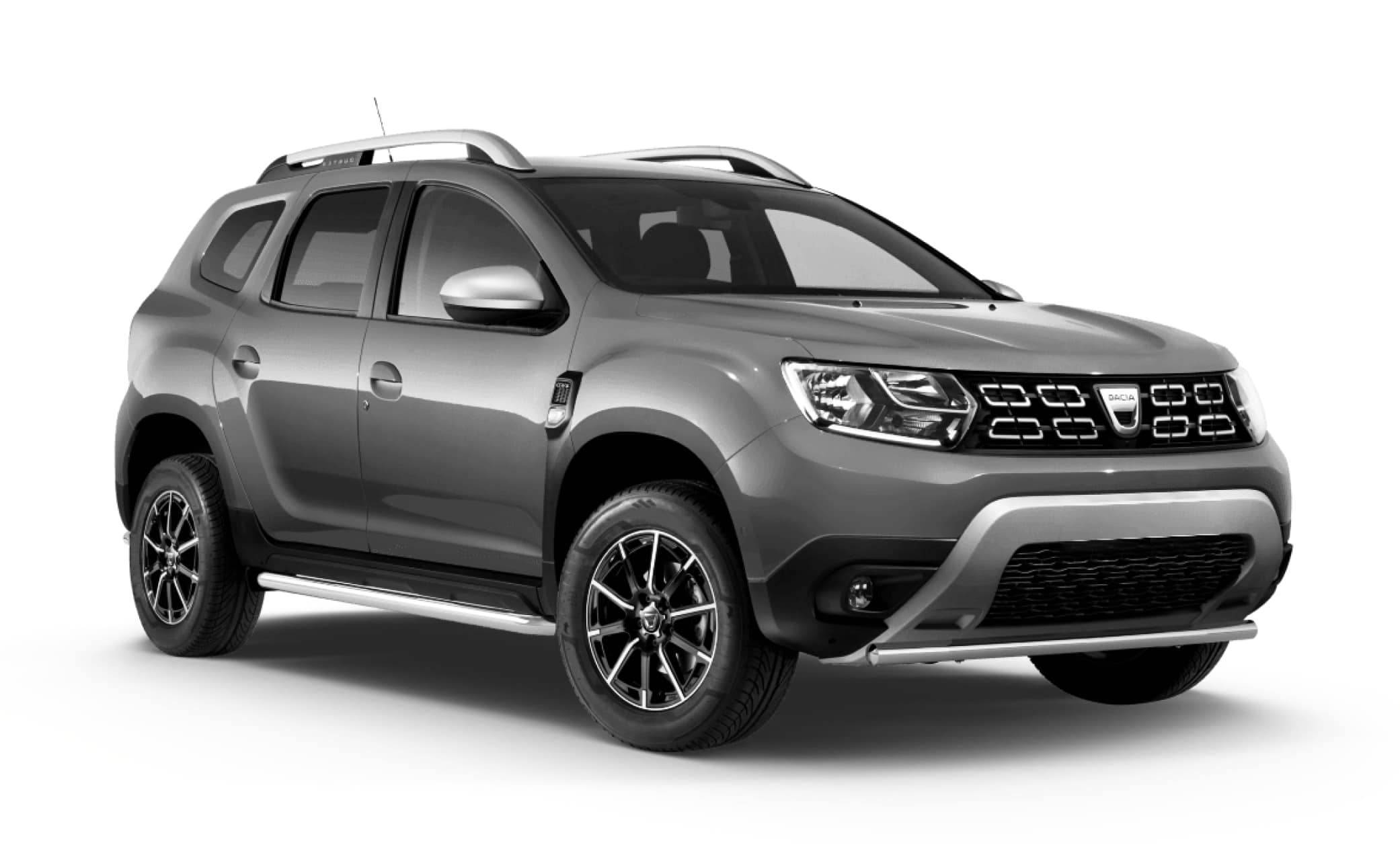
- 4x4 and SUVs - Dacia Duster, Suzuki Vitara, Land Cruiser. Necessary for Highlands, winter, rough roads. But they use more fuel.
How Much Is Gas in Iceland and What You Actually Pay
So, how much is gas in iceland? Enough that you’ll notice it, but not enough to ruin your trip if you plan properly. The mistake most people make is focusing only on fuel prices and ignoring everything else that adds up.
Distance, vehicle choice, and that daily road cost all play a role. Short trips feel expensive. Longer drives make more sense. If you understand that before you arrive, you’re already ahead. With Cars Iceland, you at least know what you’re dealing with upfront.